2023 Toyota Hilux Review: Price, Specs & Full Guide
Why the Hilux Still Sets the Bar for Work Trucks
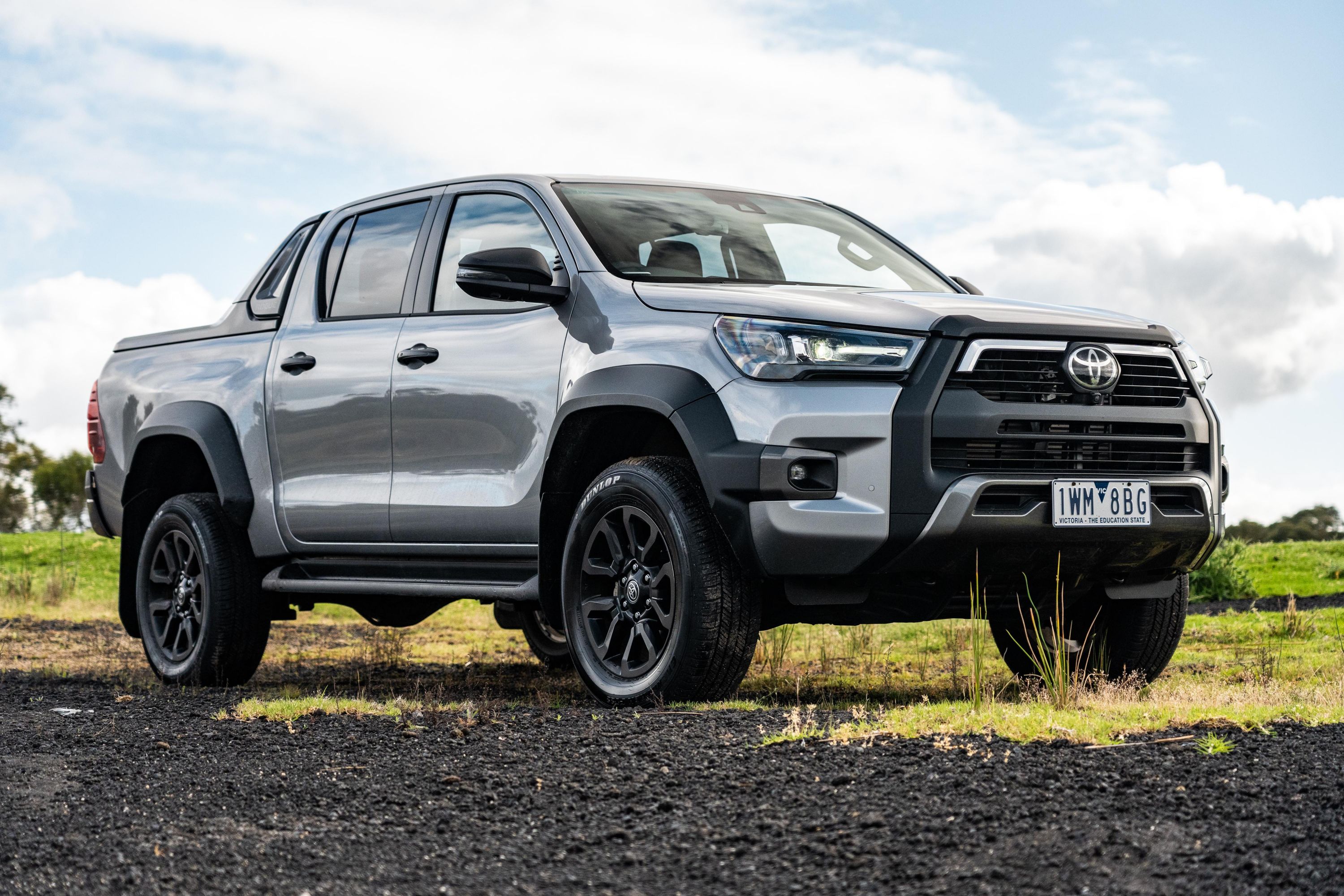
If you’ve ever watched a construction site or a weekend adventure crew, you’ve probably seen a Hilux hauling gear, climbing rocks, or simply cruising down a dusty road. That reputation didn’t appear overnight; Toyota has been polishing the formula for durability, resale value, and low‑maintenance engineering for decades. The 2023 edition carries forward that legacy while slipping in a few modern touches that keep it relevant against newer rivals.
2023 Toyota Hilux Price – What to Expect
The exact sticker price depends on market, trim level, and optional extras, but most regions see the base model start around $30,000 USD. Mid‑range trims, which add comfort and tech upgrades, typically land between $35,000 and $40,000. The top‑end TRD Pro or equivalent off‑road‑focused versions can climb toward the $45,000 mark, especially when bundled with premium accessories. Keep in mind that taxes, dealer fees, and local incentives can shift the final number up or down.
Key Engine and Performance Specs
Under the hood, Toyota offers a handful of diesel engines that balance power and efficiency. The most common configuration is a 2.7‑liter four‑cylinder turbo‑diesel delivering roughly 150 horsepower and 280 Nm of torque. For those who need a bit more grunt, the 2.8‑liter turbo‑diesel pushes close to 177 horsepower with 450 Nm, making hill climbs feel effortless. Both engines pair with a six‑speed manual as standard, while a six‑speed automatic is optional on higher trims.
- Transmission: 6‑speed manual (standard), 6‑speed automatic (optional).
- Drive layouts: Rear‑wheel drive is baseline; four‑wheel drive is available on most trims for serious off‑road work.
- Maximum payload: Approximately 1,200 kg, varying slightly by configuration.
- Towing capacity: Up to 3,500 kg when equipped with the factory tow package.
Trim Levels and Feature Packages
Toyota structures the Hilux lineup to cater to both fleet buyers and weekend explorers. In many markets the entry‑level SR focuses on rugged basics—steel wheels, manual transmission, and essential safety gear. The SR5 adds a touch of comfort: fabric seats, a 7‑inch touchscreen, and satellite radio. The flagship TRD Pro, meanwhile, is a purpose‑built off‑roader featuring a reinforced chassis, under‑body skid plates, and a specially tuned suspension.
- SR: Steel wheels, basic cloth upholstery, manual transmission.
- SR5: Alloy wheels, upgraded infotainment, optional automatic.
- TRD Pro: Off‑road suspension, front and rear locking differentials, premium interior.
Interior Comfort and Technology
Inside, the 2023 Hilux feels more refined than its predecessor. Even the base model offers a driver‑oriented dash with easy‑to‑reach controls. The SR5 and TRD Pro bring a larger 8‑inch touchscreen that supports Apple CarPlay and Android Auto, a six‑speaker audio system, and dual‑zone climate control. Seats are ergonomically shaped, and higher trims feature leather‑trimmed upholstery and heated front seats—nice touches for colder mornings on the job site.
Off‑Road Capability and Safety Gear
Four‑wheel drive versions come equipped with a low‑range transfer case, giving the Hilux a respectable crawl ratio for steep inclines. The TRD Pro adds a front‑mounted differential lock and a rear‑axle lock, turning challenging terrain into a manageable drive. Safety isn’t an afterthought: Toyota’s Safety Sense suite (available on most trims) bundles pre‑collision braking, lane‑keeping assist, adaptive cruise control, and blind‑spot monitoring. Side‑curtain airbags and a reinforced cabin structure round out the protection package.
Fuel Economy and Running Costs
Diesel variants generally sip fuel at about 8‑9 L/100 km (roughly 27‑30 mpg) on mixed driving, though real‑world numbers can vary with load and terrain. The smaller 2.7‑liter engine tends to be a touch more frugal, while the 2.8‑liter offers a bit more power at the cost of a few extra liters per hundred kilometres. Maintenance intervals remain generous—Toyota recommends service every 10,000 km or 12 months, whichever comes first—helping keep ownership costs predictable.
How the 2023 Model Stacks Up Against Competitors
When you line the Hilux up against rivals like the Ford Ranger, Chevrolet Colorado, or Nissan Navara, a few themes emerge. The Hilux still leads in resale value, often retaining 55‑60 % of its original price after five years. Its off‑road credentials are comparable to the Ranger’s Raptor‑trim, especially when you opt for the TRD Pro package. On the tech front, the newer infotainment system narrows the gap with the more gadget‑heavy Colorado, though some competitors offer larger screens as standard.
FAQ
- What engine options are available for the 2023 Hilux?
The 2023 lineup typically includes a 2.7‑liter turbo‑diesel (≈150 hp) and a 2.8‑liter turbo‑diesel (≈177 hp). Some markets also receive a 2.4‑liter diesel or a modest 2.0‑liter gasoline unit, though the diesel choices dominate global sales.
- How does the Hilux’s fuel consumption compare to the Ford Ranger?
Both trucks sit in the same ballpark, with the Hilux usually edging a little better—around 8‑9 L/100 km versus the Ranger’s 9‑10 L/100 km, depending on engine and drivetrain.
- Is the 2023 Hilux equipped with modern driver‑assist features?
Yes. Most trims now feature Toyota Safety Sense, which bundles pre‑collision braking, lane‑keeping assist, adaptive cruise control, and blind‑spot monitoring. Higher trims add rear‑cross‑traffic alert and parking‑assist cameras.
- Can I tow a caravan with the Hilux?
When fitted with the factory tow package, the Hilux can safely tow up to about 3,500 kg, making it suitable for most small to medium caravans.