A Simple Guide to Translating the Bulgarian Alphabet into English
Why the Bulgarian Alphabet Matters for English Speakers
Bulgarian uses a version of the Cyrillic script that looks foreign to most English readers. Knowing how each letter maps to familiar sounds can turn a confusing wall of characters into a readable text. Whether you’re decoding a street sign in Sofia or trying to pronounce a Bulgarian name, a clear transliteration roadmap saves time and avoids embarrassment.
From Cyrillic Roots to English Sounds
The Bulgarian alphabet consists of 30 letters, all derived from the original Cyrillic set created in the 9th‑century First Bulgarian Empire. Unlike Russian, Bulgarian dropped the hard sign (ъ) and added a few unique letters such as ѝ. The good news is that most letters correspond closely to English phonetics, though a handful require extra attention.
Vowels at a Glance
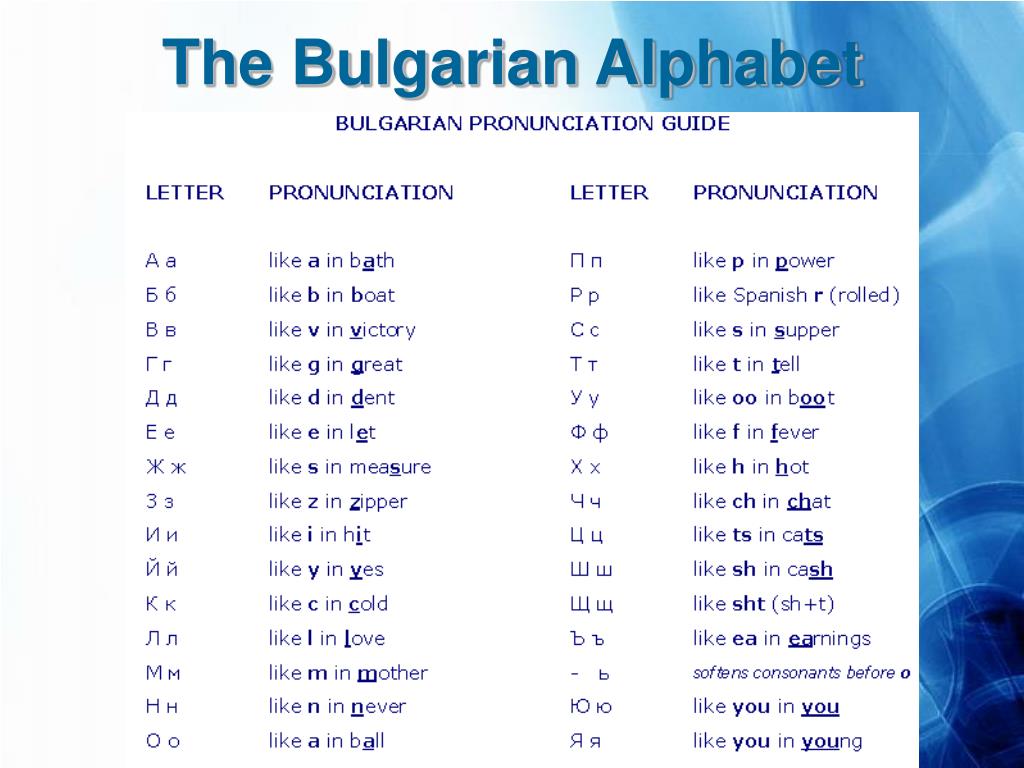
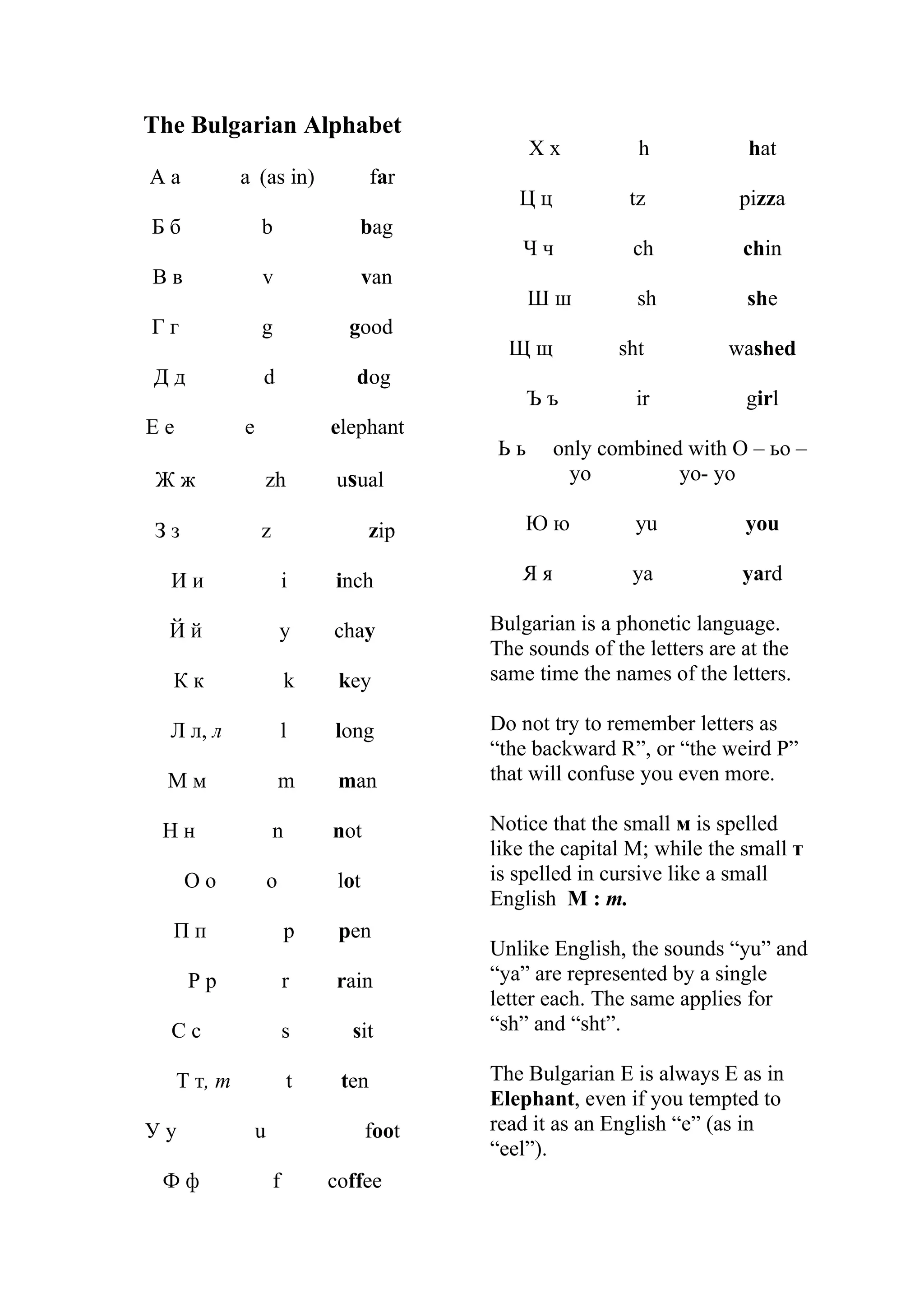
- А а – sounds like “a” in “father”.
- Е е – similar to “e” in “bed”.
- И и – matches “ee” in “see”.
- О о – like “o” in “port”.
- У у – close to “oo” in “food”.
- Ъ ъ – a short “uh” sound, unique to Bulgarian; think of the “a” in “sofa”.
- Ю ю – pronounced “yu” as in “yule”.
- Я я – sounds “ya” like “yard”.
Consonants You’ll Recognize
- Б б – “b” as in “boat”.
- В в – “v” as in “vine”.
- Г г – “g” as in “go”.
- Д д – “d” as in “dog”.
- К к – “k” as in “kite”.
- Л л – “l” as in “lamp”.
- М м – “m” as in “map”.
- Н н – “n” as in “note”.
- П п – “p” as in “pen”.
- Р р – rolled “r”, similar to Spanish “rr”.
- С с – “s” as in “sun”.
- Т т – “t” as in “top”.
- Ф ф – “f” as in “far”.
- Х х – a hard “h”, like the “ch” in German “Bach”.
- Ц ц – “ts” as in “cats”.
- Ч ч – “ch” as in “church”.
- Ш ш – “sh” as in “ship”.
- Щ щ – a softer “sh” followed by “t”, roughly “sht”.
Transliteration Rules Worth Remembering
When converting Bulgarian text to English, the most widely accepted system is the official Bulgarian State Standard (BGN/PCGN). It aims for a one‑to‑one relationship whenever possible, preserving pronunciation without over‑complicating spelling.
Key guidelines include:
- Keep diacritics out of the English version; “ъ” becomes “a” or “u” depending on context.
- Use “zh” for Ж ж and “sh” for Ш ш.
- Represent Ц ц with “ts” rather than a single “c”.
- Combine “sht” for Щ щ to avoid confusion with “sh”.
- Preserve the soft sign Ь ь as a subtle “’” or ignore it, because English lacks an exact counterpart.
Common Mistakes and How to Dodge Them
Even seasoned language learners trip over a few pitfalls. One frequent error is assuming that every Cyrillic “Б” is a simple “b”. In loanwords, “Б” can sometimes sound closer to “v” (think “България” → “Bulgaria”). Another trap involves the letter Й й, which looks like an “I” but sounds like the English “y” in “yes”. Ignoring that distinction can change a word’s meaning entirely.
Also, don’t let visual similarity mislead you. The Cyrillic “Н” resembles the Latin “H”, yet it sounds like the English “n”. Similarly, “Р” looks like “P” but is pronounced “r”. A quick mental checklist of the most deceptive pairs keeps you from misreading signs or names.
Practical Tips for Everyday Use
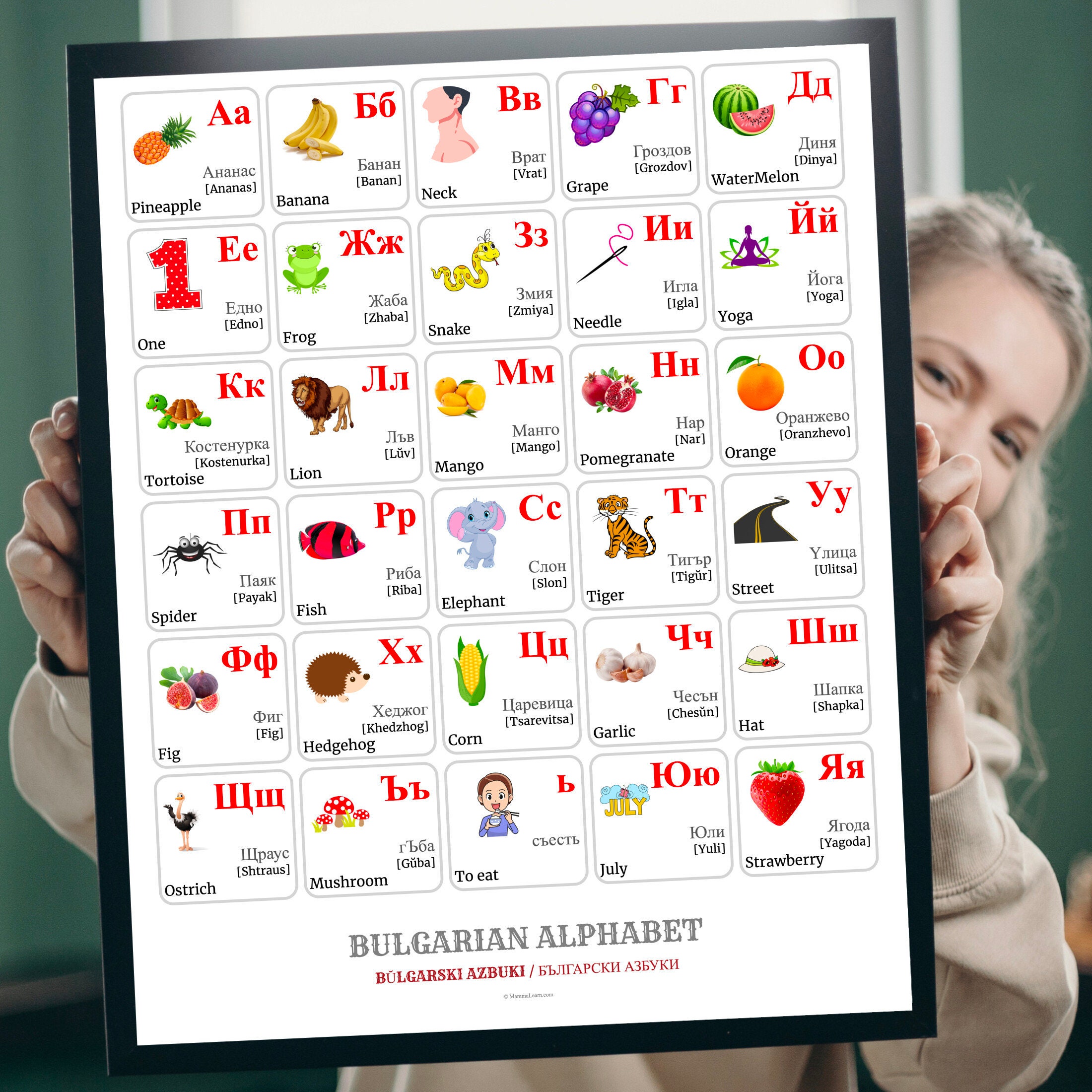
Start by memorizing the alphabet in small chunks—five letters at a time works well. Pair each character with a familiar English word that shares its sound; the mental link reinforces recall. Flashcards, whether paper or app‑based, provide spaced repetition without feeling like a chore.
When you encounter a new Bulgarian word, write it down in Cyrillic, then apply the transliteration rules step by step. Reading the transliterated version out loud helps you gauge whether the pronunciation feels natural. If it feels off, double‑check the vowel “ъ” or the soft sign, as those often cause the most distortion.
Where to Find Reliable Resources
Several online tools respect the official Bulgarian‑to‑English standards. Government‑run language portals and university language departments usually host downloadable charts. For quick checks, reputable dictionaries such as the Bulgarian‑English section of the “Oxford Languages” suite provide both transliteration and pronunciation audio.
For immersive practice, watch Bulgarian news clips with subtitles. The visual context anchors the letters to real‑world sounds, making the abstract script feel concrete. Even a few minutes a day accelerates fluency, especially when you actively note the Cyrillic spelling of words you already know in English.
FAQ
How many letters are in the Bulgarian alphabet?
The modern Bulgarian alphabet contains 30 letters, all based on the Cyrillic script.
Is Bulgarian pronunciation similar to Russian?
There are overlaps, but Bulgarian lacks some Russian sounds (like the hard sign) and has unique vowels such as “ъ”. Listening to native speakers is the best way to notice the differences.
Can I use Google Translate to transliterate Bulgarian?
Google Translate will give you a translation, but its transliteration may not follow the official standards. For academic or official purposes, stick to the BGN/PCGN system.
Do Bulgarian names always follow the same transliteration rules?
Most personal names adhere to the standard rules, yet some families prefer traditional spellings that deviate slightly—for example, “Йован” might appear as “Yovan” or “Jovan”. When in doubt, ask the person how they spell it in English.