Audit Coursera Courses for Free: Your Quick Guide
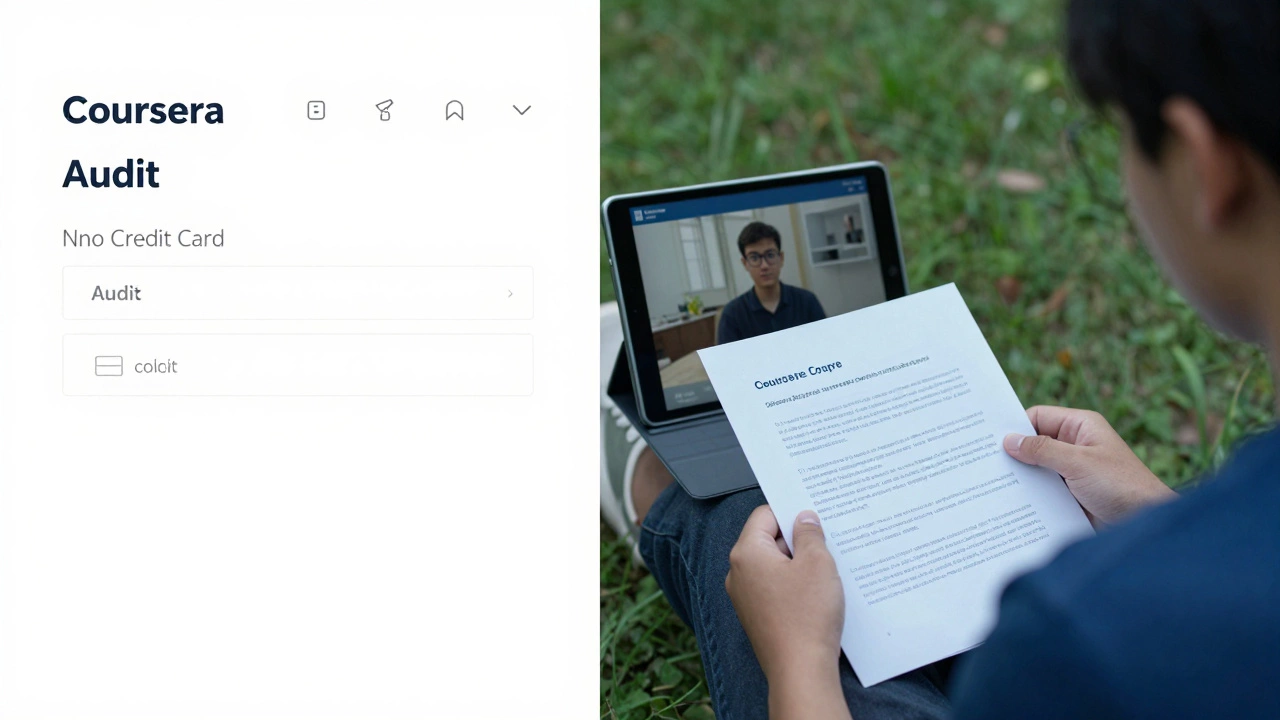
If you’re looking to expand your skill set without opening a wallet, Coursera audit access courses for free might be the ticket. Coursera’s audit program lets you follow most course materials, lectures, and discussion forums at no charge, while reserving a small fee for certificates and graded assignments. This article breaks down how the audit system works, why it’s beneficial, and the best ways to make the most of it.
What Exactly Is Auditing on Coursera?
When you enroll in a course, you can choose between “Audit” and “Verified Certificate.” Auditing gives you open‑access to videos, readings, and community discussions. You’ll miss out on:
- Graded assignments that unlock after a payment.
- Certificates of completion that prove you finished the course.
- Some practice quizzes that require a fee to access.
But for pure learning, auditing is a powerful, zero‑cost option. It’s especially useful if you want to test the material before investing in a certificate.
How to Audit a Course Step by Step
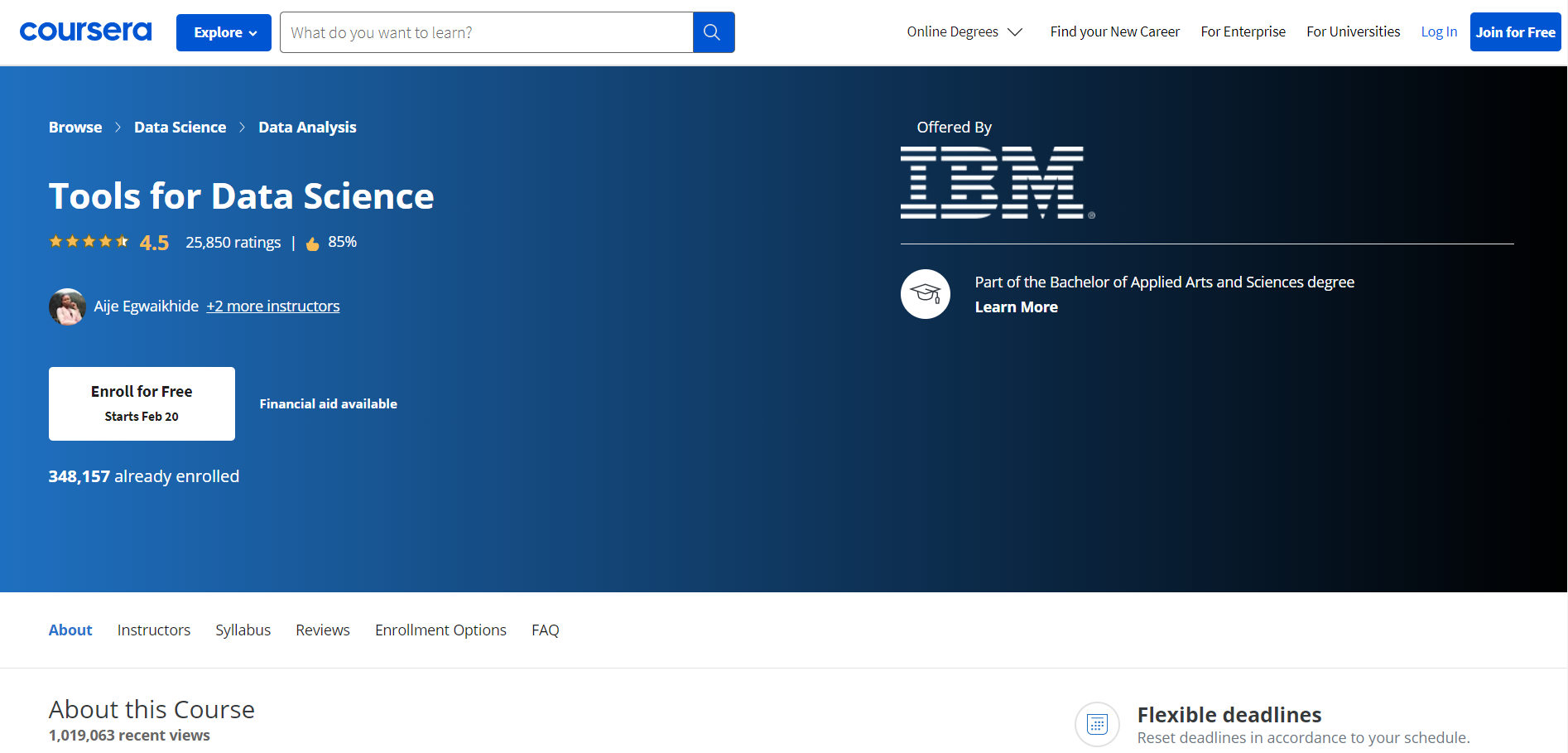
- Navigate to the Course Page: Find the course you’re interested in on Coursera’s catalog.
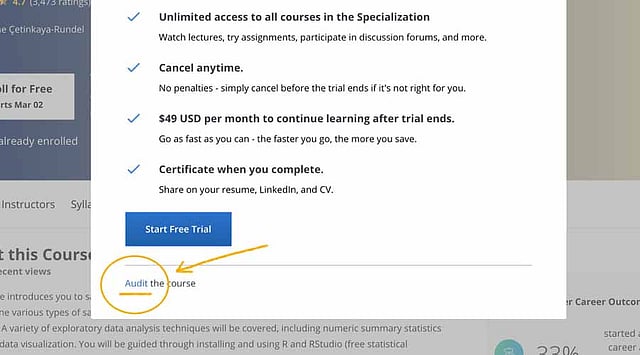
- Select “Enroll for Free”: Click the button, and you’ll be prompted to choose a track.
- Choose “Audit”: A dropdown will list “Audit” as an option. Pick it, then confirm.
- Start Learning: You now have full access to lectures, PDFs, and discussion boards. Some modules may be locked behind the paywall, but the core content remains free.
In rare cases, courses may not offer an audit track. In those situations, you’ll see the “Enroll” button only; you’ll have to pay upfront to gain access to all resources.
Why Auditing Is a Smart Move
1. Zero Upfront Cost – The biggest advantage is that you can test a course’s quality without spending money. If it’s not a fit, you’re not locked into a subscription.
2. Flexibility – You can pause and resume as you please. Auditing removes the pressure of deadlines associated with paid certificates.
3. Skill Discovery – You can explore a range of subjects – from machine learning to digital marketing – without a financial commitment.
4. Portfolio Building – Even without a certificate, you can mention that you completed coursework in your résumé or LinkedIn profile. Auditing shows initiative.
Common Misconceptions About Auditing
- “I’ll still get a certificate for free.” – No, certificates require a fee unless the instructor offers a free audit version with a badge.
- “All materials are free.” – Some courses have premium assignments or supplemental videos locked behind the paid tier.
- “I can’t access the forums.” – Auditing usually includes full forum access, which is where much peer learning happens.
How to Leverage Auditing for Career Growth
Even without a certificate, auditing can still boost your employability:
- Skill Verification – Mastering key concepts, especially in tech and data science, can be demonstrated during interviews.
- Portfolio Projects – Many courses culminate in a project you can showcase, regardless of the audit status.
- Networking – Engaging in discussion forums introduces you to industry professionals and fellow learners.
When you’re ready to present your learning, frame it as a self‑directed study. Employers appreciate initiative, especially when the topics align with job responsibilities.
Alternatives to Coursera Auditing
While Coursera offers robust auditing, you may want to explore complementary options:
- edX MicroMasters and MicroBachelors – Some courses allow free auditing but charge for certificates.
- Udacity Nanodegree Trials – Limited free access to introductory content.
- MIT OpenCourseWare – Complete free materials for a wide array of subjects.
- FutureLearn Free Trials – Many courses are free for the duration of the module, with optional certificates.
Practical Tips for Auditors
- Set Clear Goals – Define what you want to achieve (e.g., mastering a concept, building a portfolio piece).
- Track Progress – Use the built‑in progress bar to stay on schedule.
- Engage Actively – Post questions in the forum; collaboration often accelerates learning.
- Leverage Supplementary Resources – Many courses link to external readings; follow them for deeper insight.
- Convert to Paid When Needed – If you finish a course and need a certificate, you can pay for it later. The audit status remains unchanged.
FAQ: Quick Answers for Coursera Auditors
Can I audit multiple courses at the same time?
Yes, Coursera allows you to audit any number of courses concurrently. However, juggling several courses might dilute focus.
Will my audit progress be saved if I log out?
All progress is stored in your Coursera account, so you can return to the same point later.
Do audited courses appear on my LinkedIn profile?
Coursera will not automatically add audited courses to LinkedIn. You’ll need to manually add them as a learning experience.
Is there a limit to how long I can audit a course?
Generally, you can audit for the duration of the course. If the instructor removes the audit option, you’ll need to enroll in the paid track.
By understanding the audit pathway and using these strategies, you can access a wealth of knowledge on Coursera without spending a dime. Whether you’re exploring new fields, prepping for a career shift, or simply satisfying curiosity, auditing gives you a low‑risk gateway to high‑value learning.