Building an Ecommerce App with FastAPI: Top GitHub Projects
If you’ve been scouting for a modern, Python‑powered backend to power an online store, the combination of FastAPI and an open‑source ecommerce starter on GitHub is hard to ignore. FastAPI’s speed, automatic OpenAPI docs, and type‑safety make it a natural fit for micro‑services or full‑stack applications, while a well‑maintained repo saves you from reinventing the checkout wheel. Below, we walk through what to look for in a FastAPI ecommerce project, highlight a few standout repositories, and share practical tips for cloning, customizing, and deploying your own shop.
Why FastAPI Makes Sense for Ecommerce
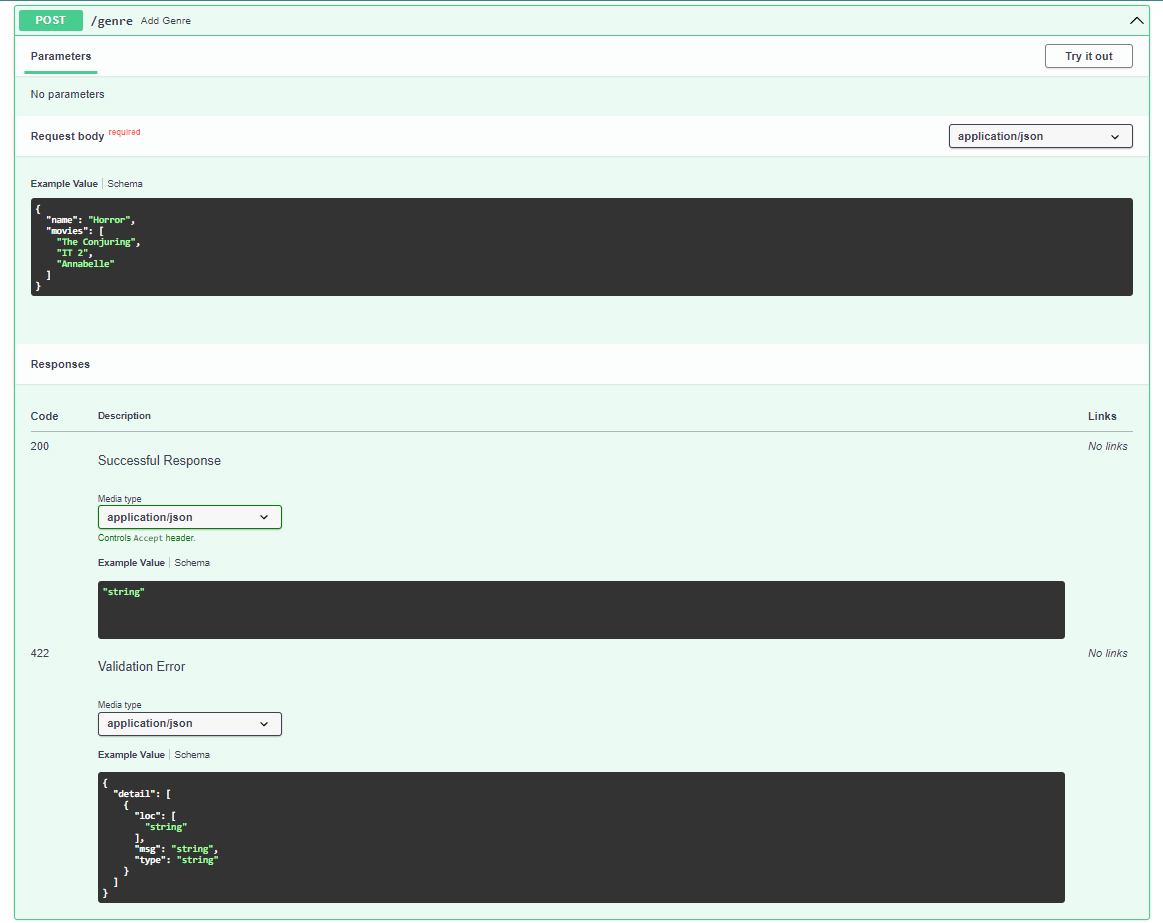
Traditional Django or Flask setups still dominate the Python ecommerce scene, but FastAPI brings several advantages that matter when you need to handle traffic spikes during sales events. First, its async‑ready architecture lets you serve many requests concurrently without the overhead of threading, which translates to lower latency at checkout. Second, the built‑in data validation via Pydantic reduces bugs in order payloads, keeping inventory and payment data reliable. Finally, the autogenerated Swagger UI means your API consumers—whether a React front‑end, a mobile app, or a third‑party partner—can explore endpoints without extra documentation work.
Key Features to Expect from a Good FastAPI Ecommerce Project on GitHub
- Modular design. Separate apps for products, cart, orders, and authentication make it easy to replace or extend components.
- Database flexibility. Support for SQLAlchemy (PostgreSQL, MySQL) and optionally an async ORM like Tortoise.
- Payment integration. Ready‑made adapters for Stripe, PayPal, or other gateways, preferably abstracted behind a service layer.
- Testing suite. Unit and integration tests using Pytest, ensuring that core flows (add‑to‑cart, checkout, order confirmation) stay stable.
- Docker support. A Dockerfile and docker‑compose setup for quick local development and production‑grade deployment.
How to Evaluate a Repository Before You Fork
Not every repo labeled “FastAPI ecommerce” lives up to the hype. Start by checking the commit history: regular updates in the past six months suggest the maintainer is still fixing bugs and adapting to new FastAPI releases. Look at the issue tracker—are maintainers responding promptly, and are critical bugs being resolved? The presence of a comprehensive README with setup instructions, environment variables, and API documentation is a good sign that the project is approachable for newcomers.
Licensing matters, too. Most open‑source ecommerce starters use MIT or Apache 2.0, which let you modify and commercialize the code without much hassle. Avoid projects that lack a clear license; they can create legal headaches if you later decide to sell products.
Three Notable FastAPI Ecommerce Repos on GitHub
1. fastapi-ecommerce by tiangolo
This repository, maintained by the creator of FastAPI, showcases a clean architecture with Pydantic schemas, SQLAlchemy models, and JWT‑based authentication. It includes a simple admin panel built with Jinja2 templates, so you can manage products without a separate front‑end. The project ships with Docker Compose files that spin up PostgreSQL, Redis (for caching), and a mail server for order confirmations. While the payment integration is limited to Stripe’s test mode, adding PayPal is straightforward thanks to the abstracted payment_service.py.
2. fastapi-shop by mattseymour
A more feature‑rich starter, fastapi-shop leans heavily on async tools: it uses Tortoise ORM, async‑pg for PostgreSQL, and includes a Celery worker (via dramatiq) for background tasks like order email dispatch. The repo’s standout element is its GraphQL endpoint powered by Strawberry, allowing flexible queries for mobile clients. The documentation walks you through setting up a React front‑end that consumes the API, making it a near‑complete full‑stack example.
3. ecom-fastapi by codecraft
If you prefer a minimalist approach, ecom-fastapi strips away optional bells and whistles to focus on core commerce flows. The project uses SQLite for quick prototyping, but migration scripts are provided for PostgreSQL. It shines in its test coverage: over 80 % of the codebase is exercised by Pytest, and CI pipelines run on GitHub Actions for every pull request. Though the UI is omitted, the API is fully documented with FastAPI’s built‑in OpenAPI generator.
Step‑by‑Step: Getting a FastAPI Ecommerce Project Running Locally
Below is a generic workflow that works for most of the repositories mentioned above.
- Clone the repo:
git clone https://github.com/username/repo.git. - Copy the example environment file (
.env.example) to.envand fill in values forDATABASE_URL,SECRET_KEY, and any payment gateway keys. - If Docker is available, simply run
docker compose up --build. This pulls the database, starts the FastAPI server, and sets up any required services. - Otherwise, create a virtual environment, install dependencies with
pip install -r requirements.txt, and run migrations (oftenalembic upgrade head). - Launch the API:
uvicorn app.main:app --reload. Swagger UI should be reachable athttp://localhost:8000/docs.
From there, you can test the checkout flow using tools like Postman or the interactive docs. When you’re ready for production, consider deploying to a cloud provider that supports containers—AWS Fargate, Google Cloud Run, or Azure Container Apps all work well with a FastAPI Docker image.
Customizing the Storefront for Your Brand
Even the best starter won’t match your visual identity out of the box. Since the API layer is separate from the front‑end, you have the freedom to pair it with any UI framework—React, Vue, Svelte, or even a static site generator like Astro. Keep these pointers in mind:
- Product schema. Extend the Pydantic model to include fields like
brand,size_chart, orSEO metadatawithout breaking existing endpoints. - Tax and shipping. Insert middleware that calculates tax based on the customer’s location and adds shipping rates before the order is persisted.
- Webhooks. Hook into the order‑created event to trigger inventory updates in external ERP systems.
- Search. Replace a simple SQL
LIKEquery with Elasticsearch or Meilisearch for faster, faceted product search.
Maintaining Security and Performance
Running an online store means handling personal data and payments, so security can’t be an afterthought. Enable HTTPS in production, store secrets in a vault or environment manager, and enforce rate limiting on sensitive endpoints (e.g., login, checkout). On the performance side, enable response caching for product listings using Redis, and consider background tasks for heavy operations like generating PDF invoices.
FAQ
What should I look for in the license of a FastAPI ecommerce project on GitHub?
Prefer permissive licenses such as MIT, Apache 2.0, or BSD. They allow commercial use, modification, and redistribution without the “copyleft” restrictions found in GPL‑licensed projects.
Can I replace the database in these starter projects with something other than PostgreSQL?
Most repos abstract the database layer via SQLAlchemy or Tortoise, so swapping to MySQL, SQLite, or even a cloud‑native solution like Amazon Aurora is possible—just adjust the connection string and run the appropriate migrations.
Is it safe to use the Stripe test integration in production?
No. The test keys are meant for development only. Before going live, replace them with your live Stripe credentials, enable webhook signing verification, and run a few real‑world test transactions in a sandbox environment.
How do I keep the API documentation up to date as I add new endpoints?
FastAPI automatically reflects changes in route definitions and Pydantic models in the OpenAPI spec. Ensure you add proper type annotations and response models; the Swagger UI will update without extra effort.