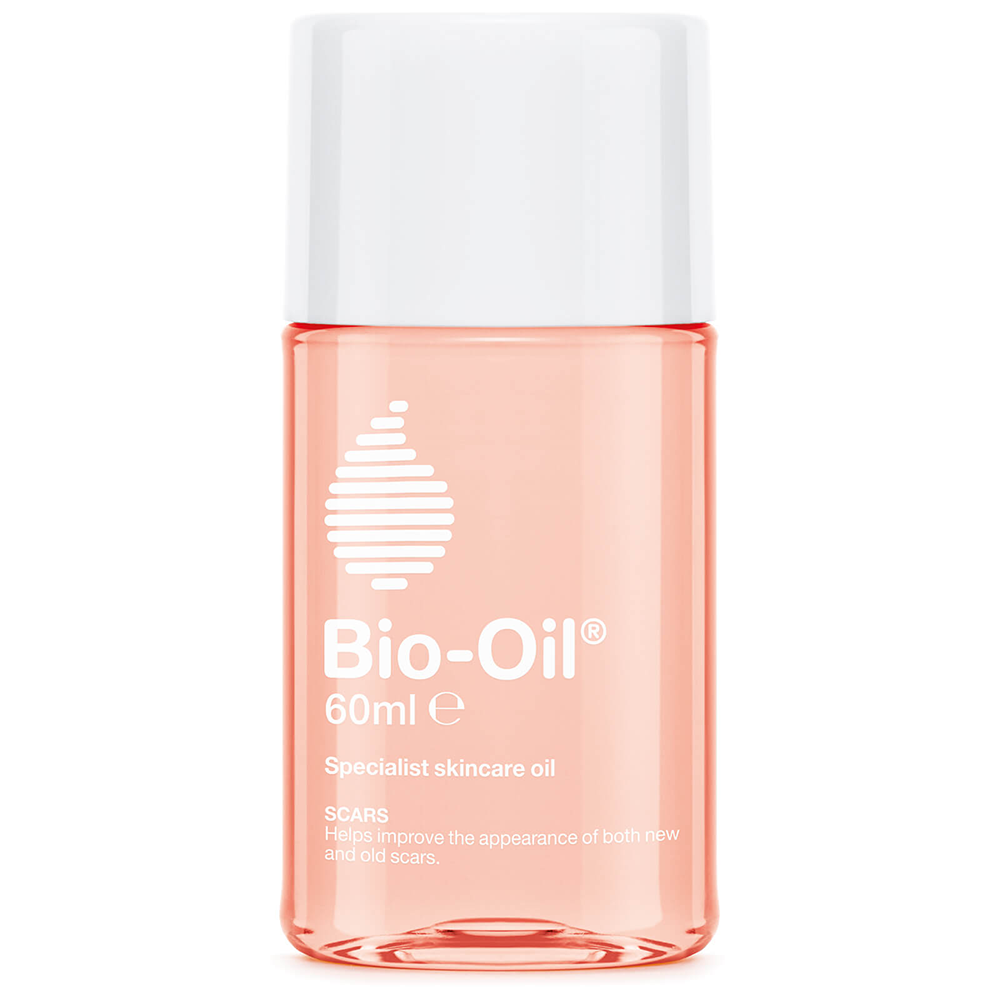
Can BioOil Really Boost Hair Regrowth? Evidence Explained
When you spot a thinning patch or notice your scalp shedding more than usual, the urge to find a quick fix can be overwhelming. BioOil, long marketed for scar and stretch‑mark treatment, has recently been touted as a miracle solution for hair regrowth. The question on everyone’s mind is simple: does BioOil for hair regrowth actually work, or is it just another trendy claim?
What Is BioOil and How Is It Supposed to Work for Hair Regrowth?
BioOil is a blend of plant‑based oils, vitamins, and antioxidants, originally designed to improve the appearance of uneven skin tone. The formulation includes mineral oil, petrolatum, and a mixture of botanical extracts such as lavender, rosemary, and chamomile. Proponents argue that these ingredients can stimulate the scalp, improve circulation, and nourish follicles, thereby encouraging new growth.
Key Ingredients and Their Potential Hair Benefits
- Mineral Oil & Petrolatum – Create a barrier that locks in moisture, reducing dryness that can exacerbate breakage.
- Lavender Oil – Some small studies suggest it may have antimicrobial properties and could promote hair follicle health.
- Rosemary Extract – Widely studied for its ability to improve scalp blood flow, a factor linked to hair growth.
- Vitamin E – An antioxidant that protects cells from oxidative stress, a known contributor to hair loss.
While each component has a plausible role, the synergy needed to trigger noticeable regrowth remains largely theoretical.
What the Science Says
Rigorous, peer‑reviewed research on BioOil specifically for hair regrowth is scarce. The bulk of available evidence focuses on individual ingredients:
- Rosemary oil has been compared to minoxidil in a few small trials, showing modest improvements in hair density after six months.
- Lavender oil demonstrated increased follicle counts in animal models, but human data are limited.
- Vitamin E supplementation has mixed results; some studies report reduced hair loss, while others find no significant effect.
Crucially, no randomized controlled trial has examined the full BioOil formulation on a population with androgenic alopecia or other common forms of hair loss. Without such data, any claim of “miracle regrowth” remains unproven.
Real‑World Experiences: What Users Are Reporting
Online forums and product reviews paint a mixed picture. A handful of users swear by the oil, noting softer hair and less breakage after several weeks of consistent use. Others report no change beyond improved scalp moisture. Anecdotal success stories often involve combining BioOil with other treatments—like minoxidil or low‑level laser therapy—which makes it hard to isolate the oil’s true impact.
Safety, Side Effects, and Who Should Avoid It
BioOil is generally regarded as safe for external use, but there are a few considerations:
- Comedogenic Potential – The heavy mineral oil base can clog pores for some individuals, possibly leading to scalp acne.
- Allergic Reactions – Essential oils such as lavender and rosemary may cause irritation in sensitive skin.
- Pregnancy & Breastfeeding – While no strong evidence suggests harm, many clinicians advise caution with concentrated essential oils.
If you have a history of eczema, psoriasis, or seborrheic dermatitis, patch‑testing a small amount on the forearm before full application is a prudent step.
How to Use BioOil If You Decide to Try It
Should you choose to incorporate BioOil into your hair‑care routine, follow these practical guidelines:
- Apply a few drops to a clean, towel‑dry scalp rather than soaking wet hair; this helps the product penetrate without diluting.
- Massage gently for 2–3 minutes to stimulate circulation.
- Use it once nightly for at least three months before judging effectiveness; hair cycles are slow, and premature conclusions are common.
- Combine with a balanced diet rich in protein, iron, and biotin—nutrition remains a cornerstone of healthy hair.
Is BioOil Worth the Investment?
From a cost perspective, BioOil sits in the mid‑range of specialty hair products. Compared to clinically proven options like minoxidil or finasteride, its price is comparable, but the evidence backing its efficacy is far weaker. If you’re already using a medically endorsed treatment, BioOil might serve as a supplemental moisturizer rather than a primary solution.
Bottom Line
BioOil offers a pleasant scent, decent moisturizing qualities, and a handful of ingredients that have shown promise in isolated studies. However, the lack of robust clinical trials on the complete product means that any claims of dramatic hair regrowth should be approached skeptically. For those seeking a gentle, low‑risk addition to a broader hair‑loss strategy, it can be tried with modest expectations. For anyone looking for a proven, stand‑alone remedy, proven pharmaceuticals or prescription therapies remain the more reliable choice.
Frequently Asked Questions
Can BioOil replace minoxidil for hair loss?
No. While BioOil may improve scalp moisture, it has not been shown to match the hair‑growth results of minoxidil in controlled studies.
How long does it typically take to see any benefit?
Most users report noticeable changes in scalp feel after 2–4 weeks, but visible hair‑density improvements, if they occur, usually take at least three months of consistent use.
Is BioOil safe for children?
The product is not specifically formulated for children’s scalp, and essential oils can be irritating. It’s best to consult a pediatrician before use.
Can I use BioOil with other hair‑care products?
Yes, but apply BioOil after washing and before heavier styling products to avoid diluting its moisturizing effect.