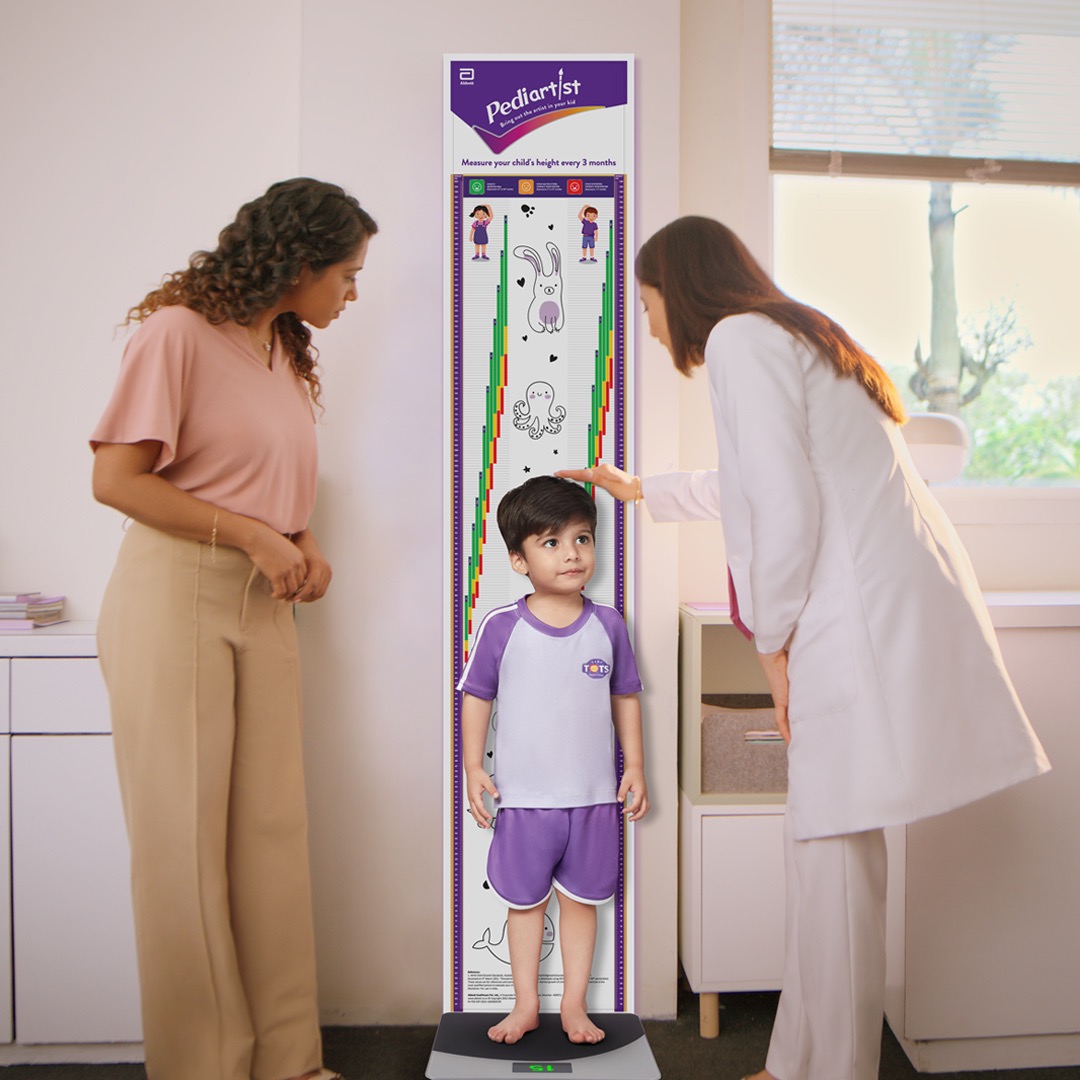
Can Pediasure Boost Your Child’s Height? The Truth
Understanding the Claim: Pediasure for Height Growth
Parents often wonder whether a nutritional supplement like Pediasure can give their kids a literal leg‑up in the height‑department. The marketing message suggests that the shake “supports healthy growth,” but what does that mean in practice? In the first few weeks of life, a child’s stature is primarily a product of genetics and hormonal signals, with nutrition playing a supportive, not decisive, role. Still, if a youngster is a picky eater or falls short on calories, a well‑balanced formula might help keep growth on track.
How Pediasure Is Supposed to Support Height Growth
Pediasure’s formulation is built around a blend of protein, calories, and micronutrients that research links to bone health and overall development. Protein supplies the building blocks for muscle and tissue, while calcium and vitamin D are essential for bone mineralization. The product also includes zinc and magnesium, minerals that assist in enzymatic processes related to growth. In theory, giving a child a consistent source of these nutrients could prevent deficiencies that might otherwise stunt growth.
What’s Inside Pediasure? Nutrients That Matter
- Protein – roughly 10 g per 8‑oz serving, sourced from milk and soy, to support tissue repair.
- Calcium – about 300 mg, a key component of bone matrix.
- Vitamin D – 400 IU, which helps the body absorb calcium efficiently.
- Iron – 4 mg, needed for oxygen transport and energy production.
- Zinc – 3 mg, a trace element involved in growth‑related hormone activity.
These amounts generally meet a portion of the Recommended Dietary Allowance (RDA) for children aged 1‑10, but they are not dramatically higher than what a balanced diet can provide.
Real‑World Evidence and Limitations
Clinical studies on Pediasure tend to focus on weight gain in undernourished children rather than linear height increase. A 2015 review of pediatric nutritional supplements noted that while formula supplementation can improve weight trajectories, the impact on stature is modest and often indistinguishable from normal growth patterns when overall diet is adequate. In other words, Pediasure can help a child catch up if they’re missing calories, but it doesn’t magically add extra inches.
Moreover, growth spurts are largely timed by the endocrine system—particularly growth hormone and thyroid hormones. No peer‑reviewed research shows that Pediasure stimulates these hormones beyond what the body would naturally produce. Parents should view the shake as a safety net, not a growth accelerator.
When Pediasure Might Be Worth a Try
If your child consistently refuses solid foods, has a medical condition that limits nutrient absorption, or is under the weight percentile for their age, a pediatrician may recommend Pediasure as part of a broader nutrition plan. In those scenarios, the extra protein, calories, and micronutrients can fill gaps that might otherwise compromise growth.
Conversely, for a child who eats a varied diet and maintains a healthy weight, adding a daily shake could lead to unnecessary extra calories, potentially contributing to weight gain rather than height. It’s also worth noting that sugar content, though modest, can add up if the product is consumed alongside other sweetened drinks.
Practical Tips for Using Pediasure Wisely
- Consult your pediatrician before making Pediasure a regular part of your child’s diet.
- Use the shake as a supplement, not a replacement for meals.
- Monitor portion sizes; an 8‑oz serving provides roughly 250 kcal.
- Combine the shake with activities that encourage bone health, like outdoor play for vitamin D synthesis.
- Track growth charts regularly to see if the child’s height percentile remains stable.
Bottom Line: Does Pediasure Really Make Kids Taller?
The short answer is: it helps if the child is lacking essential nutrients, but it isn’t a miracle height‑boosting product. Adequate protein, calcium, vitamin D, and overall caloric intake are important for normal growth, and Pediasure can supply those when regular meals fall short. However, genetics and hormonal timing remain the dominant forces behind how tall a child ultimately becomes.
Frequently Asked Questions
Can Pediasure be given to toddlers who are already at a healthy weight?
It can, but it’s generally unnecessary unless a doctor identifies a specific nutrient gap. Over‑supplementing may lead to excess calories.
How often should a child drink Pediasure for optimal growth?
Most guidelines suggest one serving per day, mixed into a balanced diet. More frequent use should be supervised by a healthcare professional.
Is there any risk of allergic reactions?
Pediasure contains milk and soy proteins, so children with allergies to either should avoid it or choose a hypoallergenic alternative.
Does the product contain added sugars?
Yes, there is a modest amount of added sugar to improve taste. Parents concerned about sugar intake can look for the “no‑added‑sugar” version or limit the serving size.