Choosing the Best Solenoid Valve Suppliers in Indonesia
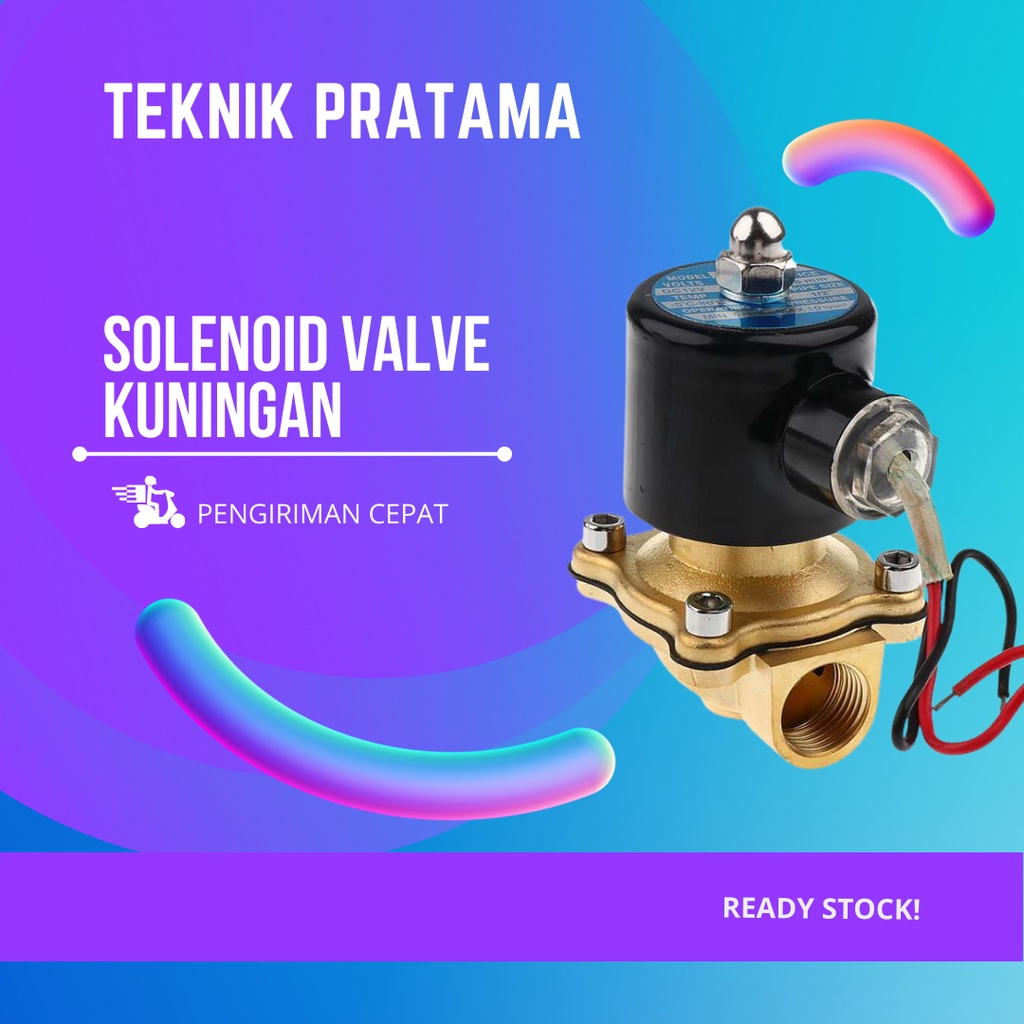
When you’re setting up a fluid‑control system, the reliability of a solenoid valve can make or break the whole operation. In a country as industrially diverse as Indonesia, finding a supplier that balances price, performance, and after‑sales support isn’t always straightforward. Below we’ll walk through what makes a supplier trustworthy, which regions host the most active manufacturers, and how you can vet a partner before signing a contract.
What Sets a Good Solenoid Valve Supplier Apart?
First and foremost, quality control is the non‑negotiable baseline. Look for certifications such as ISO 9001 or IEC 60534, which indicate systematic testing of coil resistance, seal integrity, and response time. Second, inventory depth matters. A supplier that stocks both standard and custom‑size valves can reduce lead times dramatically, especially when you need a specific pressure rating or material like stainless steel for corrosive media.
Finally, consider the level of technical assistance offered. Engineers who can help you size the valve, suggest coil voltage options, and troubleshoot installation issues add real value beyond simply delivering a product.
Key Regions for Solenoid Valve Production in Indonesia
Indonesia’s industrial hubs are scattered across Java, Sumatra, and Kalimantan. Jakarta and Surabaya host most of the larger distributors, who often act as agents for overseas manufacturers while maintaining local warehouses. In West Java, especially around Bandung, you’ll find a cluster of smaller firms that specialize in custom‑machined bodies and niche applications like food‑grade or marine environments.
Sumatra’s industrial corridor—particularly in Medan—offers suppliers with strong ties to the oil‑and‑gas sector, meaning they’re accustomed to handling high‑pressure, high‑temperature specifications. If your project is on the island of Borneo, look for partners in Balikpapan who have experience with heavy‑equipment manufacturers.
Evaluating Product Quality Without Opening a Valve
Ask for a datasheet that lists the valve’s rated voltage, coil power consumption, response time, and permissible fluid types. Reputable suppliers will also provide a test report confirming compliance with standards such as UL‑508 for electrical safety. If possible, request a sample for in‑house testing; even a short bench test can reveal issues like coil overheating or excessive leakage.
Don’t overlook the importance of material certification. A stainless‑steel body should be accompanied by a mill test report (MTR) confirming its grade—usually 304 or 316 for most industrial uses. For aggressive chemicals, look for valves with PTFE‑lined seals, and verify that the seal material matches the chemical compatibility chart.
After‑Sales Support: What to Expect
A solid warranty—typically one year for the coil and two years for the valve body—signals confidence in product durability. Equally important is the availability of spare parts. Some suppliers keep an inventory of replacement coils, O‑rings, and diaphragms, which can keep downtime to a minimum.
Technical support channels vary. Some companies offer a dedicated engineer hotline, while others rely on email or online ticketing systems. Test the responsiveness during the quotation phase; a prompt reply often predicts how quickly you’ll get help when the valve is in service.
Red Flags to Watch Out For
- Vague pricing without a clear breakdown of coil, body, and accessories.
- Lack of certifications or unwillingness to share test reports.
- Only one‑off production runs with no mention of quality assurance processes.
- Long lead times that exceed industry norms without a justified reason.
If a supplier exhibits any of these signs, it’s worth exploring alternatives before committing significant capital.
How to Compare Multiple Suppliers Efficiently
Start by creating a simple spreadsheet that captures essential criteria: price per unit, minimum order quantity, certification status, warranty length, and lead time. Assign a weight to each factor based on your project’s priorities—perhaps reliability and warranty are worth 40% of the total score, while price carries 30%.
Once you’ve scored each supplier, you’ll have a clear picture of which partner offers the best overall value. This method also helps justify the final decision to internal stakeholders or procurement committees.
FAQ
What is the typical response time for a solenoid valve?
For most standard models, the response time (opening or closing) ranges from 5 ms to 30 ms, depending on coil voltage and fluid pressure. Custom designs may have longer times, but manufacturers should provide this data in the datasheet.
Do Indonesian suppliers offer custom‑size solenoid valves?
Yes, many suppliers—especially those in West Java and Sumatra—provide machining services to adapt the valve body, port size, or seal material to specific project requirements. Expect a higher unit price and longer lead time for custom orders.
How important is ISO 9001 certification for a valve supplier?
ISO 9001 indicates a systematic quality management system. While it’s not a guarantee of flawless products, it does mean the supplier follows documented procedures for design, production, and inspection, which reduces the risk of defects.
Can I get technical assistance during installation?
Reputable suppliers typically assign an application engineer or provide detailed installation guides. Some even offer on‑site support for larger projects, especially in the oil‑and‑gas or water‑treatment sectors.