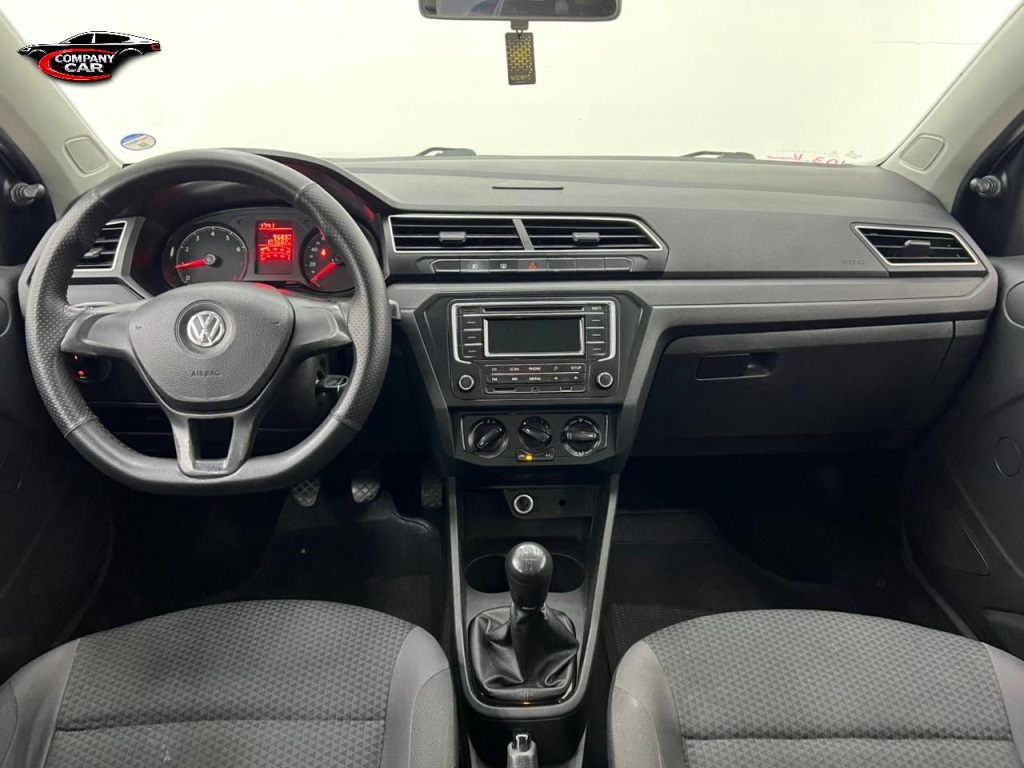
Comprehensive Repair Guide for the 2020 VW Voyage 1.6
The 2020 Volkswagen Voyage 1.6 has become a favorite in the compact sedan segment, thanks largely to its blend of fuel‑efficient performance and understated German engineering. Yet, like any vehicle, it eventually needs attention—whether it’s a squeaky door latch, a misfiring cylinder, or a routine oil change. This guide walks you through the most common repair tasks, the tools you’ll need, and the safety steps that keep both you and the car out of trouble.
What Makes the 2020 VW Voyage 1.6 Different?
At its core, the Voyage 2020 packs a 1.6‑liter four‑cylinder engine that delivers roughly 105 horsepower. The powerplant is paired with either a five‑speed manual or a six‑speed automatic transmission, and the chassis uses a front‑wheel‑drive layout. Compared with earlier models, the 2020 refresh added a revised dashboard layout, updated infotainment software, and a reinforced rear subframe that helps curb torque‑induced flex.
Essential Tools and Safety Precautions
- Basic hand set: combination wrenches, ratchet with socket extensions, and a torque wrench.
- Specialty items: VW‑specific OBD‑II scanner, spark plug socket, and a crankshaft pulley holding tool.
- Safety gear: gloves, safety glasses, and a jack‑stand set rated for at least 2 tonnes.
Before you lift the car, always engage the parking brake and place wheel chocks behind the opposite wheels. Disconnect the negative battery terminal to avoid accidental short circuits, especially when working around the engine bay or electronic modules.
Diagnosing Common Issues
Owners of the Voyage 1.6 frequently report three problem areas: engine misfires, brake squeal, and coolant leaks. A systematic approach helps pinpoint the root cause without unnecessary part replacement.
Engine Misfire
Typical symptoms include a rough idle, hesitation during acceleration, and an illuminated “Check Engine” light. Start by scanning the ECU with a VW‑compatible OBD‑II reader; fault codes P0300‑P0304 point to cylinder‑specific misfires. Check spark plugs for fouling, replace them if the gap is uneven, and inspect ignition coils for cracks or moisture.
Brake Squeal
Squeaking often stems from worn brake pads or a thin layer of dust on the rotors. Remove the wheel, examine pad thickness, and replace pads that are under 3 mm. If the rotors show scoring or uneven wear, a resurfacing or replacement is advisable. Applying a high‑temperature brake grease to the back of the pads can also quiet the noise.
Coolant Leak
Coolant loss usually appears as a sweet smell near the front of the car or a rising temperature gauge. Inspect the radiator hoses for cracks, and examine the water pump for seepage around the bearing housing. A quick pressure test with a cooling‑system tester can reveal hidden leaks without disassembly.
Step‑by‑Step: Replacing a Faulty Ignition Coil
Replacing an ignition coil on the 2020 Voyage 1.6 is a task most DIY enthusiasts can accomplish in under an hour.
- Disconnect the battery and wait a minute for residual power to dissipate.
- Locate the coil on the top of the engine; it sits directly above the spark plug.
- Remove the electrical connector by pressing the release tab, then unbolt the coil using a 10 mm socket.
- Pull the coil straight up—avoid twisting, which could damage the sealing gasket.
- Install the new coil, torque the bolt to 10 Nm, reconnect the plug, and re‑attach the battery.
- Clear any stored fault codes with the OBD‑II scanner and take the car for a short test drive.
If the engine still misfires after the coil replacement, consider checking the fuel injectors or the engine control module for deeper issues.
Keeping the Voyage Healthy: Routine Maintenance Tips
Regular upkeep extends the life of any vehicle, and the Voyage is no exception. Follow the manufacturer’s schedule for oil changes—every 10,000 km or 12 months, whichever comes first. Use synthetic 5W‑30 oil to protect the timing chain and reduce wear on the camshaft bearings. Rotate the tires every 8,000 km to promote even tread wear, and replace the cabin air filter annually to maintain interior air quality.
Another often‑overlooked item is the timing belt tensioner. While the 1.6‑liter engine uses a timing chain rather than a belt, the chain tensioner can develop slack over time, leading to rattling noises at low RPM. If you hear a metallic clatter, have the tensioner inspected and, if needed, replaced before the chain itself suffers damage.
When to Seek Professional Help
Some repairs demand equipment or expertise that goes beyond a home garage. Transmission fluid replacement, ABS module diagnostics, and advanced ECU reprogramming typically require a dealer‑level scan tool and a clean environment. If you encounter persistent fault codes after multiple DIY attempts, or if the vehicle exhibits erratic shifting, it’s wise to schedule a service appointment.
Frequently Asked Questions
Do I need a special wrench for the VW Voyage’s spark plug?
Yes. The 1.6‑liter engine uses a 16 mm spark plug socket with a 5/8‑inch extension to reach the plugs without removing the coil.
How often should the coolant be flushed?
Volkswagen recommends a coolant flush every 60,000 km or every five years, whichever occurs first. Using a VW‑approved coolant helps prevent corrosion in the aluminum radiator.
Can I use generic brake pads on the Voyage?
While generic pads will fit, OEM‑spec pads are engineered to match the vehicle’s brake rotor composition and deliver the intended noise‑reduction characteristics.
Is the 2020 Voyage’s timing chain considered a maintenance‑free component?
In most driving conditions, the chain lasts the life of the engine. However, listening for chain rattles during cold starts and checking tensioner wear during major services can preempt costly failures.