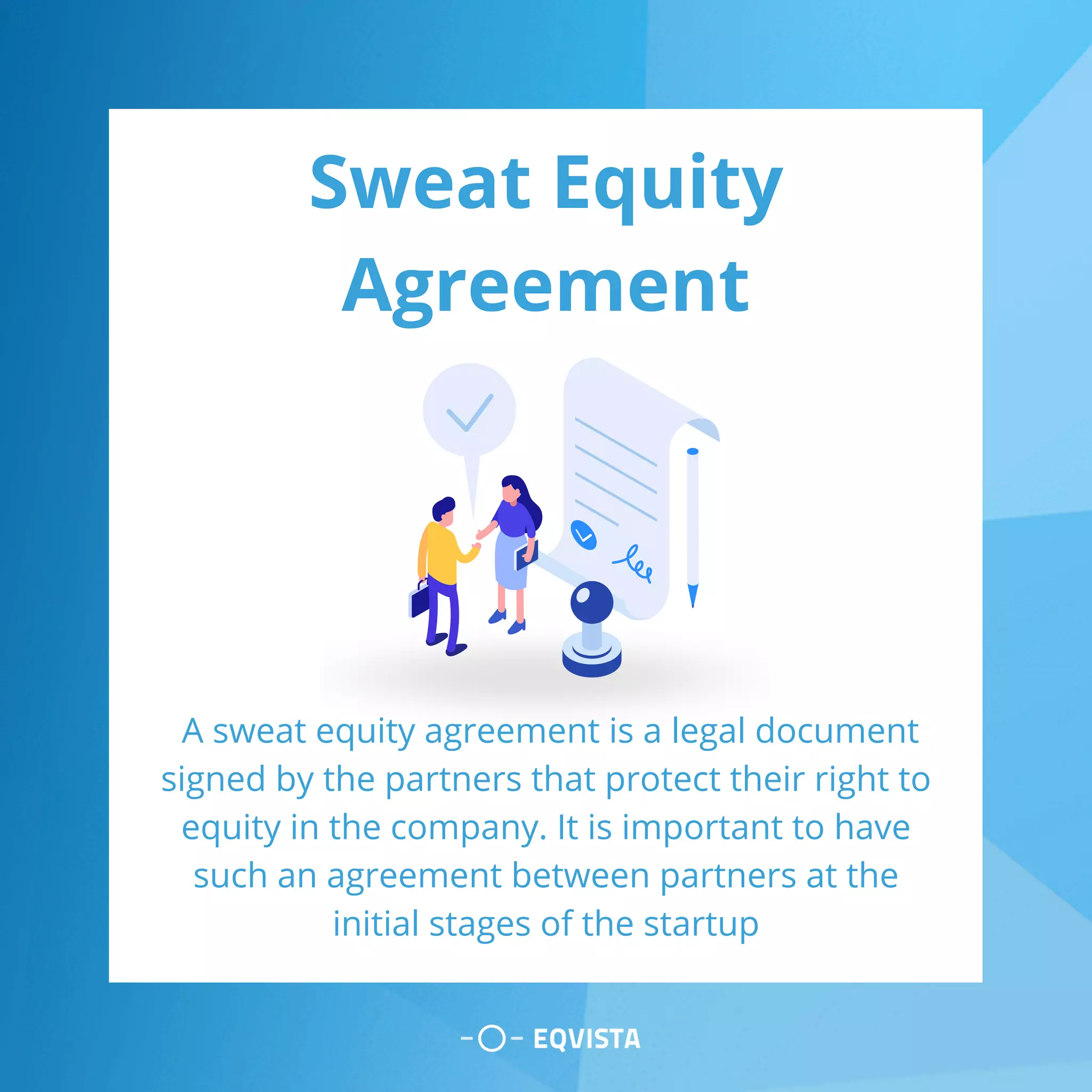
Crafting a Sweat‑Equity Partnership Agreement: A Step‑by‑Step Guide
Why a Sweat‑Equity Agreement Matters
When two or more founders or early employees contribute effort instead of capital, a sweat equity partnership agreement clarifies how that work translates into ownership, protects each party, and sets expectations for future funding rounds. Without it, misunderstandings can erode trust and delay growth.
1. Define Roles and Responsibilities Early
Start by listing who will do what. Break tasks into measurable deliverables—product milestones, marketing campaigns, or operational roles. Assign a clear percentage of ownership for each role before any money is exchanged. For example, a developer might receive 15% for coding the MVP, while a marketer gets 10% for building the brand.
2. Set a Time‑Based Vesting Schedule
To guard against early departures, adopt a standard four‑year vesting curve with a one‑year cliff. This means an employee earns 25% of their equity after the first year and then earns the remaining 75% in monthly installments. Adjust the schedule if you expect shorter or longer timelines for certain contributions.
3. Quantify Sweat Equity Contributions
Quantifying effort can be tricky. Use a conversion rate—for instance, 40 hours of work equals one percent of equity. Document the hours logged in a shared spreadsheet or time‑tracking tool, and update the agreement as milestones are met.
4. Include Performance Metrics
Performance metrics align ownership with results. For a product engineer, metrics might be feature completion rate or code quality scores. For a sales lead, the metric could be a specific revenue target. Tie equity releases to the achievement of these metrics.
5. Clarify IP and Confidentiality Terms
State who owns the intellectual property created during the partnership. Typically, the company owns IP, but the agreement should specify that contributors receive a royalty or equity share in exchange for their work. Include a confidentiality clause to protect trade secrets.
6. Address Dispute Resolution
Include a clause that outlines how disputes will be handled—first through mediation, then arbitration if necessary. Specify the governing law and jurisdiction to avoid surprises later.
7. Plan for Future Capital Raises
Describe how new investors will affect existing equity stakes. Provide a mechanism for the founders to lock in their current ownership percentages or to repurchase shares at a fair market value.
8. Draft the Agreement with Professional Help
While templates exist, a seasoned attorney can tailor clauses to your startup’s specific needs, ensuring compliance with local regulations. A well‑written agreement reduces the risk of future litigation.
9. Keep the Agreement Flexible
As the business evolves, the agreement should be revisited. Use a clause that allows for amendments upon unanimous consent, enabling you to adjust equity splits if roles shift.
10. Communicate the Agreement Clearly
After drafting, walk each partner through the document. Make sure everyone understands the vesting schedule, performance metrics, and exit scenarios. Transparency builds confidence and keeps the team focused.
Frequently Asked Questions
- What if a partner stops contributing but retains equity? Most agreements include a clause that reverts unvested shares if the partner ceases work before the vesting period ends.
- Can we use a monthly vesting schedule instead of quarterly? Yes—adjust the vesting intervals to match your operational rhythm, but maintain a clear cliff to protect the company.
- Is a sweat equity agreement the same as a standard employment contract? No. It focuses on ownership stakes tied to effort, whereas employment contracts cover salary, benefits, and termination terms.
- How do we value hours worked for equity allocation? Use a fair market rate for the role and divide by the total equity pool to determine the equity per hour.