Criminology Graduate Salary & Career Paths Explained
Choosing a bachelor’s degree in criminology opens doors to a surprisingly diverse job market. While many envision roles in law enforcement, the reality stretches into research, policy analysis, private security, and even tech‑driven fields like cyber‑crime investigation. Understanding the typical criminology bachelor's salary and the career routes that lead there can help you chart a realistic, rewarding professional journey.
Criminology Bachelor’s Salary Overview
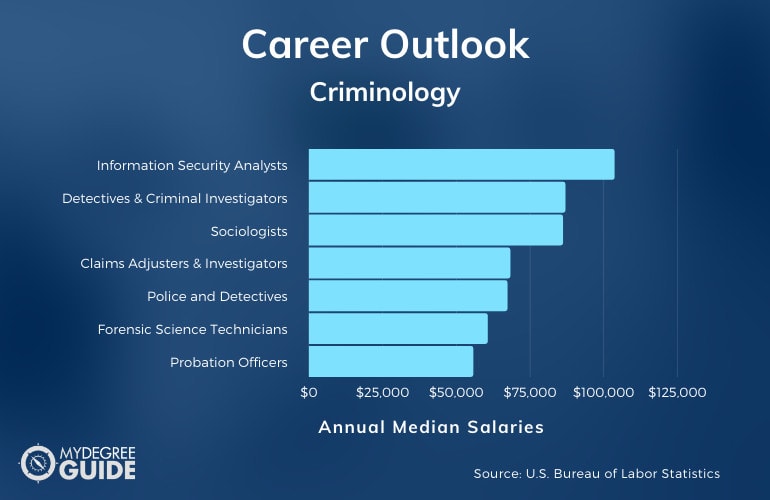
Entry‑level salaries for a criminology graduate in the United States generally fall between $35,000 and $50,000 per year, according to recent labor market reports. The exact figure hinges on the industry, geographic location, and whether the position requires additional certifications. In larger metropolitan areas or federal agencies, starting pay can tip toward the higher end of that range.
Top Industries Hiring Criminology Graduates
Employers value the analytical and investigative skill set that criminology programs cultivate. Below are the sectors that consistently absorb new graduates:
- Law Enforcement & Corrections – Police departments, sheriff’s offices, and state correctional facilities.
- Federal Agencies – FBI, DEA, U.S. Marshals Service, and Homeland Security often seek analysts and special agents.
- Private Security & Consulting – Corporate risk managers, private investigation firms, and security consulting groups.
- Social Services & Non‑profits – Organizations focused on victim advocacy, community outreach, and crime prevention.
- Research & Academia – Think tanks, universities, and government research labs that study crime trends.
- Technology & Cybersecurity – Companies developing digital forensics tools or offering cyber‑crime mitigation services.
Common Career Paths After a Criminology Bachelor’s
Below are five career routes that many graduates pursue, each with its own salary trajectory.
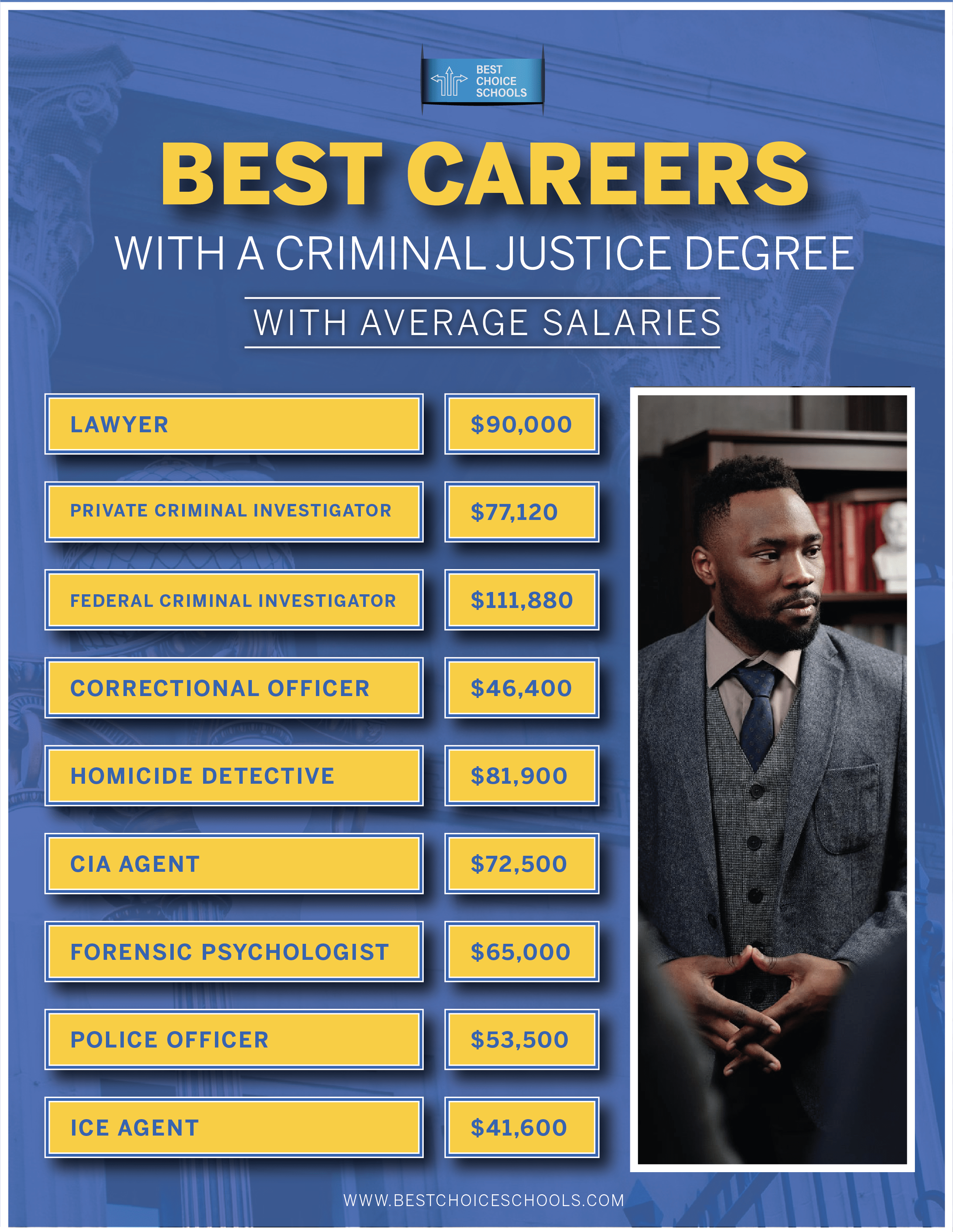
- Police Officer or Deputy Sheriff – Median salary around $55,000; overtime and hazard pay can boost earnings.
- Crime Analyst – Often employed by law‑enforcement agencies or private firms; starting pay near $48,000, with senior analysts earning $70,000+.
- Probation or Parole Officer – Average entry salary $45,000; experience and supervisory roles push the range past $60,000.
- Private Investigator – Income varies widely; freelancers may start below $40,000 but can exceed $80,000 with a strong client base.
- Forensic Data Analyst – A newer niche blending criminology with data science; entry salaries hover $55,000, rising quickly with technical certifications.
Factors That Influence Earnings
Several variables can shift a criminology graduate’s paycheck up or down. Location is a primary driver: states like California, New York, and Washington D.C. routinely offer higher wages to offset living costs. Further, possessing complementary credentials—such as a certification in digital forensics, a teaching license, or a master’s degree—often translates into a noticeable pay bump. Lastly, the size and budget of the employing organization matter; federal agencies typically outpay local police departments at comparable experience levels.
How a Master’s Degree Changes the Equation
While a bachelor’s degree is sufficient for many entry positions, a graduate degree can dramatically expand both responsibility and remuneration. A Master of Criminal Justice (MCJ) or a Master of Public Administration (MPA) often unlocks supervisory roles, policy‑making jobs, or academic appointments. Salaries for those with a master’s typically start $10,000–$15,000 above bachelor‑level figures and can climb into the six‑figure range for senior analysts or department heads.
Boosting Your Salary Without Returning to School
If you prefer to stay on the bachelor's track, consider these practical steps:
- Earn industry‑specific certifications—e.g., Certified Fraud Examiner (CFE) or Certified Information Systems Security Professional (CISSP).
- Gain experience in high‑demand specialties like cyber‑crime, data analytics, or behavioral profiling.
- Leverage internships or volunteer work to build a network inside federal or private‑sector agencies.
- Seek out mentorship programs that can fast‑track promotions within law‑enforcement hierarchies.
Geographic Hotspots for Higher Pay
Beyond the usual coastal premium, some inland cities have emerged as lucrative hubs for criminology talent. Austin, Texas, for instance, has attracted a cluster of cyber‑security firms hiring crime analysts at $65,000–$80,000. Similarly, the Research Triangle in North Carolina offers research‑focused roles that pay well above the national average, thanks to the concentration of universities and government labs.
Work‑Life Balance Considerations
Higher salaries often come with trade‑offs. Federal investigative positions may demand extensive travel and irregular hours, while private security consulting can involve long client‑service days. On the other hand, roles in research or academia typically enjoy more regular schedules, though they may start with lower pay. Weighing these lifestyle factors early can prevent future career dissatisfaction.
Future Outlook: Where the Field Is Heading
The demand for criminology professionals is expected to grow modestly over the next decade, with the Bureau of Labor Statistics projecting a 5% increase for related occupations. Technological advances—particularly in AI‑driven predictive policing and digital forensics—are reshaping job descriptions, meaning that graduates who combine a solid criminology foundation with tech fluency will likely command the strongest salaries.
FAQ
What is the average starting salary for a criminology bachelor's graduate? Typically between $35,000 and $50,000, though positions in federal agencies or high‑cost cities can start nearer $55,000.
Do I need a master’s degree to become a crime analyst? Not necessarily; many entry‑level analyst roles accept a bachelor’s, but a master’s or relevant certifications can accelerate promotion and raise salary potential.
Which certification adds the most value for a criminology graduate? Certifications in digital forensics (e.g., GCFA) or fraud examination (CFE) are highly regarded and often lead to higher-paying opportunities.
Can I work in cybersecurity with a criminology degree? Yes—especially in roles focused on cyber‑crime investigation, where understanding criminal behavior complements technical skills.