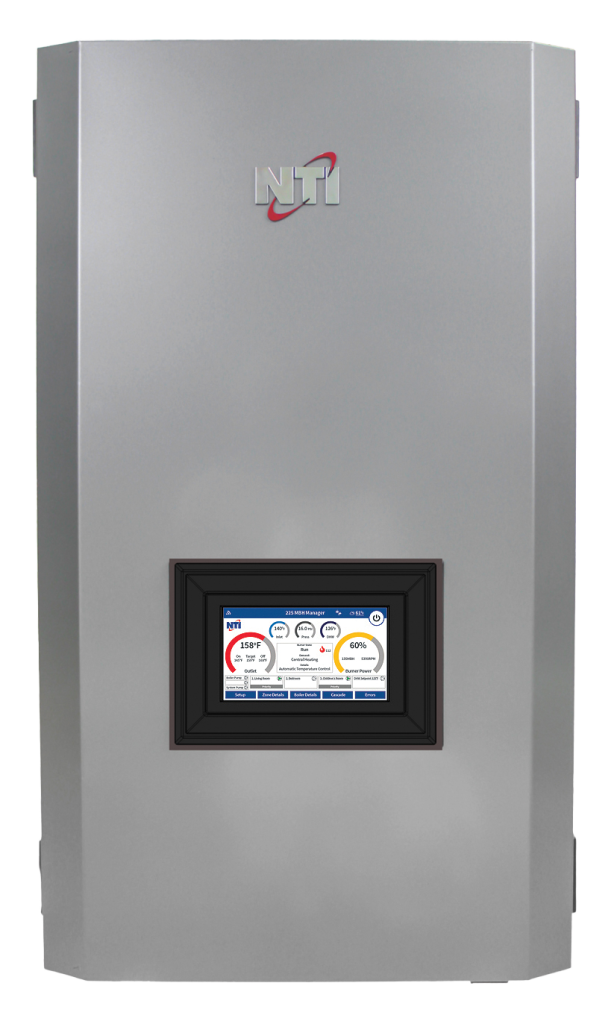
Debunking the Biggest Myths About NTI Boilers
When homeowners consider upgrading to an NTI boiler, they often hear a handful of common myths that can cloud judgment. From concerns about cost to fears of maintenance headaches, the chatter can be confusing. Let’s cut through the noise and examine the facts behind the most frequently heard misconceptions, so you can make an informed decision about whether an NTI boiler is right for you.
Myth 1: NTI Boilers Are Unnecessarily Expensive
Many people assume that high performance means high price, but NTI’s pricing model reflects value, not extravagance. While the upfront cost of an NTI boiler can be higher than a basic unit, the energy savings and lower operating expenses often offset the initial outlay over a 10‑ to 15‑year lifespan. Additionally, the manufacturer’s extended warranty and free maintenance for the first few years can reduce unexpected costs.
Reality Check
- Annual fuel savings typically range from 10% to 25% compared with older models.
- Longer warranty periods mean fewer service calls and lower repair bills.
- Government rebates for high-efficiency systems can narrow the price gap.
Myth 2: NTI Boilers Are Complex to Install and Maintain
Some installers warn that NTI’s advanced controls require a steep learning curve. In practice, the company provides comprehensive training resources and on‑site support. The modular design also means parts are standardized, which simplifies troubleshooting and spare part procurement.
Reality Check
- Most professional installers complete certification in under two days.
- Diagnostic software lets technicians pinpoint issues quickly, cutting downtime.
- Routine maintenance tasks—like cleaning the heat exchanger—are straightforward for a qualified technician.
Myth 3: NTI Boilers Are Not Quiet Enough for Residential Use
Noise is a legitimate concern, especially for single‑family homes. The truth is that NTI boilers incorporate sound‑proofing features such as insulated housings and vibration dampers. Many homeowners report no audible difference compared to conventional furnaces.
Reality Check
- Decibel levels for NTI units are typically between 50–55 dB, comparable to a quiet office.
- Sound‑proofing panels are part of the standard installation package.
- Professional installers can orient the unit to minimize noise transmission through walls.
Myth 4: NTI Boilers Require Frequent, Expensive Repairs
Word of mouth sometimes paints NTI boilers as maintenance nightmares. The opposite is true: the company’s robust build quality and redundant safety systems mean breakdowns are rare. When issues do occur, the diagnostic tools allow technicians to fix problems swiftly, often on the first visit.
Reality Check
- Average annual service calls are below 0.5 per unit.
- Most common repairs involve minor adjustments, not major component replacement.
- Extended warranties cover many repair costs, reducing out‑of‑pocket expenses.
Myth 5: NTI Boilers Are Only for Commercial Use
NTI markets its boilers to both commercial and residential customers, but the brand’s residential models are specifically engineered for smaller loads and tighter budgets. They come in a variety of sizes and can be paired with smart thermostats for added convenience.
Reality Check
- NTI offers models with BTU ratings as low as 80,000, ideal for homes.
- Installation kits are sold with detailed homeowner guides.
- Energy‑star certification is available for many residential models.
Making the Decision: How to Choose Wisely
Once you’ve debunked the myths, the next step is to evaluate your own home’s heating needs. Measure the square footage, assess insulation levels, and calculate the existing system’s efficiency. From there, consult a certified HVAC professional to compare NTI models against your specific requirements.
Frequently Asked Questions
- What is the typical lifespan of an NTI boiler? Most units last 15–20 years with regular maintenance.
- Do NTI boilers work with natural gas and propane? Yes, many models are dual‑fuel compatible.
- Can I install an NTI boiler myself? It’s recommended that a licensed technician handle installation for safety and warranty compliance.