Discover Brasília: Brazil’s Modern Capital City Guide
When you think of Brazil, the image that often pops up is the bustling streets of Rio or the vibrant rhythm of São Paulo. Yet, tucked in the heart of the country lies Brasília, the purpose‑built capital that feels more like a museum of 20th‑century design than a traditional city. Unveiled in 1960, this UNESCO World Heritage site blends politics, architecture, and the idealistic spirit of a nation striving for a fresh identity. In the next few minutes, we’ll walk you through the story, the skyline, and the everyday pulse of Brasília.
The Dream Behind the City
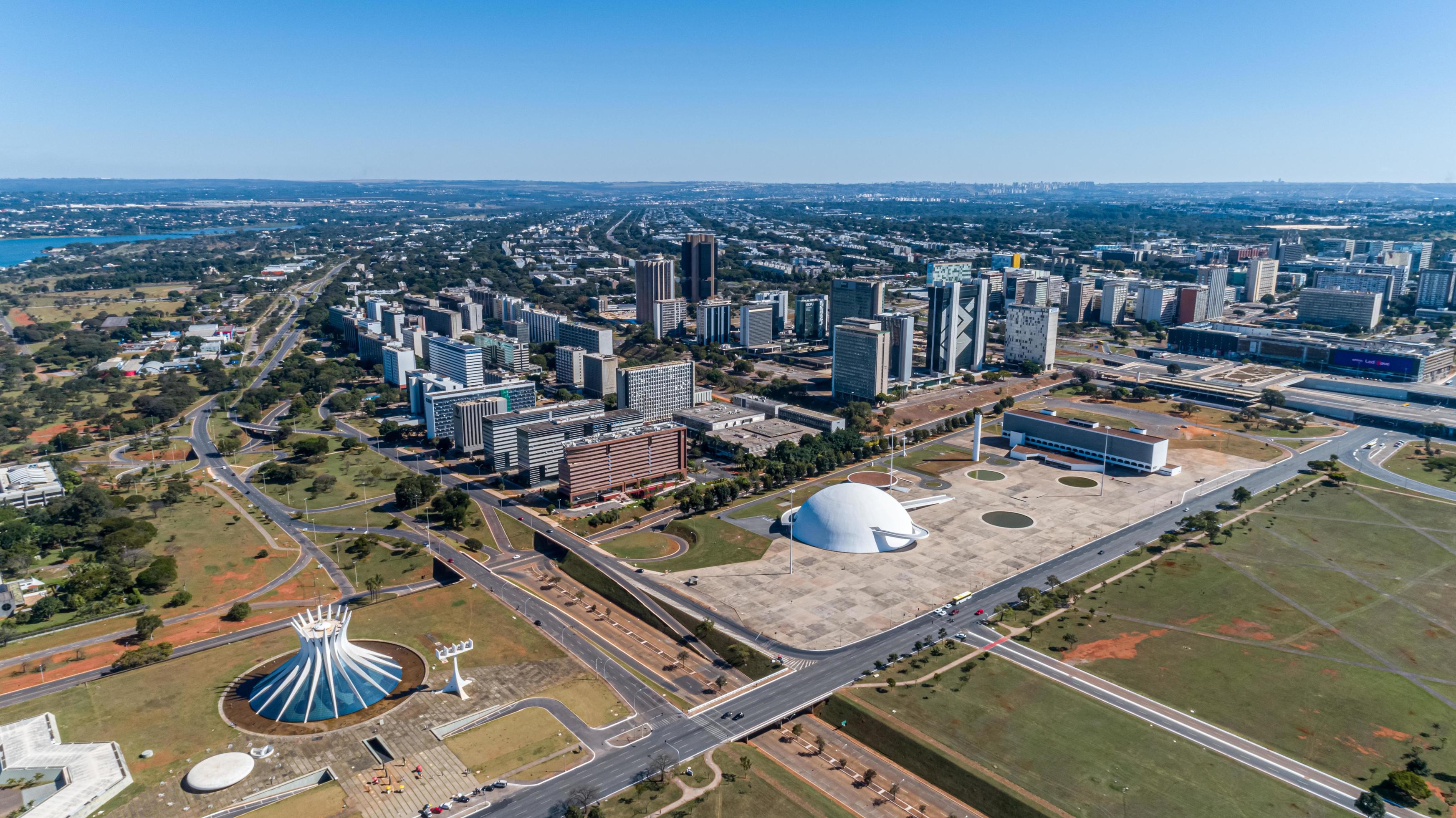
President Juscelino Kubitschek, elected in 1955, imagined a capital that would physically pull the country toward its interior, fostering development far from the coastal hubs. He commissioned the visionary architect Oscar Niemeyer and the urban planner Lúcio Costa to bring this audacious plan to life. Their blueprint wasn’t just a layout; it was a manifesto. Costa’s “Pilot Plan” resembles an airplane’s silhouette, with the wings spreading into residential zones and the fuselage housing government ministries.
The construction timeline was astonishingly swift. Within four years, the city rose from the dry savanna of the Cerrado to become Brazil’s third capital. By April 21 1960, the new government moved in, marking the official inauguration of Brasília.
Architectural Icons That Define the Skyline
Walking through Brasília feels like strolling through a living exhibition of modernist architecture. Niemeyer’s bold curves and daring use of concrete dominate the cityscape.
- Palácio da Alvorada – the presidential residence, its sleek marble columns mirror the sunrise over the lake.
- Congresso Nacional – twin towers flanked by two domes, symbolizing the legislative houses, with an interior that feels more like a futuristic cathedral.
- Catedral de Brasília – a crown of 16 concrete pillars that seem to reach for the sky, letting light filter through stained‑glass windows in a kaleidoscope of color.
- Palácio Itamaraty – the foreign ministry’s glass façade creates the illusion of a floating building, a nod to Brazil’s diplomatic openness.
These structures aren’t merely functional; they embody a philosophy that architecture can shape society’s aspirations. The city’s layout, with its expansive green spaces and monumental avenues, encourages a sense of openness that contrasts sharply with the dense, historic cores of older Brazilian cities.
Why UNESCO Recognized Brasília
In 1987, UNESCO added Brasília to its World Heritage list, citing its “exceptional example of modern urban planning” and the harmonious integration of architecture with the surrounding landscape. The designation underscores a rare moment when an entire city was conceived as a single artistic statement, rather than evolving over centuries.
Living in Brasília: Culture Meets the Desert
Beyond the iconic monuments, Brasília is a thriving metropolis of nearly three million residents. The city’s unique zoning—residential “superblocks” surrounded by green corridors—creates a lifestyle where daily jogs often cross past government edifices.
Food lovers will find a culinary scene that mixes traditional Brazilian flavors with international influences. The Mercado Central offers fresh tropical fruits, while the bustling Setor Norte district hosts trendy bistros serving everything from feijoada to sushi.
Nightlife leans toward relaxed lounges rather than raucous clubs. Bars in the Asa Sul area often showcase live MPB (Música Popular Brasileira) and jazz, reflecting the city’s sophisticated, cosmopolitan vibe.
Practical Tips for First‑Time Visitors
If you’re planning a trip, here are a few pointers to make the most of your stay.
- Getting There – Brasília’s international airport, Presidente Juscelino Kubitschek Airport, receives direct flights from major South‑American hubs. From the airport, the metropolitan bus system and ride‑share apps are the easiest ways to reach the city center.
- Transportation Within the City – The Brasília Metro (Metrô) covers the central corridor between the main government district and residential wings, making it a fast, affordable option for tourists.
- Must‑See Spots – Allocate at least a half‑day for the “Esplanada dos Ministérios” to admire the government buildings, then head to the Parque da Cidadela for panoramic views of the city’s layout.
- Best Time to Visit – The dry season (May to September) offers comfortable temperatures and clear skies, perfect for photography and exploring outdoor spaces.
Remember that many of Brasília’s attractions are spread out, so plan your itinerary around the city’s axial roads—particularly the iconic “Eixo Monumento” that connects the major monuments.
What Sets Brasília Apart from Other Capitals
Most capital cities grow organically, their streets winding through history. Brasília, by contrast, is a deliberate experiment in modernism. Its emphasis on open spaces, civic symbolism, and the interplay between architecture and politics creates an atmosphere that feels simultaneously futuristic and deeply rooted in Brazil’s mid‑century optimism.
Critics sometimes argue that the city’s grand scale can feel impersonal, especially for newcomers. Yet, the same openness provides a canvas for public art, festivals, and community initiatives that continue to evolve the city’s identity.
Frequently Asked Questions
When was Brasília officially inaugurated?
Brasília was inaugurated on April 21 1960, a date now celebrated annually as “Dia da Independência de Brasília.”
Which buildings should a first‑time visitor prioritize?
Start with the Catedral de Brasília, then explore the Congresso Nacional, Palácio da Alvorada (viewable from outside), and the modernist museums in the Centro Cívico area.
How easy is it to navigate the city without a car?
The metro, combined with a reliable bus network and widespread ride‑share services, makes it quite straightforward to reach major attractions. Taxis are also plentiful, though traffic can be heavy during rush hour.
Is Brasília safe for tourists?
Like any large city, safety varies by neighborhood. The central tourist zones—especially around the government complexes and the Asa Sul cultural district—are well‑patrolled and generally safe during daylight hours. As a precaution, keep valuables out of sight and avoid isolated streets after dark.