Do Carl Zeiss Lenses Really Deliver Value?
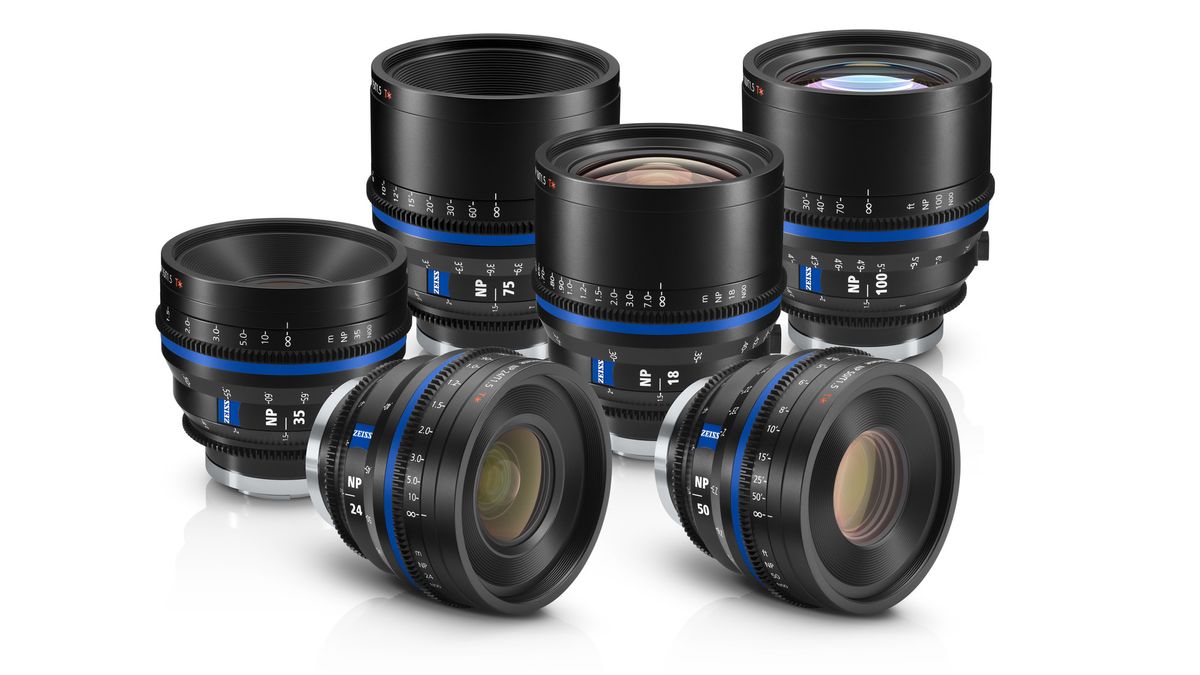
When a camera enthusiast scours gear forums, they’ll often encounter the phrase Carl Zeiss Lenses and hear a chorus of praise that ranges from “legendary optics” to “pricey but worth every cent.” The brand, founded over a century ago, has built a reputation for crafting lenses that marry optical precision with rugged construction. But is the hefty price tag justified for everyday users, or is it only for those willing to invest in a top-tier experience? This article breaks down the strengths, price dynamics, and who truly benefits from Zeiss lenses, helping you decide if they’re worth your wallet.
What Makes Carl Zeiss Lenses Stand Out?
Optical Performance: Sharpness, Color Accuracy, and Bokeh
Zeiss’s hallmark lies in its optical design. Engineers use a combination of high‑index glass and aspheric elements to minimize distortions and chromatic aberration. The result is images that are consistently sharp from edge to edge, even at wide apertures. Color rendition is also a standout—subtle, natural tones that avoid the overly saturated look sometimes seen in cheaper lenses.
Build Quality and Durability
Construction isn’t merely a marketing angle. Zeiss lenses feature a robust metal body, often with rubberized grips that resist slippage even in sweaty or damp conditions. Most models include weather sealing, protecting critical internals from dust and moisture. This durability translates into fewer repairs over a lens’s lifespan, a key consideration for professionals on the road.
Compatibility and Versatility Across Systems
Zeiss offers lenses for Canon, Nikon, Sony, Micro‑Four‑Thirds, and more. While each mount has its quirks, the optical core remains consistent. Many Zeiss lenses include advanced autofocus motors and can be paired with in‑camera image stabilization when the system supports it. For users who own multiple bodies, a Zeiss lineup can become a coherent, high‑quality armory.
Price Point vs. Value: Do They Worth It?
Comparing Prices: Zeiss vs. Competitors
On average, a Zeiss prime can cost 20–30% more than an equivalent third‑party lens. For instance, a 50mm f/1.4 on a Canon body might run $700 with Zeiss versus $500 with a comparable Sigma or Tamron. While the initial outlay is higher, the difference shrinks when factoring in optical performance and longevity.
Long-Term Cost: Maintenance and Longevity
Fewer repairs mean lower lifetime cost. Zeiss lenses are engineered to resist common issues like focus drift or autofocus failures. In contrast, some cheaper lenses require periodic recalibration. Over a decade, the savings on service can offset part of the premium price.
Resale Value
Used Zeiss lenses retain about 70–80% of their original value after five years, whereas many third‑party lenses depreciate by 40–50%. For those who upgrade lenses regularly, this resale advantage can be a decisive factor.
Who Benefits Most from Zeiss?
Professional Photographers
Studio and on‑location photographers prize Zeiss’s consistent sharpness and color fidelity. The build quality withstands the rigors of travel, and the lenses’ reliable autofocus speeds keep up with high‑speed events.
Creative Enthusiasts
Artists who prioritize image quality for fine art prints or large‑format displays find Zeiss lenses’ minimal distortion and exquisite bokeh worth the investment. The optical performance translates into fewer post‑processing adjustments.
Videographers
Zeiss lenses are often chosen for film because they offer smooth focus transitions and minimal vibration from the lens body. Their compatibility with in‑camera stabilization systems makes them versatile for handheld or gimbal setups.
Practical Tips for Buying Zeiss
- Define Your Use Case: Portrait, landscape, macro, or video? Zeiss offers specialized lenses for each.
- Check System Compatibility: Some Zeiss lenses include focus distance markings that only work with specific mounts.
- Consider Third‑Party Alternatives: If budget is tight, look at Sigma or Tamron versions that replicate the optical formula.
- Inspect the Lens: Look for dust or scratches on the front element; a clean surface indicates careful handling.
- Test in Hand: Feel the weight and ergonomics; Zeiss lenses can be heavier than counterparts, which matters for handheld shooting.
Final Verdict
Zeiss lenses embody a marriage of optical mastery and rugged construction. For professionals who demand uncompromising performance and longevity, the premium price is justified. Creative hobbyists who value pristine color and minimal distortion can also find the investment worthwhile, especially when considering resale value and low maintenance. However, casual shooters or those on a tight budget might prefer high‑quality third‑party lenses that offer comparable performance at a fraction of the cost. Ultimately, if your work hinges on image fidelity and you’re ready to invest in a lens that will last for years, Carl Zeiss lenses are indeed worth it.
FAQ
- Are Zeiss lenses compatible with all camera systems? Zeiss offers lenses for major mounts, but always verify the mount before purchasing.
- Do Zeiss lenses require special care? Standard lens care—using a microfiber cloth and storing in a padded case—is sufficient. Weather‑sealed models are resilient but still benefit from regular cleaning.
- Can I use Zeiss lenses on mirrorless cameras? Yes, Zeiss has a line of mirrorless‑specific lenses, though some older models can be used with adaptors.