Dybala’s Possible Barcelona Transfer: What Fans Need to Know
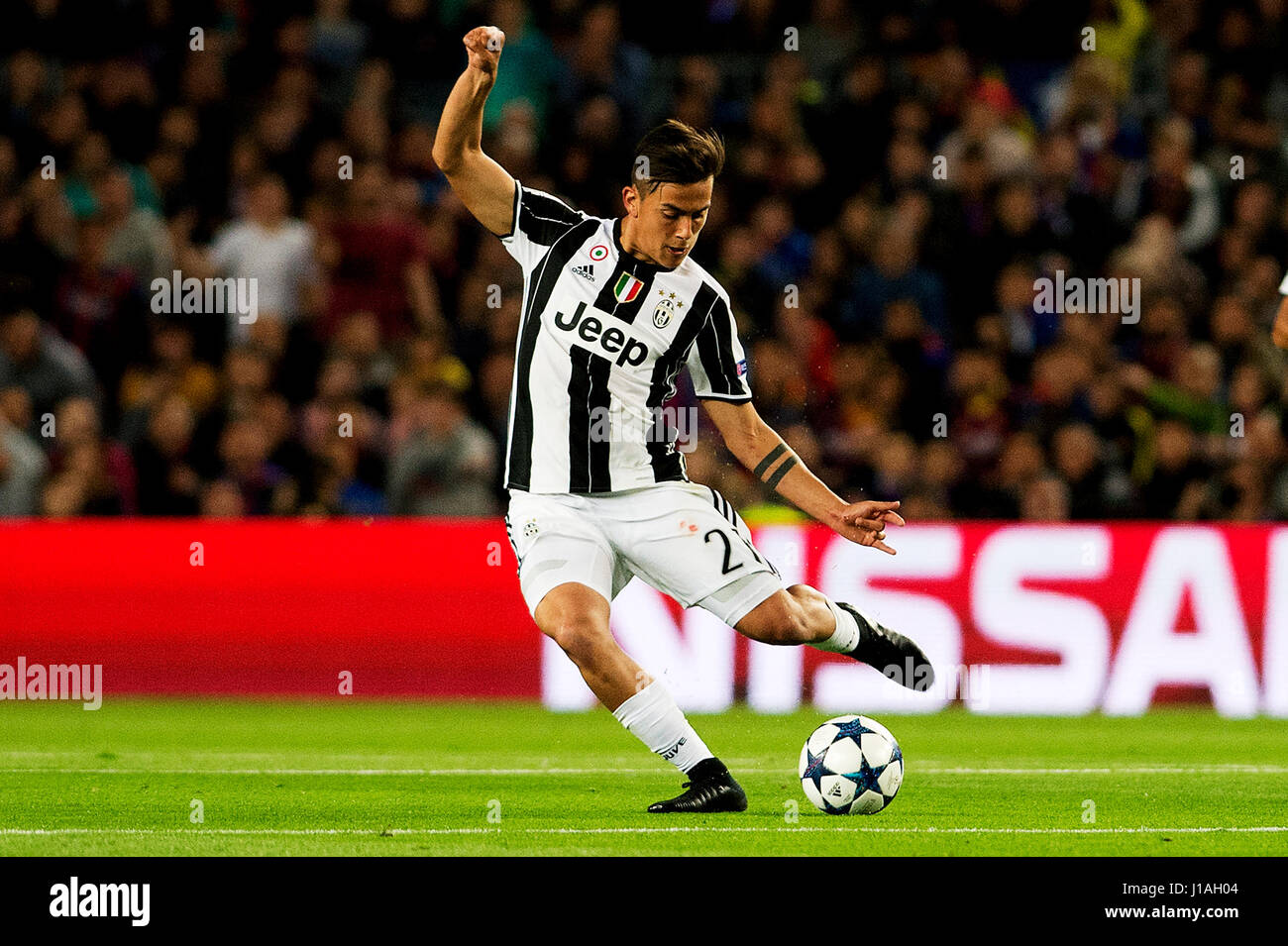
Rumors about Paulo Dybala moving to Barcelona have been swirling ever since the Argentine forward’s contract situation changed earlier this summer. While nothing is official yet, the buzz has sparked endless speculation on how the 31‑year‑old could fit into Xavi’s project, what Barcelona’s finances can actually support, and whether the move would benefit both player and club. Below is a concise rundown of the key points you should keep in mind if you’re following this story.
Dybala to Barcelona: The Rumors Explained
Several sources close to the club have hinted that Barcelona’s sporting director is keeping Dybala on a shortlist alongside other high‑profile targets. The primary driver appears to be the need for a versatile forward who can operate both as a false‑nine and a creative winger, a role that has been in flux at Camp Nou after the departures of Ousmane Dembélé and Ferran Torres.
In addition, Dybala’s agent reportedly confirmed that the Argentine is open to a new challenge, especially if he can secure regular playing time in a system that values his technical flair. That said, the transfer window is already crowded, and competing offers from Serie A and the Middle East could complicate negotiations.
Barcelona’s Current Squad Needs
Barcelona’s attacking line‑up this season has relied heavily on Robert Lewandowski and the younger talents like Ansu Fati. While Lewandowski delivers goals, his pace has waned, and the team sometimes lacks a player capable of linking midfield creativity with a clinical finish. Dybala’s skill set—tight ball control, intelligent movement, and an eye for goal from distance—could address that gap.
Moreover, Xavi’s possession‑based style demands forwards who can drop deep, pull defenders out of shape, and create space for midfield runners. Dybala’s experience under similar systems at Juventus and Roma suggests he could adapt quickly, offering a nuanced option that sits between a pure striker and a traditional number‑10.
Financial Realities and Contract Details
Barcelona’s finances remain under strict UEFA monitoring after years of debt restructuring. The club has shown a willingness to spend, but only if the wage bill stays within sustainable limits. Dybala’s current salary at Roma is reported to be around €8 million net per year. Barcelona would likely need to negotiate a reduced package, perhaps with performance‑related bonuses to stay compliant with La Liga’s salary cap.
Another angle to consider is the potential sell‑on clause that could be included in the deal. Should Dybala thrive and attract interest from other European giants, Barcelona could recoup a sizable fee, easing future budget constraints.
How Dybala Fits Tactically
Under Xavi, Barcelona often lines up in a 4‑3‑3, with the front three interchanging positions fluidly. Dybala could slot in as a left‑forward, cutting inside onto his stronger right foot to unleash shots or threading passes to the central striker. Alternatively, he could serve as a false‑nine, dropping between the lines to pull centre‑backs out of position.
His set‑piece prowess is another asset. Barcelona has struggled with free‑kick conversions in recent campaigns, and Dybala’s ability to curl the ball over walls could add a new dimension to their dead‑ball threat.
Potential Impact on the Squad and Fans
If the transfer materialises, the immediate impact would be a boost in attacking variety. Younger players like Pedri and Gavi would gain a seasoned mentor who can demonstrate how to exploit half‑spaces and create overloads on the flank. For the supporters, seeing a player of Dybala’s pedigree wear the Blaugrana could reignite optimism after a turbulent period marked by managerial changes and inconsistent results.
However, there are risks. Dybala’s injury history, particularly recurring muscle strains, could limit his availability in a demanding La Liga schedule. Additionally, the pressure of performing at a club with such global scrutiny may affect his confidence if he does not adapt quickly.
Comparison with Recent High‑Profile Signings
Barcelona’s recent acquisitions—like Raphinha, Jules Koundé, and João Félix—have all been relatively young players with resale value. Dybala, by contrast, is in the latter stages of his career, meaning the club would be prioritising immediate impact over future profit. This mirrors the approach taken with Lewandowski, who was signed as a proven goal‑scorer despite his age.
In terms of wage structure, Dybala would rank among the higher earners, similar to the contracts granted to seasoned internationals such as Sergio Busquets. The club will need to balance this with its broader wage‑budget strategy.
What to Watch in the Coming Weeks
- Official statements: A confirmed announcement from either Barcelona or Roma would settle speculation.
- Medical evaluation: Dybala’s fitness will be scrutinised closely given his past injuries.
- Financial disclosures: La Liga’s salary‑cap reports may hint at the feasibility of a high‑wage signing.
- Fan sentiment: Social media polls and forums often reflect the broader mood among the Barca faithful, influencing club decisions.
FAQs
Q: How likely is Dybala’s move to Barcelona?
A: While interest appears genuine, the transfer depends on financial negotiations, medical clearance, and competition from other clubs.
Q: What position would Dybala play at Barcelona?
A: He would most likely operate as a left‑forward or false‑nine, providing flexibility in Xavi’s 4‑3‑3 system.
Q: Will Dybala’s salary fit Barcelona’s wage cap?
A: The club would probably need to restructure his wages with performance bonuses to stay within La Liga’s limits.
Q: How could Dybala improve Barcelona’s attack?
A: His creativity, set‑piece skill, and ability to link midfield and attack could add variety and increase goal‑scoring options.