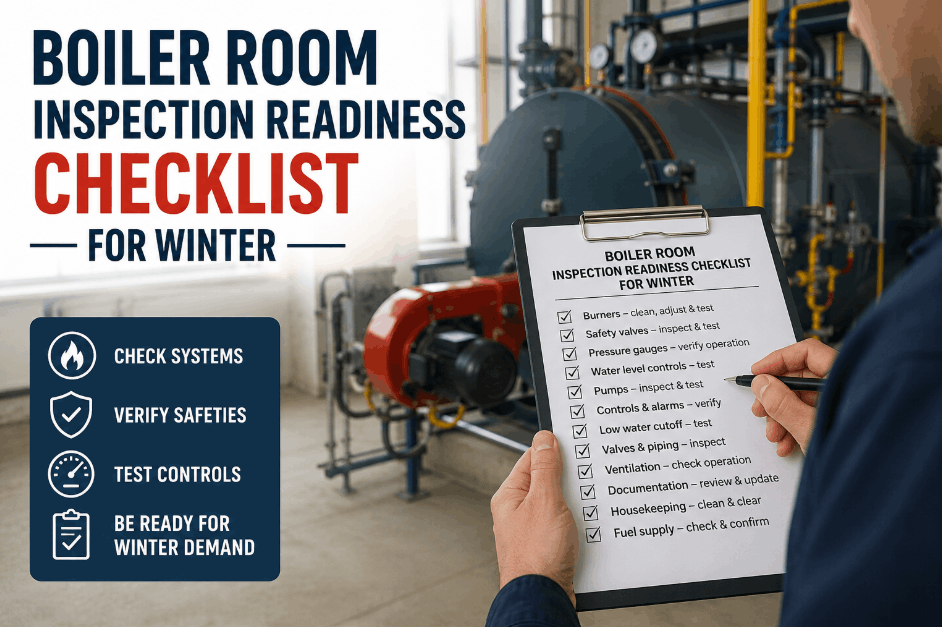
Essential NTI Boiler Maintenance Checklist: Keep Your System Running Smoothly
Every industrial facility or commercial space that relies on an NTI boiler knows how critical it is to stay ahead of breakdowns. A well‑executed NTI Boiler Maintenance Checklist can mean the difference between a costly outage and a steady, efficient operation. Below, we unpack a practical, step‑by‑step guide that blends daily habits with long‑term safeguards, so you’ll know exactly what to do when you pull on that wrench.
Key Components of the NTI Boiler Maintenance Checklist
Before diving into the schedule, it helps to understand what a robust checklist covers. At its core, the checklist groups tasks by frequency, each targeting a specific risk area: safety, efficiency, or compliance. The main categories are:
- Pre‑Startup Checks – ensure every component is ready before the boiler fires.
- Regular Inspections – routine visual and functional reviews.
- Performance Monitoring – data‑driven diagnostics that catch trends.
- Safety & Compliance – mandatory checks that keep the boiler legal and secure.
- Troubleshooting & Repair – quick fixes for common hiccups.
- Record Keeping – documentation that fuels future maintenance.
Below is a detailed list aligned with those categories, arranged by how often each task should be performed.
Daily and Weekly Tasks
These quick checks keep the boiler in good shape and help spot issues before they grow.
- Visual Inspection of the Furnace – Look for cracks, soot build‑up, or loose components. A clean, intact furnace is the foundation of safe operation.
- Check Burner Settings – Verify fuel flow, air‑to‑fuel ratio, and ignition timing. Incorrect settings can reduce efficiency or cause dangerous back‑sulfurization.
- Monitor Water Level and Pressure – Ensure the level stays within the manufacturer’s safe range. Low levels can lead to overheating; high pressure may trigger safety reliefs.
- Inspect Safety Valves – Test the pressure relief and low‑water cutoff valves. They should open and close smoothly under test conditions.
- Review Alarm Logs – A quick glance at the boiler’s alarm panel can reveal minor glitches that need attention.
Monthly Tasks
These actions dig deeper, focusing on components that wear slower but can still compromise performance.
- Clean Burner Nozzles and Flame Sensors – Remove carbon deposits to maintain a stable flame.
- Check the Water Treatment System – Verify the pH balance, calcium hardness, and chlorine levels. Proper chemistry prevents corrosion and scaling.
- Inspect Heat Transfer Surfaces – Look for scale buildup on tubes or the heat exchanger. Scaling can cut heat transfer by up to 30% if left unattended.
- Test the Control System – Run diagnostic routines on the PLC or SCADA interface to confirm sensor accuracy.
- Lubricate Moving Parts – Grease bearings on the feed pump, circulation pump, and any rotating equipment.
Quarterly Tasks
Quarterly checks tackle the heart of the system, ensuring longevity and efficiency.
- Conduct a Full Boiler Test – Operate the boiler under full load for a set period, monitoring temperature, pressure, and energy consumption.
- Inspect the Flue Gas System – Check for leaks or corrosion in the chimney or vent stack. A cracked flue can pose fire hazards.
- Validate Fuel Quality – Sample the fuel to confirm it meets the required specifications. Poor quality fuel can degrade combustion efficiency.
- Review Insulation Condition – Replace any cracked or missing insulation on the boiler shell, piping, and flues.
- Update Maintenance Records – Add all findings, parts replaced, and any deviations from standard parameters.
Annual Tasks
Annual maintenance is where you truly protect the investment.
- Professional Boiler Inspection – Hire a certified engineer to perform a comprehensive safety and performance audit.
- Replace Wear Items – Swap out worn burner tubes, tubes, or heat exchanger plates if they exceed manufacturer recommendations.
- Verify Pressure Vessel Integrity – Use ultrasonic thickness gauges or other non‑destructive testing methods to confirm the vessel’s structural soundness.
- Audit Compliance Documents – Ensure all certifications, permits, and environmental reports are current.
- Plan for Replacement – Review the boiler’s age, condition, and projected life expectancy. A cost‑benefit analysis will guide whether to refurbish or replace.
Common Troubleshooting Tips
Even with a thorough checklist, problems will surface. Here are quick fixes for typical issues.
- Reduced Efficiency – Check for scale on tubes, adjust the air‑fuel mixture, and verify the water treatment system.
- Unexpected Shutdowns – Inspect the low‑water cutoff valve, pressure relief, and any alarm conditions. Reset the controls only after the root cause is resolved.
- Uneven Heat Distribution – Clean the heat exchanger surfaces, balance the circulation pump, and confirm the feedwater flow is steady.
Record Keeping: The Secret Weapon
Maintaining detailed logs isn’t just bureaucracy; it’s a diagnostic goldmine.
- Digital Logbooks – Store every inspection, test, and repair in a central system that can generate trend reports.
- Photographic Evidence – Snap before‑and‑after photos of cleaned burners or replaced tubes to document improvements.
- Alarm History – Keep a log of every alarm, noting the cause and resolution. This data can reveal patterns that warrant deeper intervention.
- Parts Inventory – Track the life cycle of critical components so you can schedule replacements proactively.
Frequently Asked Questions
- Why is a maintenance checklist necessary for NTI boilers? A systematic checklist ensures safety, regulatory compliance, and optimal efficiency. Skipping steps can lead to costly downtime or safety incidents.
- How often should the water treatment system be checked? Typically, monthly checks are recommended to keep pH, hardness, and chlorine levels within spec. Adjust frequency based on water quality fluctuations.
- Can I perform these checks myself, or do I need a professional? Routine daily and weekly tasks can be handled by trained plant personnel. Quarterly and annual checks, especially those involving pressure vessels or safety valves, should be conducted by certified professionals.
- What if a safety valve fails during operation? Immediately shut down the boiler, inspect the valve for blockages or damage, and replace it if necessary. Re‑test the system before restarting.