Filing a Lawsuit After a Fatal Apartment Fire: What You Need to Know
When a tragic apartment fire takes a life, the legal aftermath can be as devastating as the event itself. If you’re looking to seek justice and compensation, understanding the steps to file a lawsuit is essential. This guide walks you through the process, from establishing liability to calculating damages, so you can navigate the legal system with confidence.
Understanding Liability in Apartment Fire Cases
Liability hinges on whether the fire was caused by negligence or a breach of duty. In most jurisdictions, building owners and property managers are responsible for ensuring safe fire suppression systems, proper electrical wiring, and clear exit routes. Tenants may also share responsibility if the death was caused by their own actions, such as improper use of heating appliances.
Common grounds for a fatal fire lawsuit include:
- Failure to install or maintain smoke detectors
- Inadequate fire exits or blocked egress routes
- Electrical hazards stemming from faulty wiring
- Negligent maintenance of heating equipment
Proving negligence requires showing a clear breach of duty, causation, and actual damages.
Gathering Evidence and Building Your Case
Evidence is the backbone of any successful lawsuit. Start by collecting:
- Official reports – Fire department and coroner reports detail the cause and circumstances.
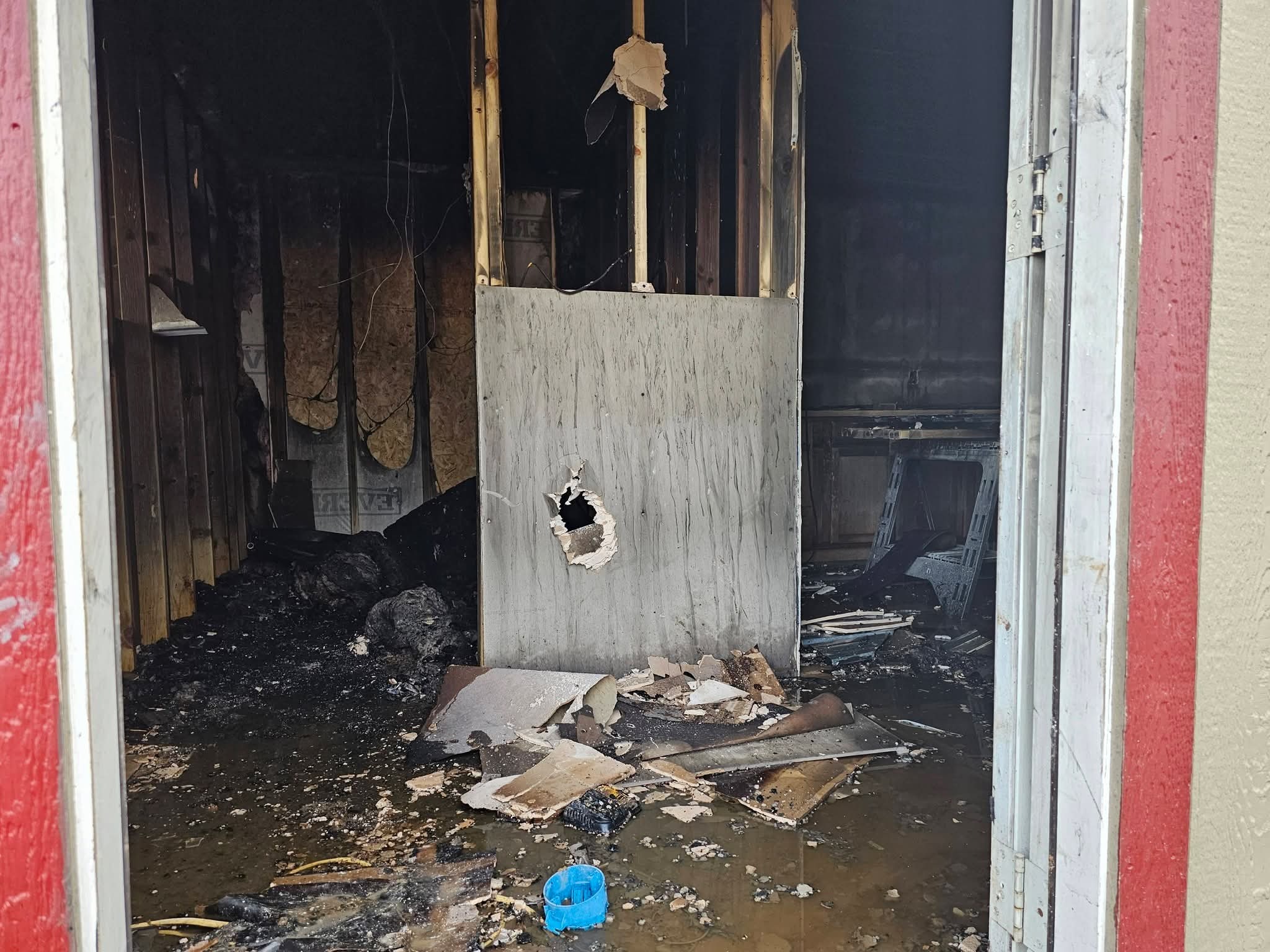
- Photographic documentation – Images of the scene, building layout, and any hazardous conditions.
- Witness statements – Accounts from neighbors, building staff, or first responders.
- Maintenance records – Documents showing when safety systems were inspected or repaired.
Secure a copy of the police report and any insurance correspondence. These documents often contain crucial timelines and admissions of fault that can strengthen your case.
Determining the Right Defendant(s)
Identifying who can be held liable involves a careful review of the property’s ownership structure:
- Building owner – Holds ultimate responsibility for safety compliance.
- Property management company – May share liability if they failed to act on known hazards.
- Utility providers – In some cases, faulty electrical service can be a factor.
Consult a seasoned attorney to evaluate all potential defendants, ensuring no stone is left unturned.
Calculating Damages in a Fatal Apartment Fire Lawsuit
Damages aim to compensate for both tangible and intangible losses:
- Medical and funeral expenses – All out-of-pocket costs related to the death.
- Lost earning potential – Future income the deceased would have generated.
- Loss of companionship – Emotional distress suffered by family members.
- Punitive damages – Possible if the defendant’s conduct was especially reckless.
An expert appraiser may be necessary to quantify future losses, while a grief counselor can help document emotional damages.
Filing the Complaint and Statute of Limitations
Timing is critical. Most states impose a statute of limitations ranging from two to four years for wrongful death claims. To file the complaint:
- Draft a complaint that outlines facts, legal claims, and the relief sought.
- Serve the complaint on the defendant(s) following state rules.
- File the documents with the appropriate court and pay the filing fee.
Failing to file within the statutory period can result in dismissal, so act promptly.
Working with an Experienced Personal Injury Attorney
While it’s possible to proceed alone, a lawyer who specializes in wrongful death and construction law brings indispensable expertise:
- They can navigate procedural nuances and jurisdictional quirks.
- They’ll handle discovery, depositions, and negotiations with insurers.
- They provide realistic expectations about settlement ranges or trial outcomes.
Many attorneys offer a contingency fee arrangement, meaning they only get paid if you win.
What to Ask When Consulting an Attorney
Choosing the right counsel hinges on transparency and track record. Ask about:
- Previous wrongful death cases and their results.
- Typical timelines from filing to resolution.
- How they plan to build your case and assess liability.
Informed questions help you gauge the firm’s competence and fit for your case.
FAQ
Q1: How long after a fatal apartment fire can I file a lawsuit?
A1: The statute of limitations typically ranges from two to four years, but this varies by state. Check local laws to determine your deadline.
Q2: Who is usually sued in a fatal apartment fire case?
A2: Building owners, property managers, and sometimes utility companies are common defendants, depending on the fire’s cause.
Q3: Can I recover emotional damages from a wrongful death suit?
A3: Yes, loss of companionship and grief are generally compensable, but proving the extent of emotional harm can require expert testimony.
Q4: What if the insurance company offers a low settlement?
A4: An attorney can negotiate a fair amount or take your case to court if the offer falls short of the damages you’ve documented.