Find Your Perfect Nike Shoe Size: A Step‑by‑Step Guide
If you’ve ever wondered how to find your perfect Nike shoe size, you’re not alone. A mismatched pair can ruin a run, a workout, or even a casual day out. Luckily, the process isn’t as mysterious as it seems—just a few simple measurements and a bit of brand‑specific know‑how.
Why Nike Sizing Can Be Tricky
Nike uses its own sizing system, which doesn’t always line up perfectly with generic US or EU charts. The brand often tailors the fit to the sport the shoe is built for—running shoes may feel snugger, while lifestyle sneakers can have a little extra room. This means the same numeric size can feel different across models.
Step 1: Measure Your Feet at Home
Start with a hard surface, a piece of paper, and a pen. Follow these steps:
- Place the paper on the floor, heel against a wall.
- Stand naturally, weight evenly distributed.
- Mark the longest point of your toe (often the big toe or second toe).
- Mark the back of the heel.
- Measure the distance between the two marks in centimeters or inches.
Do this for both feet; most people have a slight size difference. Use the larger measurement when selecting shoes.
Step 2: Convert Your Measurement to Nike’s Size Chart
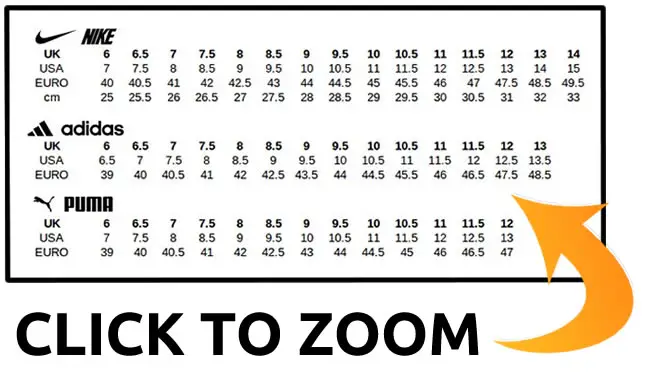
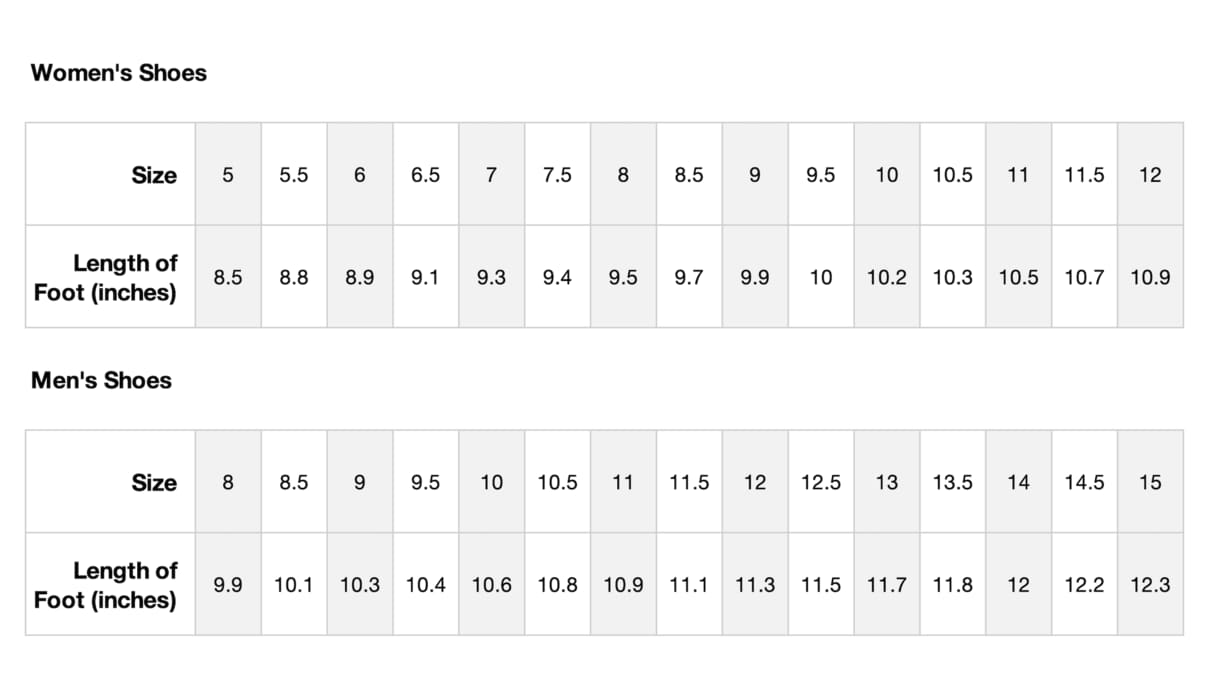
Nike provides a detailed chart linking foot length to its internal sizing. Here’s a quick reference for men’s and women’s US sizes:
- Men’s 7 ≈ 25.0 cm, 8 ≈ 25.5 cm, 9 ≈ 26.0 cm, 10 ≈ 26.5 cm
- Women’s 5 ≈ 23.0 cm, 6 ≈ 23.5 cm, 7 ≈ 24.0 cm, 8 ≈ 24.5 cm
If your measurement falls between two sizes, Nike typically recommends rounding up, especially for performance shoes where a snug fit is essential for stability.
Step 3: Factor in Sock Thickness and Foot Shape
Do you wear thin running socks or thick compression sleeves? Heavier socks add roughly 0.5 cm to the effective foot length. If you have a high arch or a wide forefoot, you may also need a half‑size larger or a “Wide” option (Nike offers “W” width on select models).
Step 4: Try Them On (If Possible)
When you can, test the shoes in a store. Follow this quick checklist:
- Make sure the heel sits firmly—no slipping when you walk.
- Leave about a thumbnail’s width (≈ 1 cm) between the longest toe and the front of the shoe.
- Walk, jog, or do a quick squat to feel the forefoot’s pressure points.
- Check the “break‑in” feeling; some Nike models, like the Air Max, feel tighter initially but loosen up.
If the shoe feels too tight at the toe but the heel is secure, consider the next half‑size up.
Step 5: Buying Online With Confidence
Online shoppers can still nail the right fit by using these tactics:
- Read the specific model’s reviews—users often note if a shoe runs small or large.
- Check the retailer’s return policy; free returns make size experimentation low‑risk.
- Use Nike’s “Fit Predictor” tool if you have a Nike account; it learns from your past purchases.
When in doubt, order two sizes and return the one that feels off. It’s a small price to pay for comfort.
Common Pitfalls to Avoid
Even seasoned sneakerheads slip up sometimes. Here are the most frequent mistakes:
- Measuring only in the evening. Feet swell throughout the day; measure when you’re at your largest.
- Skipping the toe‑to‑front clearance. A shoe that feels perfect at the heel but crams the toes will cause blisters.
- Assuming all Nike shoes fit the same. Each line—Zoom, React, Free—has its own cut.
- Ignoring the break‑in period. Some models, especially leather‑based ones, need a few wears to soften.
Quick Recap Checklist
- Measure both feet on a hard surface, record the longer length.
- Match that length to Nike’s size chart, round up if in between.
- Adjust for sock thickness and foot width.
- Try on in‑store or order two sizes online.
- Use reviews and return policies to fine‑tune your choice.
FAQs
Do Nike shoes run true to size?
It varies. Running shoes often run a half‑size small, while lifestyle sneakers may be true to size. Checking model‑specific reviews is the safest bet.
Can I use a standard US size chart for Nike shoes?
Not reliably. Nike’s internal chart accounts for foot length in centimeters, which can differ from generic US charts. Converting your measurement using Nike’s chart gives the most accurate result.
How many times can I return Nike shoes bought online?
Most major retailers offer a 30‑day return window with free shipping. Always verify the specific store’s policy before ordering.
Is it worth buying a half‑size larger for wide feet?
Yes, especially for models without a dedicated “Wide” version. A half‑size up usually provides enough room without sacrificing support.