Granulated Sugar: The Everyday Sweetener Explained
When you reach for a sweetener in the pantry, the first choice for many is the humble granulated sugar. It’s the backbone of countless desserts, the secret ingredient in sauces, and the most common sugar form in households worldwide. If you’re wondering what makes it so versatile—or if you’re simply curious about its production, types, and impact on health—this guide unpacks every facet of granulated sugar.
What Exactly Is Granulated Sugar?
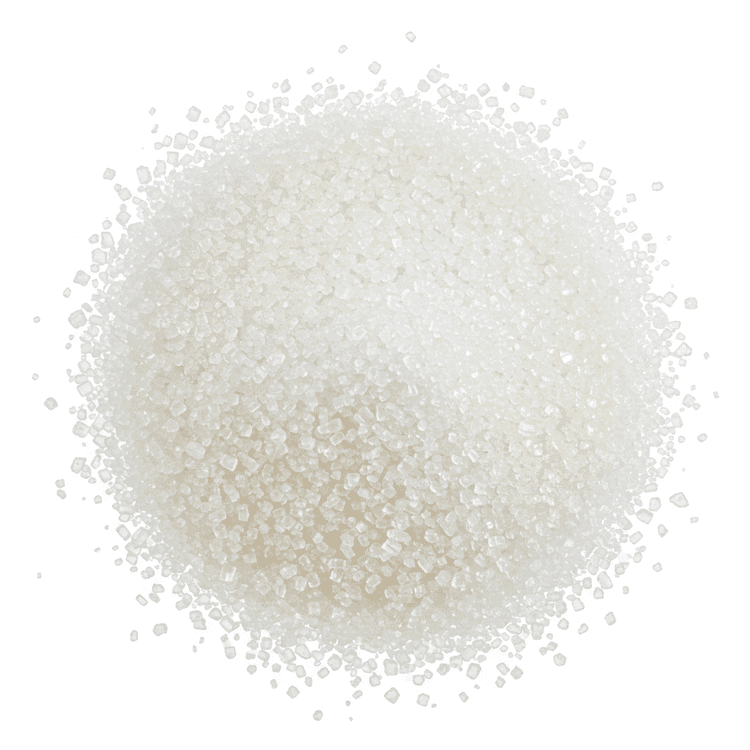
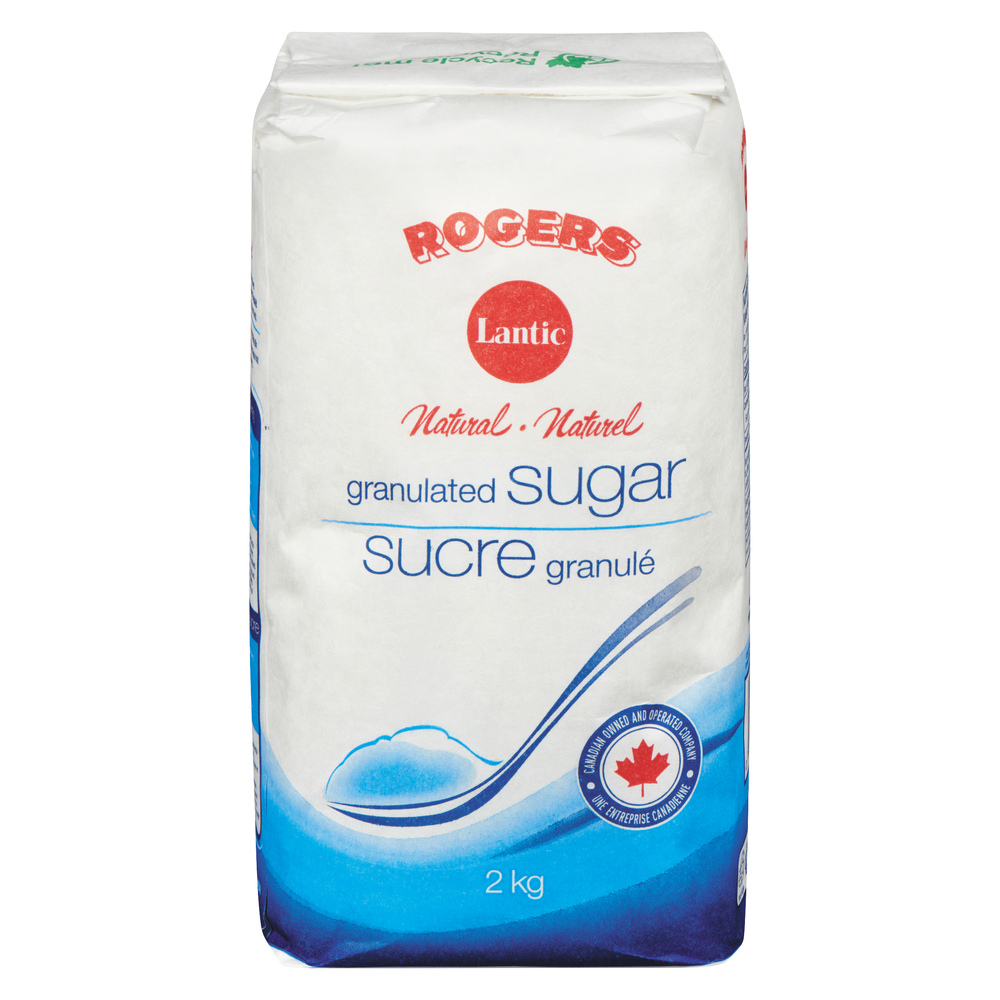
Granulated sugar, also known as white table sugar, is a refined crystalline sweetener made from either sugarcane or sugar beet. Its fine, free-flowing crystals come from a multi-step process that removes impurities, color, and molasses, leaving behind pure sucrose. The result is a neutral-tasting, high-energy ingredient that dissolves quickly, making it ideal for baking, beverages, and sauces.
From Field to Fork: How Granulated Sugar Is Made
- Harvesting – Sugarcane stalks are cut down, while sugar beet roots are pulled from the ground. Both crops require careful handling to preserve quality.
- Extraction – The harvested plant material is processed to extract raw juice (cane) or puree (beet). Juice is clarified to remove solids.
- Purification – The clarified liquid undergoes carbon dioxide or activated charcoal treatment to eliminate color and impurities.
- Evaporation – The clarified juice is concentrated into a thick syrup by evaporating excess water under heat.
- Cryocrystallization – The syrup cools and crystallizes, forming sugar crystals that separate from the liquid (molasses).
- Drying and Milling – The crystals are washed, dried, and milled to the desired granule size, yielding the familiar white sugar we see on the shelf.
Different Flavors of the Same Sweetness
While granulated sugar is the most common, the sugar market offers a spectrum of alternatives, each with distinct characteristics:
- Raw or Turbinado Sugar – Slightly coarser crystals with a hint of molasses flavor, offering a subtle caramel note.
- Brown Sugar – Contains more molasses; available as light or dark, providing richer taste and moisture retention.
- Organic Granulated Sugar – Grown without synthetic pesticides, yet processed the same way.
- Low‑Calorie Sweeteners – Stevia, erythritol, or maltitol mimic granulated sugar’s bulk without the same caloric load.
Why It’s a Baking Staple
Granulated sugar’s chemistry makes it a baker’s best friend:
- Sweetness & Bulk – Provides the base sweetness and volume needed for doughs.
- Structure – During baking, sugar caramelizes, contributing to texture, color, and flavor development.
- Moisture Retention – Sugar attracts and holds water, keeping baked goods tender longer.
- Yeast Fermentation – In breads, sugar feeds yeast, producing carbon dioxide that leavens the dough.
Health Considerations: Sweetness, Calories, and More
Granulated sugar delivers roughly 4 calories per gram, offering quick energy but no essential nutrients. Overconsumption has been linked to weight gain, type 2 diabetes, and dental problems. Moderation is key, and many health experts recommend limiting added sugars to no more than 10% of daily caloric intake.
Alternatives exist that mimic the functional properties of granulated sugar while reducing caloric load or glycemic impact. However, each option may require recipe adjustments. For instance, a 1:1 substitution with stevia can leave baked goods dry, whereas erythritol can cause a cooling aftertaste.
Storing the Sweetness: Keeping It Fresh
Granulated sugar is naturally stable, but proper storage prolongs its quality:
- Keep it in a sealed container to avoid moisture absorption.
- Store in a cool, dry place away from strong odors, as sugar can absorb smells.
- Check for clumps; if they appear, sprinkle a little flour or cornstarch and stir.
- Use within a year for maximum freshness, though it remains safe beyond that.
Frequently Asked Questions
Can I substitute granulated sugar with honey or maple syrup in baking?
Yes, but honey or maple syrup adds moisture and a distinct flavor. Use 3/4 cup of honey for each cup of sugar and reduce the liquid in the recipe by 1/4 cup.
What happens if I use too much granulated sugar in a cake?
Excess sugar can cause the batter to be overly dense, produce a sweet, sticky crumb, and inhibit proper rise.
Is granulated sugar truly “white” in all markets?
In most countries, granulated sugar is processed to a near-absolute white color. However, some regions offer lightly colored variants that still fall under the granulated category.
Does granulated sugar dissolve differently in cold drinks?
Because of its fine granules, it dissolves relatively quickly even in cold liquids, but stirring or warming the drink can improve solubility.