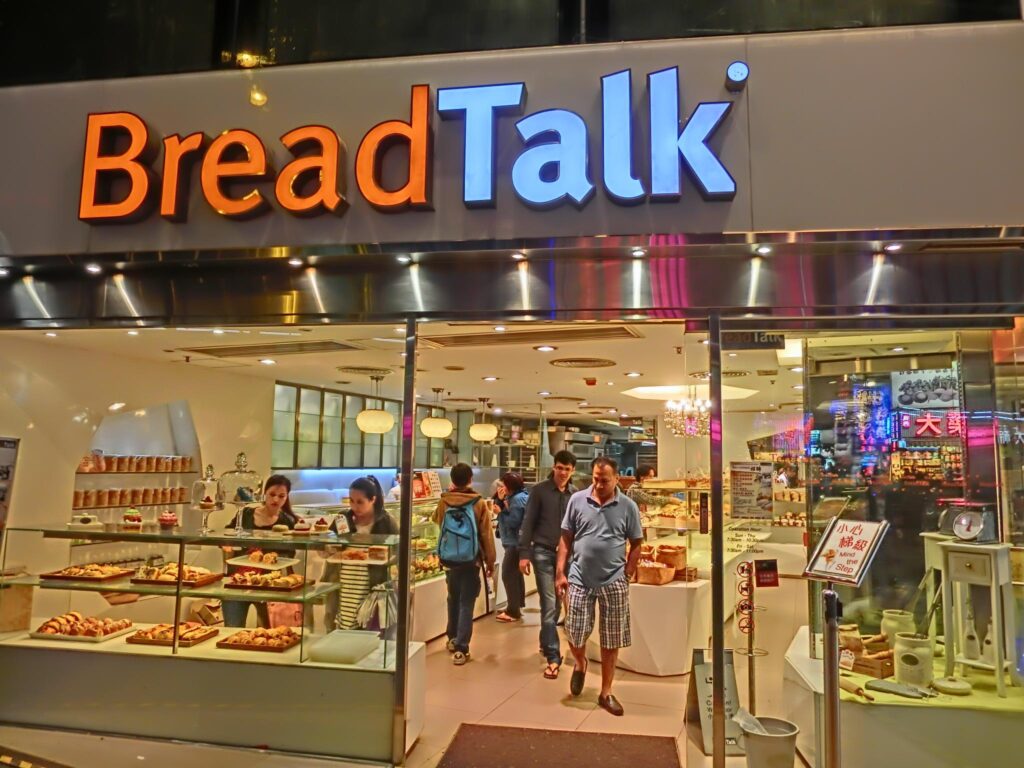
How BreadTalk Indonesia Became a Sweet Success Story
When BreadTalk first stepped onto Indonesia’s bustling streets, the bakery chain brought more than just its signature fluffy buns. It introduced a fresh, Western‑inspired bakery experience that quickly found a home among Indonesians who love both tradition and novelty. Today, BreadTalk Indonesia is a recognizable name in malls from Jakarta to Surabaya, proving that a well‑timed mix of product adaptation, savvy marketing, and community focus can turn a foreign brand into a local favorite.
The Early Years: Entering the Indonesian Market
BreadTalk launched its Indonesian venture in the early 2010s, a period when the country’s middle class was expanding rapidly and mall culture was thriving. The first outlet opened in a high‑traffic shopping centre in Jakarta, positioning the brand alongside established local bakeries and international chains. By offering a clean, modern store design and an open‑kitchen concept, BreadTalk differentiated itself from the more traditional, often hidden‑bakery setups that dominated the scene.
Initial reception was cautiously optimistic. Consumers appreciated the novelty of seeing bakers at work, yet many were still unfamiliar with items like the Flosss bun or the signature Sea Salt Cheese roll. The brand responded by training staff to explain the concepts in Bahasa Indonesia, turning each purchase into a mini‑educational moment.
Tailoring the Menu to Local Tastes
One of the smartest moves BreadTalk Indonesia made was to weave local flavors into its core offerings. Rather than sticking rigidly to the Singaporean menu, the chain introduced variations that resonated with Indonesian palates:
- Durian Delight: A custard‑filled bun that celebrates the “king of fruits,” a staple at family gatherings.
- Kaya Toast Twist: Incorporating the beloved coconut‑egg jam into pastries, giving a familiar taste a new shape.
- Green Tea Matcha: A nod to the rising tea‑culture among urban youth, paired with a soft, slightly bitter crumb.
These localized items coexist with global hits, creating a menu that feels both familiar and exciting. The approach also allowed BreadTalk to test seasonal releases, such as festive pandan cakes during Ramadan, without alienating core customers.
Building a Brand Community
Beyond product tweaks, BreadTalk Indonesia invested heavily in community engagement. Social media platforms, especially Instagram and TikTok, became testing grounds for new ideas. The brand often runs “DIY bun” challenges, encouraging followers to share their own creative toppings. Winners get featured on the official page and receive limited‑edition vouchers—a win‑win that fuels user‑generated content while driving foot traffic.
In‑store events further cement loyalty. Monthly “Baker’s Day” invites patrons to watch live demonstrations, ask questions, and even sample upcoming items before they hit the shelves. Such experiences turn casual shoppers into brand advocates who proudly recommend BreadTalk to friends and family.
Digital Convenience Meets Traditional Service
Recognizing Indonesia’s fast‑growing e‑commerce landscape, BreadTalk rolled out an app that integrates online ordering, loyalty points, and location‑based promotions. The app’s interface mirrors the brand’s clean aesthetic, and push notifications highlight flash sales that often sell out within minutes, creating a sense of urgency that mirrors the excitement of a limited‑time bakery display.
Overcoming Challenges in a Competitive Landscape
Success didn’t come without hurdles. Local bakeries, some with decades of heritage, initially viewed BreadTalk as a competitor threatening their market share. To address this, BreadTalk emphasized collaboration over confrontation, partnering with Indonesian coffee roasters for exclusive beverage pairings. This synergy not only diversified the menu but also demonstrated respect for local craftsmanship.
Supply chain logistics posed another obstacle. Importing certain ingredients while maintaining consistent quality across a sprawling archipelago required a hybrid model: some components were sourced from regional hubs, while others were produced locally under strict quality controls. This balance helped keep costs manageable and ensured freshness—a critical factor for a bakery.
Looking Ahead: Growth and Innovation
Today, BreadTalk Indonesia operates dozens of outlets across major cities and continues to explore untapped markets in secondary urban centers. The brand’s roadmap includes expanding its plant‑based range, reflecting the growing interest in healthier, sustainable options among Indonesian consumers.
Future store concepts are also in the works. Early prototypes feature modular layouts that can be reconfigured for pop‑up events, allowing the bakery to appear at festivals, university campuses, and corporate campuses without the overhead of a permanent location. If these experiments succeed, they could redefine how bakery chains engage with a mobile, experience‑seeking audience.
Frequently Asked Questions
What makes BreadTalk popular in Indonesia?
BreadTalk blends Western bakery aesthetics with Indonesian flavors, offers a transparent open‑kitchen experience, and actively engages customers through social media challenges and in‑store events.
Where can I find BreadTalk locations?
Most outlets are situated inside major shopping malls in Jakarta, Surabaya, Bandung, and other urban centers. The BreadTalk app provides a store‑finder feature that pinpoints the nearest bakery.
Does BreadTalk offer vegetarian or vegan options?
While the core menu leans toward traditional baked goods, the chain has introduced several plant‑based pastries and is testing fully vegan items in select locations.
How does BreadTalk ensure product freshness across the archipelago?
The bakery uses a hybrid supply chain: key ingredients are imported in bulk, while many components are produced locally under strict quality standards, allowing each outlet to bake fresh daily.