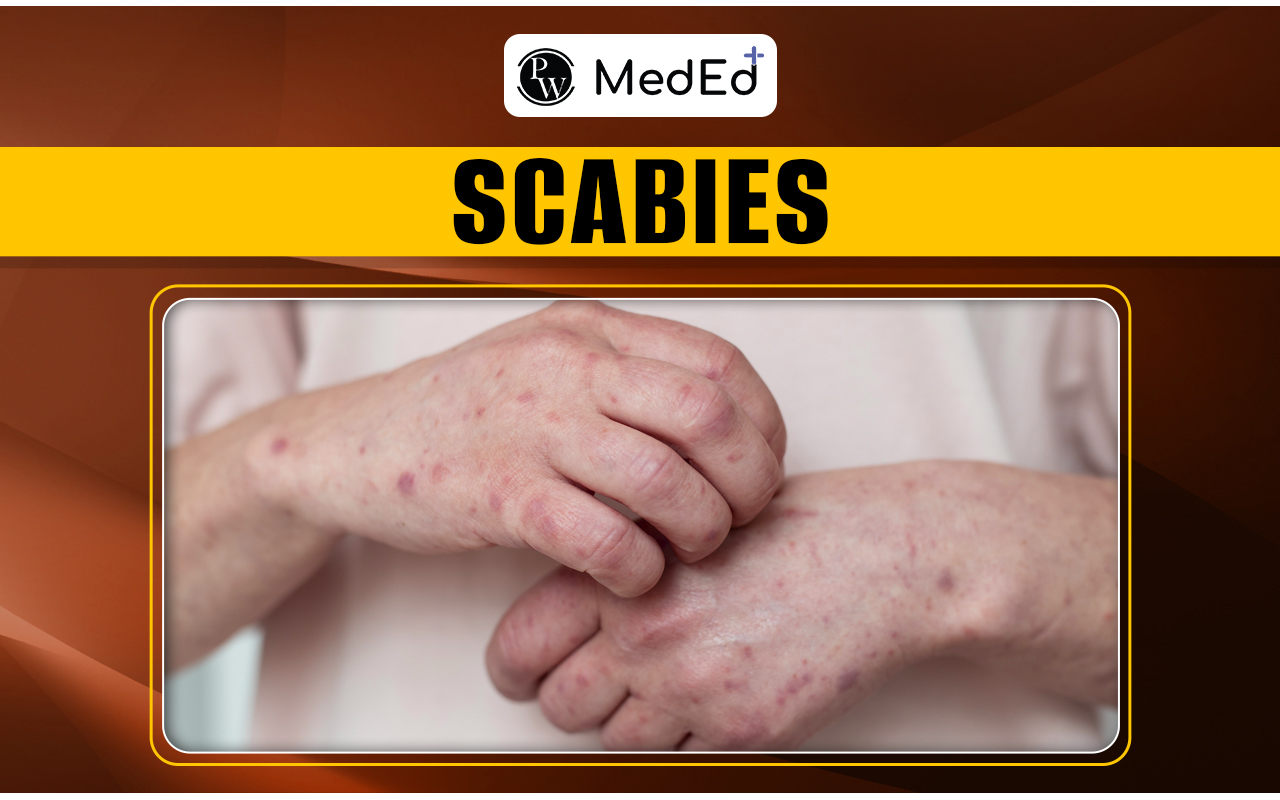
How Fast Can Scabies Treatment Heal Your Skin?
Scabies is a skin condition that’s both itchy and contagious, but once you start treatment, most people begin to feel better within a few weeks. Understanding the typical healing timeline, what drives it, and how to support your body can help you set realistic expectations and speed recovery.
What Scabies Looks Like and How It’s Treated
Scabies is caused by the mite Sarcoptes scabiei burrowing into the epidermis. The classic symptoms are intense itching—especially at night—and a rash of small bumps or blisters. Diagnosis is usually confirmed by a visual inspection of burrows or a skin scraping.
Most doctors prescribe a topical scabicide: permethrin cream 5 % applied from the neck down, left on for 8–14 hours, and washed off the next day. Alternatives like ivermectin tablets are used when topical agents are ineffective or contraindicated. In either case, the goal is to kill both adult mites and their eggs.
Typical Healing Timeline for Scabies Treatment
After the first dose, the itch usually begins to subside within 3–5 days. The rash may linger longer; it often takes 2–3 weeks for the skin to return to normal once the mites are gone. If a second treatment is required, most patients notice marked improvement after the second round, usually within a week of the follow‑up dose.
In practice, this means you might still see bumps and feel itchy for a fortnight, even though the mites are dead. The body is simply clearing out the debris and inflammation that the mites created.
Why Some People Heal Faster
- Prompt treatment: Starting medication soon after symptoms appear cuts the mite’s reproductive cycle short.
- Good hygiene: Washing clothes and bedding in hot water removes any eggs that may have fallen onto fabric.
- Compliance with instructions: Leaving the cream on for the full 12–14 hours is critical; premature removal can leave live mites alive.
- Immune response: Individuals with robust immune systems may resolve inflammation faster.
When Healing Might Take Longer
- Reinfection: Contact with an untreated person or contaminated items can restart the cycle.
- Secondary infections: Bacterial superinfection from scratching can delay skin recovery.
- Skin conditions: Eczema or psoriasis can complicate the clinical picture and prolong itch.
- Impaired immunity: Diabetes, HIV, or immunosuppressive drugs may slow down healing.
Monitoring Progress and When to Call a Doctor
Track the intensity of itching and the appearance of new lesions. If you notice a spike in symptoms after the first dose—especially a sudden return of intense itching—it may indicate that the initial treatment didn’t fully eradicate the mites. This is a sign to revisit your doctor for a second prescription or an alternative medication.
If you have a bacterial skin infection, the rash can become red, warm, or pus‑filled. In that case, antibiotics and a wound‑care plan become necessary, and healing can take an additional week or two.
When to Seek Immediate Medical Attention
- Severe, unrelenting itching that doesn’t improve after 3–5 days.
- Rash spreading to new areas such as the scalp, face, or genitals.
- Signs of secondary infection: fever, chills, or pus.
- Signs of allergic reaction to the medication: swelling, difficulty breathing, or rash beyond the treated area.
Supporting Your Body Through Recovery
Once the mites are dead, your skin’s immune response takes over. Here are simple ways to aid that process:
- Use soothing lotions: A fragrance‑free moisturizer can calm irritation and help restore the skin barrier.
- Take antihistamines: A non‑sedating antihistamine can reduce nighttime itching and help you sleep.
- Keep nails trimmed: Short nails minimize skin damage from scratching and reduce the risk of bacterial superinfection.
- Maintain a cool environment: Heat can exacerbate itching; a cool room helps keep the skin calm.
Preventing Spread During the Healing Period
Even after you’ve started treatment, the mites can still live for up to 48 hours on clothing or bedding. Wash all items in hot water (at least 50 °C) and dry on the highest heat setting. Vacuum carpets and upholstered furniture; discard vacuum bags if possible. Treat close contacts simultaneously to cut off the transmission cycle.
What to Avoid While Healing
- Using harsh soaps or body washes that strip natural oils.
- Sharing towels or personal items.
- Skipping the second treatment if your doctor recommended it.
- Applying unprescribed topical creams or lotions that may irritate the skin further.
Frequently Asked Questions
Can I use over‑the‑counter lotions to cure scabies? No, scabies requires prescription-strength scabicides such as permethrin or ivermectin. OTC products may provide temporary relief but won’t eliminate the mites.
Will scabies leave permanent scars? Typically no. Scars may appear if you scratch heavily and develop secondary infections, but most lesions heal without lasting marks.
How long do the mites survive after treatment? If the cream is applied correctly, the mites die within 8–12 hours. Any eggs left on clothing or bedding can hatch in 2–3 days if not destroyed by washing or heat.
Is it normal to feel itchy for weeks after treatment? Yes. The itch is due to the body clearing debris and healing inflammation. It usually eases significantly after 2–3 weeks.