How High-Paying Tech Degrees Can Accelerate Your Career
In a job market where the line between “good enough” and “great” can be razor‑thin, a high‑paying tech degree often feels like a fast‑track ticket. Not every diploma guarantees a six‑figure salary, but certain programs consistently open doors to roles that pay well above the median for their field. If you’re weighing the time, tuition, and effort of graduate study against a potential pay bump, understanding which degrees truly move the needle is the first step toward a smarter career move.
Why Salary Still Matters in Tech
Tech salaries have risen faster than most other sectors, yet the variance is huge. A software engineer in a major hub can earn twice as much as a peer working the same stack in a smaller city. That disparity often stems from the type of degree and the reputation of the institution behind it. Employers use credentials as a proxy for both technical depth and problem‑solving stamina, especially when sifting through hundreds of applications. A degree that signals mastery of high‑impact technologies can shave years off the typical climb to senior or lead positions.
Top High-Paying Tech Degrees to Consider
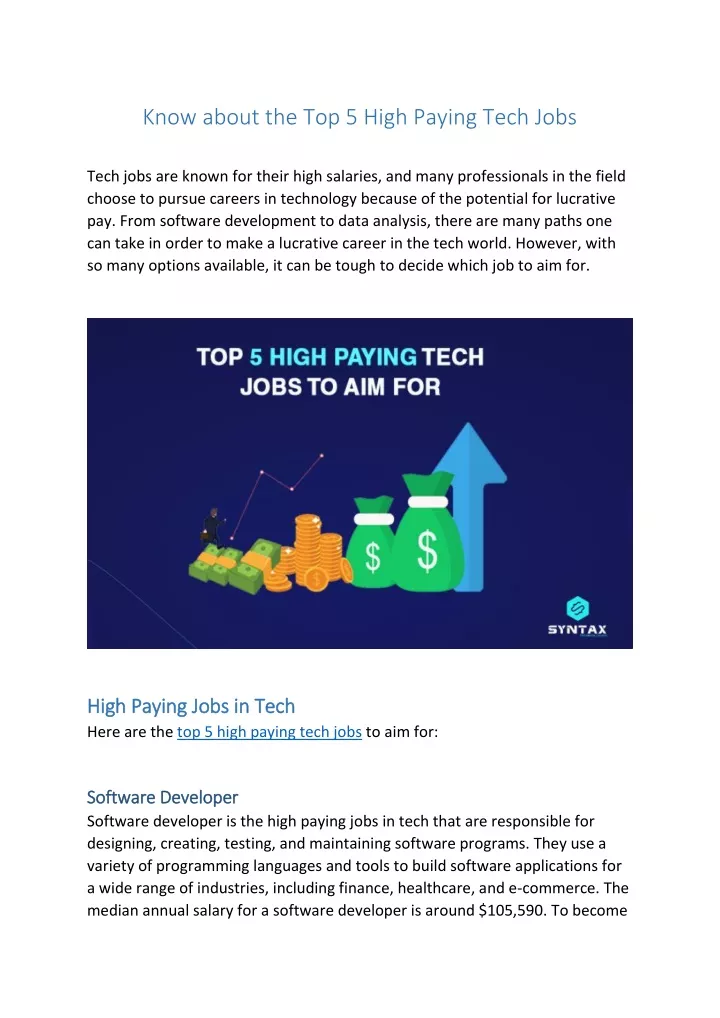
- Computer Science (M.S. or Ph.D.) – Continues to dominate salary surveys, especially with specializations in artificial intelligence, cybersecurity, or data science.
- Data Analytics / Business Intelligence – Companies hunger for professionals who can turn raw data into actionable insights; the median salary often tops $120,000.
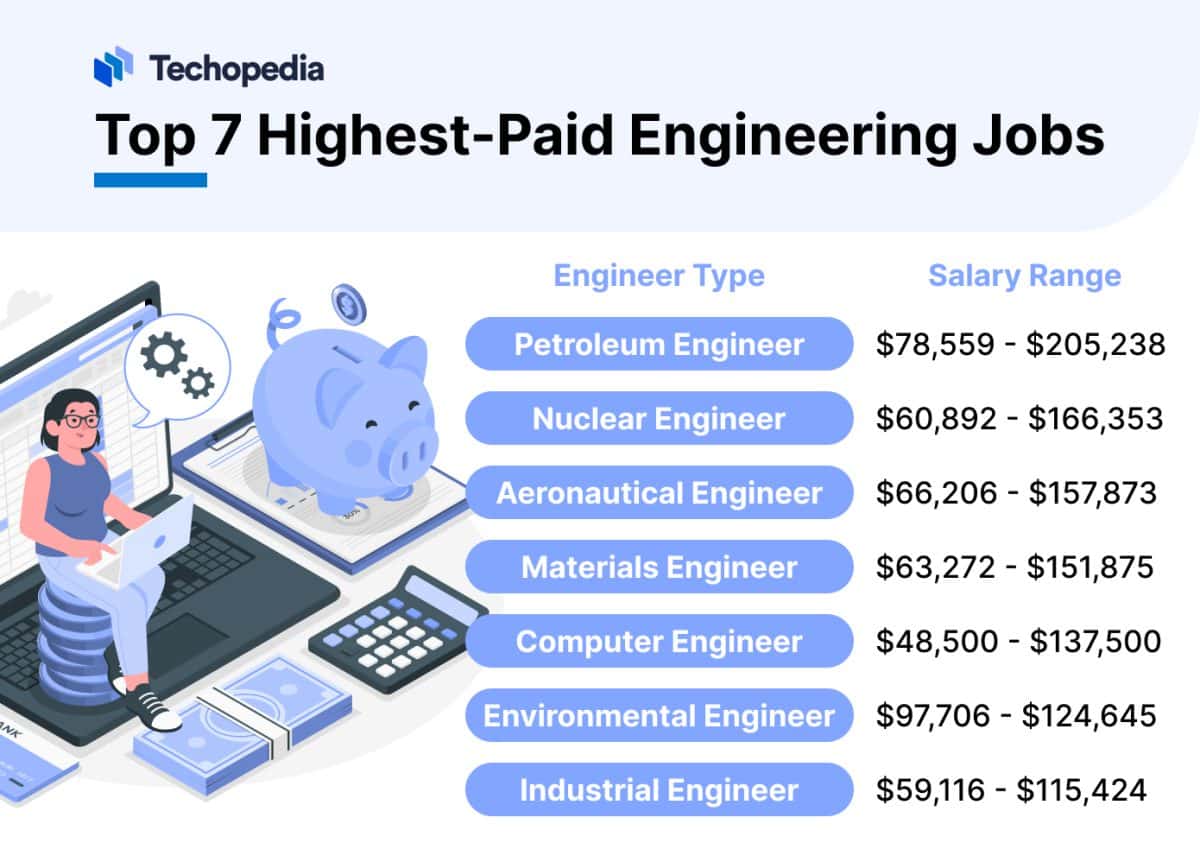
- Electrical Engineering (with a focus on hardware‑software integration) – Powers sectors like autonomous vehicles and IoT, where engineers command premium wages.
- Information Systems Management – Bridges the gap between tech and business, preparing graduates for high‑level consulting or chief information officer tracks.
- Cybersecurity – With breaches costing billions, demand for certified experts is soaring, and salaries reflect that urgency.
These programs share a common thread: they blend deep technical foundations with real‑world applications that directly impact revenue streams.
What to Expect From the Curriculum
Most high‑paying tech degrees are structured around three pillars: core theory, hands‑on projects, and industry collaboration. Expect rigorous coursework in algorithms, systems design, and statistical modeling, coupled with labs that simulate production environments. Many universities now partner with tech firms for capstone projects, giving students a chance to solve actual business problems before they graduate. Internships, too, are not optional; they’re woven into the program timeline to ensure you leave with both a degree and a portfolio of deliverables.
Choosing the Right Program for Your Goals
Not all degrees are created equal, and the “best” choice depends on where you see yourself in five to ten years. If you crave the flexibility to hop between startups and big tech, a broad‑based computer science master’s might be ideal. If you prefer a niche that’s already in high demand, cybersecurity or data analytics could be more rewarding. Look for programs that offer:
- Accreditation and strong industry ties.
- Electives that align with emerging tech, such as quantum computing or edge AI.
- Mentorship or alumni networks that can open doors post‑graduation.
Also, weigh the cost‑benefit ratio. Some prestigious schools charge tuition that rivals a year’s salary, but they also boast placement rates that justify the investment.
Beyond the Degree: Leveraging Your Credential
Earning a degree is only half the battle; leveraging it effectively can multiply its value. Start by updating your LinkedIn profile with concrete project outcomes—mention the technologies used and the measurable impact. Attend conferences and hackathons; the networking opportunities often translate into freelance gigs or full‑time offers. Finally, consider certifications that complement your degree—think AWS Certified Solutions Architect for cloud‑focused grads or Certified Information Systems Security Professional (CISSP) for security specialists. These add-ons signal that you stay current, a trait employers prize.
FAQ
Do high‑paying tech degrees guarantee a six‑figure salary?
Not automatically. While graduates from these programs often start with salaries above $100,000, individual outcomes depend on experience, location, and how well you market your skills.
Can I switch careers into tech with a new degree, or is prior experience required?
Many programs welcome students from non‑tech backgrounds, offering bridge courses to fill knowledge gaps. However, hands‑on experience—through internships or personal projects—greatly smooths the transition.
Is a master’s degree more valuable than a bootcamp for high‑paying roles?
Bootcamps are excellent for rapid skill acquisition, but a master’s typically carries more weight for senior or specialized positions, especially in research‑intensive fields.