How I3D Concrete Printing Is Transforming Malaysia’s Construction
Concrete 3‑D printing, often shortened to I3D (Industrial 3‑Dimensional) printing, is slipping into the mainstream of Malaysia’s building scene. What once sounded like science‑fiction is now popping up on job sites, promising faster timelines, less waste, and designs that were impossible with traditional formwork. In the next few minutes we’ll unpack how the technology works, why it fits Malaysia’s unique market, and what real‑world projects are already showing its potential.
What exactly is I3D concrete printing?
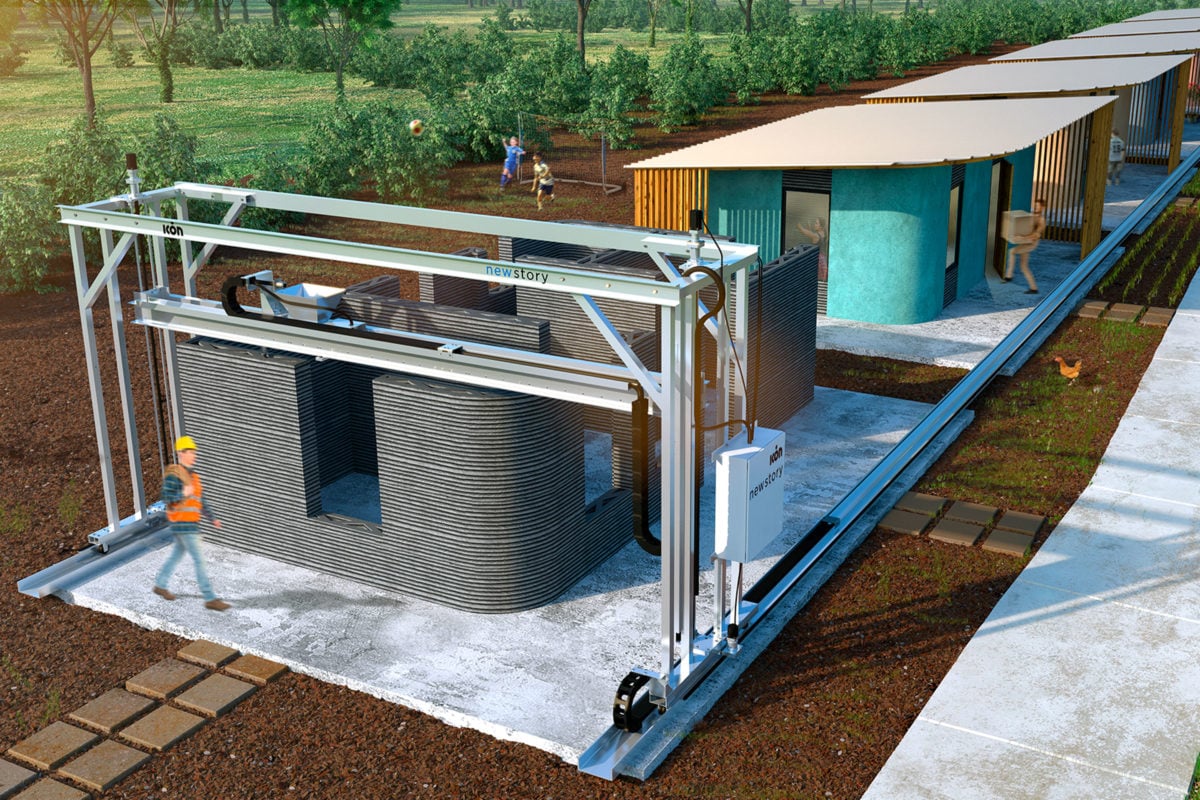
At its core, I3D printing deposits layers of specially formulated concrete through a nozzle that moves along multiple axes—typically X, Y, and Z—much like a giant desktop printer. The mixture contains additives that keep it fluid enough to flow, yet stiff enough to hold its shape once laid. As each thin slice hardens, the printer builds up walls, columns, or even intricate façade elements without the need for molds.
This process differs from “extrusion” methods used for plastic or metal. Concrete’s heavier weight and curing behavior demand precise control of temperature, humidity, and extrusion speed. Modern machines therefore integrate sensors, real‑time feedback loops, and even AI‑assisted calibration to keep the print within tolerance.
Why Malaysia is embracing the technology
Several local factors make Malaysia fertile ground for I3D printing. First, the country’s rapid urbanisation has created a chronic shortage of affordable housing, pushing developers to look for faster, cost‑effective construction methods. Second, Malaysia’s climate—hot, humid, and prone to heavy rains—means traditional formwork can be delayed or compromised, whereas printed concrete can be sealed and cured more predictably.
Lastly, government initiatives such as the “National Innovation Agency” grants and the “Malaysia Made” campaign are actively subsidising high‑tech manufacturing, including additive construction. These incentives lower the entry barrier for startups and established contractors alike, encouraging a small but growing ecosystem of local printers, material suppliers, and training institutes.
The tangible benefits for builders and owners
When you weigh the pros, a few recurring themes appear across case studies and industry reports:
- Speed. A typical two‑storey slab that might take weeks with conventional formwork can be printed in a matter of days.
- Material efficiency. Because the printer deposits concrete only where needed, waste drops dramatically—often under 5 % compared with cast‑in‑place methods.
- Design freedom. Complex geometries—think organic curves, honeycomb infills, or integrated conduits—are achievable without extra tooling.
- Labor savings. Fewer carpenters and formwork crews are required, which helps mitigate the chronic shortage of skilled construction workers in the region.
These advantages translate into lower overall project costs, quicker occupancy, and, in many instances, a smaller carbon footprint thanks to reduced material usage.
Challenges on the road to widespread adoption
Despite its promise, I3D printing is not a plug‑and‑play solution. One hurdle is the need for specialised concrete mixes. Traditional ready‑mix formulas often lack the rheological properties required for smooth extrusion, prompting local firms to develop bespoke blends that balance pumpability with early‑strength gain.
Regulatory frameworks also lag behind. Building codes in Malaysia are still being updated to recognise printed components as “structural elements.” Until clear standards are codified, some developers hesitate to commit large budgets to the technology.
Finally, there’s a learning curve for the workforce. Operators must understand both the mechanical aspects of the printer and the chemistry of the mix, which means training programs are essential. Some universities have already launched dedicated modules, but scaling that education remains an ongoing effort.
Notable projects and what the future may hold
One of the earliest high‑visibility pilots was a 300‑square‑metre office façade in Penang, printed on‑site using a mobile unit from a local startup. The structure featured a lattice pattern that acted as both a sunshade and a decorative element, cutting cooling loads by an estimated 15 %.
More recently, a low‑cost housing initiative in Selangor employed printed concrete walls for a series of 20‑unit townhouses. The project demonstrated that, with proper planning, I3D printing can meet local building standards while keeping per‑unit costs competitive with conventional timber‑frame homes.
Looking ahead, industry insiders anticipate a shift from standalone components to fully printed modules—entire rooms, staircases, and even bathroom fixtures—all fabricated in a controlled environment before being shipped to the site. If supply chains and standards keep pace, the technology could become a mainstay for both urban high‑rises and rural community projects alike.
FAQ
Can I3D printed concrete meet the same strength requirements as traditional cast concrete?
Yes, when the mix is properly engineered and the printer is calibrated, the resulting material can achieve comparable compressive strength. Many tests in Malaysia have shown printed walls reaching 30 MPa, which aligns with standard building codes for low‑rise structures.
Is the technology suitable for seismic‑prone areas?
Printed components can be designed with built‑in reinforcement—such as embedded steel cages or fibre‑reinforced concrete—to enhance ductility. While research is ongoing, early results suggest that, with proper detailing, I3D structures can perform well under seismic loads.
How does the cost of an I3D‑printed building compare to a conventional one?
Initial capital outlay for the printer and specialised mix can be higher, but the savings in labor, formwork, and material waste often offset those expenses. In many Malaysian case studies, total project costs end up 5‑15 % lower than comparable conventional builds.