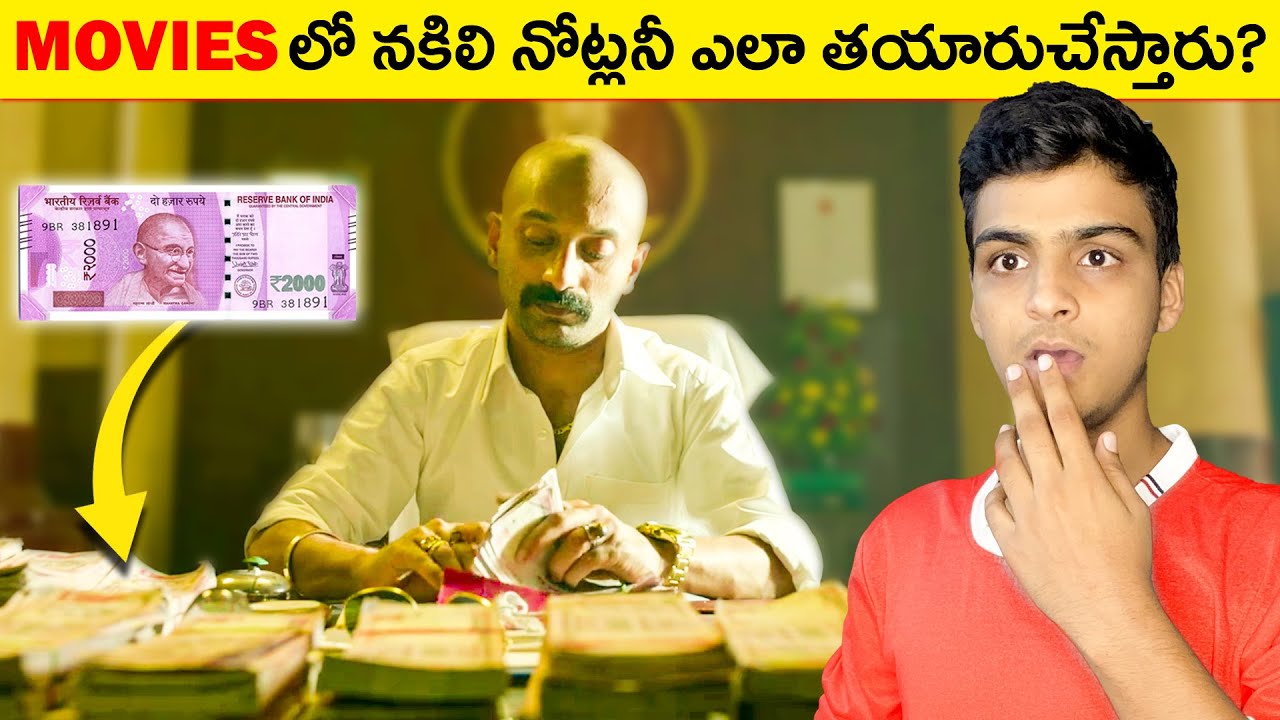
How Indian Films Reveal Complex Counterfeit Money Scams
When the silver screen flashes a pile of crisp notes, most viewers think of a big score or a dramatic chase. Yet, Indian cinema has long used those glossy bills to pull back the curtain on a darker reality: fake money schemes that ripple through neighborhoods, banks, and even politics. Indian movies unmasking the fake money schemes do more than entertain—they give us a gritty, sometimes unsettling look at how counterfeit currency is manufactured, circulated, and eventually cracked down upon.
Why Counterfeit Currency Makes a Compelling Film Plot
At first glance, a counterfeit‑note plot may seem like a simple heist device. In practice, it offers writers a toolbox of tension, moral ambiguity, and social commentary. A fake‑currency operation typically involves three moving parts: the creation of near‑identical notes, the distribution network that disguises them as legitimate cash, and the inevitable police or underworld crackdown. Each of those stages translates into visual drama—lab‑like printing presses, bustling street markets where notes change hands, and high‑stakes raids that keep audiences on the edge of their seats.
From the Printing Press to the Streets
Many Indian thrillers begin in a cramped workshop where a disgruntled chemist or a tech‑savvy youngster tinkers with ink formulas. The scene is often shot in low‑light, with the hum of a printer echoing the ticking clock of an impending bust. This visual cue does two things: it grounds the illegal act in a relatable, everyday setting, and it hints that the line between legitimate entrepreneurship and crime can be razor‑thin.
Distribution Networks: The Human Web
Once the counterfeit notes are ready, the story shifts to the bustling bazaars, auto‑rickshaws, and small shops that act as unwitting conduits. By showing a street vendor receiving a bundle of fresh bills, filmmakers illustrate how easily fake money can seep into ordinary transactions. The audience feels a pang of familiarity—perhaps recalling a time they received a note that felt “off” but passed inspection.
The Inevitable Collapse
Every good narrative needs a climax, and counterfeit money stories are no exception. A sudden police raid, an insider’s betrayal, or a financial audit often exposes the fraud. The resulting fallout—arrests, ruined families, and public outrage—provides a sobering reminder that these crimes leave real scars.
Signature Indian Movies That Tackle Counterfeit Money
While the theme pops up across genres, a handful of films have become reference points for how the industry portrays fake‑currency operations:
- “Khalnayak” (1993) – The antagonist’s gang is shown printing counterfeit notes to fund a larger crime wave, highlighting the link between fake money and organized crime.
- “Dhoom 2” (2006) – Although primarily a heist film, a subplot features a sophisticated counterfeiting ring that uses art forgery as a cover.
- “Munnabhai MBBS” (2003) – In a comic interlude, the protagonist unwittingly distributes fake notes, prompting a light‑hearted yet insightful look at how ordinary people can become entangled.
- “Joker” (2018, Malayalam) – The film’s gritty realism portrays a small‑town printing press that churns out counterfeit rupees, exposing the socioeconomic pressures driving such crimes.
These movies differ in tone—some are high‑octane action, others darkly comedic—but each uses the counterfeit money premise to ask larger questions about trust, desperation, and law enforcement.
What Audiences Learn From These Portrayals
Beyond thrills, viewers walk away with a practical awareness of the hallmarks of counterfeit currency. Filmmakers often showcase tell‑tale signs: mismatched serial numbers, slightly off‑center printing, and a faint feel when the note is handled. By embedding these details into the narrative, movies turn entertainment into a subtle public‑service announcement.
Moreover, the stories illuminate why fake money persists. Economic inequality, limited employment opportunities, and the lure of quick profit create fertile ground for counterfeiters. When a film shows a character turning to note‑forgery out of desperation, it forces the audience to confront systemic issues rather than simply label the offender as “evil.”
Impact on Law Enforcement and Policy
In several instances, the cinematic spotlight has spurred real‑world action. After the release of a high‑profile counterfeit‑currency drama, the Reserve Bank of India (RBI) issued updated guidelines for note verification, and police departments reported a spike in tip‑offs regarding suspicious printing operations. While it’s hard to quantify the exact influence, the correlation suggests that cinema can nudge institutions toward greater vigilance.
How Filmmakers Keep the Narrative Fresh
To avoid repetition, directors experiment with perspective. Some films follow the counterfeiter’s point of view, allowing the audience to empathize with their motives. Others adopt a procedural style, mirroring a detective’s step‑by‑step unraveling of the scam. The shift in viewpoint keeps the genre dynamic and prevents the trope from feeling stale.
Technology also adds new layers. Recent movies incorporate digital printing techniques and cryptocurrency laundering, reflecting contemporary concerns about how fake money evolves with the digital age. By staying current, Indian cinema ensures the counterfeit‑money plot remains relevant.
Frequently Asked Questions
Which Indian film first highlighted a counterfeit currency plot?
While earlier movies touched on forgery, the 1993 thriller “Khalnayak” is widely regarded as one of the first mainstream Hindi films to center a counterfeit‑money operation as a key element of its story.
Do Indian movies portray real methods used by counterfeiters?
Filmmakers often consult forensic experts to depict realistic printing techniques, ink formulations, and distribution tactics. However, artistic license means some details are exaggerated for dramatic effect.
Has any movie-inspired tip ever led to a real bust?
There have been reports of police investigations being launched after viewers recognized a printing method shown in a popular film. While exact outcomes are seldom disclosed, the incidents underscore cinema’s role in public vigilance.