How Neighborhood Hoodies Blend Style, Comfort, and Community
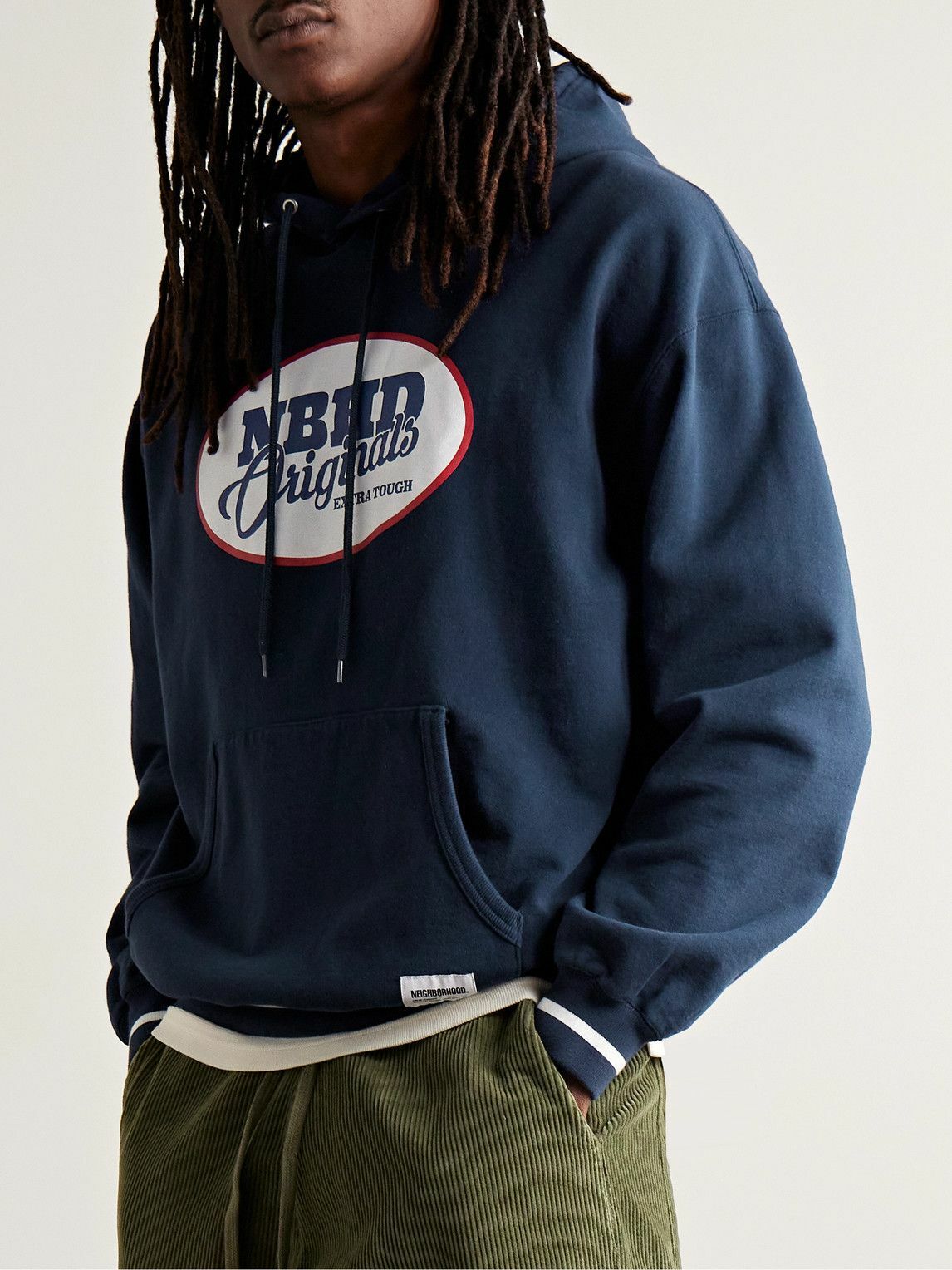
Walking down a quiet street, you might notice a subtle sea of colors—soft blues, muted grays, or a splash of local graffiti—each hoodie telling a story that belongs to the block you’re on. These are neighborhood hoodies, a garment that has quietly become a badge of belonging while delivering the coziness we all crave. Their rise isn’t just about fashion; it’s about how fabric can knit together style, comfort, and a sense of community.
The Rise of Neighborhood Hoodies
What began as a niche product for local sports teams and school clubs has exploded into a broader cultural trend. Small‑batch designers and community groups started printing zip‑up and pull‑overs with neighborhood names, street maps, or iconic landmarks. Social media amplified the movement, turning a simple hoodie into a shareable statement of pride. In many cities, you’ll now find pop‑up stalls at farmers markets selling limited runs that sell out before the sun sets.
Style That Speaks Local Identity
Beyond the logo, the aesthetic of a neighborhood hoodie is deliberately low‑key. Designers favor muted palettes that blend with urban surroundings, yet they often hide a clever detail—like a hidden pocket shaped like a city grid or a stitched emblem that glows under black light. These subtle touches let wearers recognize each other without shouting.
Because each design is tied to a specific area, the hoodie becomes a visual shorthand. Spot someone in a “Riverbend” hoodie, and you instantly know they likely share the same riverwalk jogging route, coffee shop, or weekend farmers market. That instant visual cue can spark a conversation you’d otherwise have to start from scratch.
Comfort Features That Keep You Cozy
When you choose a neighborhood hoodie, comfort isn’t an afterthought; it’s baked into the fabric choice. Most makers opt for a blend of organic cotton and recycled polyester, striking a balance between softness and durability. The following features are common across quality pieces:
- Mid‑weight fleece lining that offers warmth without bulk.
- Flat‑lock seams to reduce chafing on the shoulders.
- Adjustable drawstrings made from brushed yarn for a snug fit.
- Side kangaroo pockets lined with a smooth satin feel, perfect for phones or a quick hand‑warm.
Because many neighborhoods experience a range of climates—think chilly mornings and warm afternoons—designers often incorporate breathable mesh panels or moisture‑wicking cuffs. The result is a hoodie that feels right whether you’re waiting for the bus or strolling through a weekend street fair.
Building Community Through Shared Threads
There’s something undeniably bonding about wearing the same emblem as your neighbor. It’s a low‑key way to signal “I’m part of this place.” Community events—block parties, clean‑up days, or local art walks—often see clusters of residents sporting their neighborhood hoodie, instantly creating a visual sense of unity.
Some neighborhoods take it further by hosting “hoodie swaps,” where residents trade seasonal colors or limited‑edition designs. These swaps encourage interaction across age groups, turning a simple piece of clothing into a conversation starter about local history, upcoming projects, or shared memories.
Choosing the Right Hoodie for Your Area
Not every hoodie will suit every block, and a little research can make the difference between feeling like a tourist and blending in like a longtime resident.
First, consider the local vibe. A waterfront district might favor airy fabrics with nautical accents, while an artsy enclave could embrace bold prints and hand‑drawn illustrations. Second, think about the climate—if you endure crisp evenings, opt for a thicker fleece; if you’re in a milder zone, a lighter cotton blend may be sufficient.
Finally, support local artisans when possible. Many neighborhood hoodies are produced by small shops that source materials responsibly and reinvest profits into community projects, from park renovations to youth art programs. Buying from them isn’t just a fashion choice; it’s a civic one.
Maintaining Your Hoodie for Longevity
To keep the garment looking fresh, wash it inside out in cold water and avoid the dryer when possible. Air‑drying preserves the shape of the hood and the integrity of any printed details. A gentle lint roller can also keep the fleece surface smooth, especially if you frequent outdoor markets where dust settles quickly.
Beyond the Fabric: The Bigger Impact
Neighborhood hoodies illustrate how a simple product can ripple through a community’s identity. They remind us that fashion isn’t solely about runway trends; it can be a vehicle for local pride, environmental consciousness, and social cohesion. When you slip on a hoodie that proudly bears your street name, you’re not just dressing for comfort—you’re wearing a piece of the neighborhood’s story.
Frequently Asked Questions
Are neighborhood hoodies typically made from sustainable materials?
Many creators prioritize eco‑friendly fabrics such as organic cotton, recycled polyester, or hemp blends. While not every brand guarantees sustainability, a growing number of local designers explicitly market their hoodies as environmentally conscious.
Can I customize a hoodie with my own neighborhood’s landmarks?
Yes. Several small print shops offer on‑demand design services where you can upload a map, mural, or local symbol. This route often results in limited runs, adding a layer of exclusivity to the piece.
Do neighborhood hoodies work for all ages?
Absolutely. Designs range from minimalist adult cuts to playful kid‑size versions. Some neighborhoods even produce matching family sets, making it easy for parents and children to share the same community pride.
How can I tell if a hoodie is authentic to my neighborhood?
Look for details like locally sourced tag lines, community event references, or collaborations with recognized neighborhood artists. Authentic pieces often carry a story—whether it’s a reference to a historic building or a nod to a beloved local festival.