How Pedialyte Helps Adults Stay Hydrated: Benefits and Uses
When the body runs low on fluids—whether after a hard workout, a bout of illness, or a hot day—simple water often feels like a distant goal. Pedialyte, long marketed to children, has carved out a solid niche for adult hydration as well. Its carefully balanced electrolytes, minimal sugar, and proven effectiveness make it a go-to option for anyone looking to recover or maintain optimal hydration.
Why Adults Need a Specialized Hydration Solution
Adults have higher daily fluid demands than kids because of larger body mass and more intense physical activities. Yet many adults skip on proper hydration until dehydration symptoms appear. The problem is twofold: 1) standard sports drinks can overload the body with excess sugars, and 2) plain water may not replace lost electrolytes, especially sodium and potassium, that are critical for nerve function, muscle contraction, and blood pressure regulation.
The Role of Electrolytes in Adult Health
Sodium, potassium, chloride, and magnesium keep cells functioning, prevent cramping, and support cardiovascular stability. When you sweat, these ions leave your body, and if they’re not replenished, fatigue and dizziness can set in quickly.
Pedialyte: Composition That Makes a Difference
Pedialyte’s formula is intentionally low in sugar and high in sodium and potassium. A standard 8.5‑oz packet contains about 300 mg of sodium and 80 mg of potassium—figures that match the average electrolyte loss in an hour of moderate exercise. It also includes calcium and magnesium, plus small amounts of vitamins B and C for overall support. Importantly, the sugar level stays below 10 g per serving, which keeps the calorie count low compared to typical sports drinks.
How Pedialyte Differs From Other Options
- Sports drinks often exceed 30 g of sugar per serving, risking rapid glucose spikes.
- Ginger ale or soda can add empty calories and acidity that irritate the stomach.
- Water with lemon lacks electrolytes altogether, so it doesn’t address salt loss.
- Homemade electrolyte mixes can vary widely in balance, leading to over‑ or under‑replacement.
Key Benefits for Adult Use
Rapid Rehydration – Clinical trials show Pedialyte restores fluid balance faster than water alone, especially after gastrointestinal distress.
Low Calorie, Low Sugar – Ideal for weight‑conscious consumers and those managing blood sugar levels.
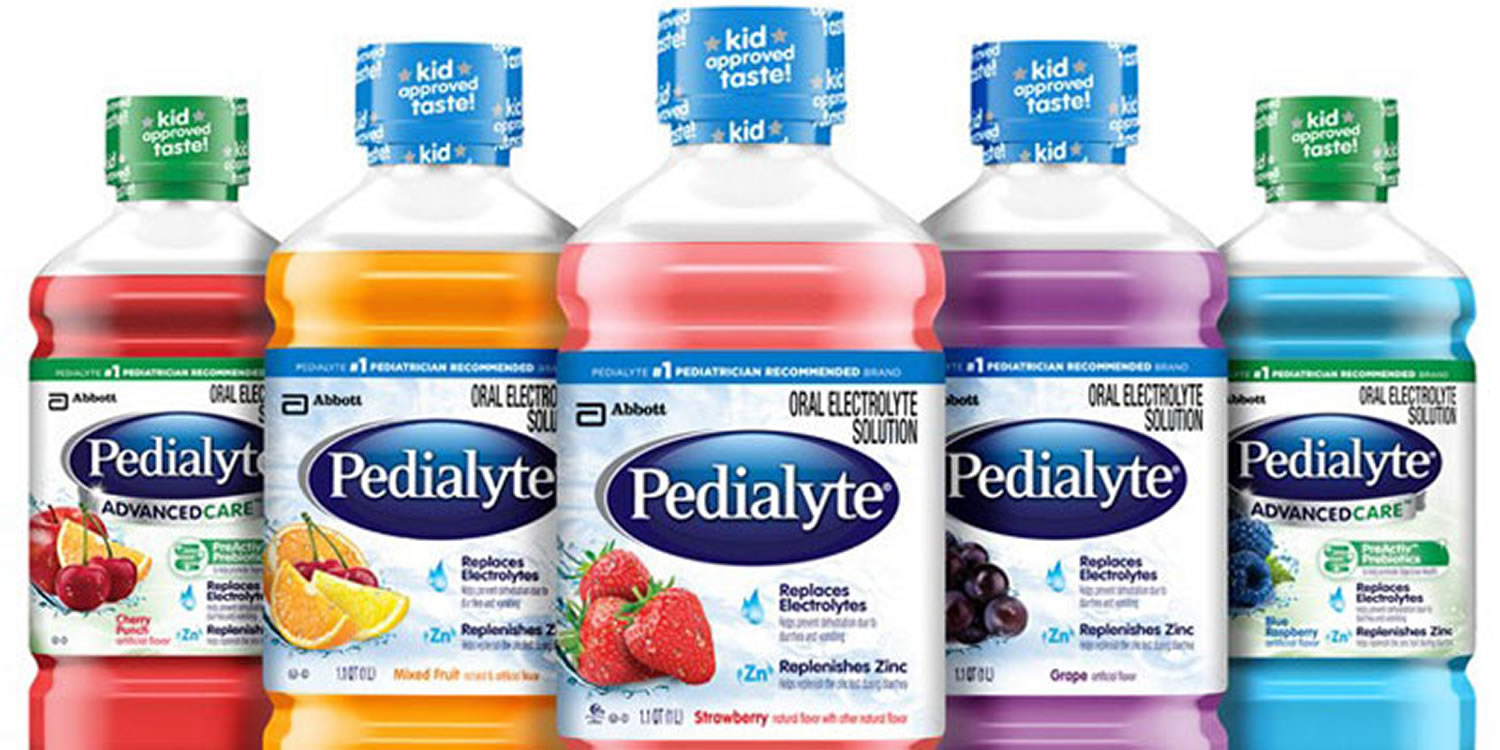
Versatile Flavor Profile – Multiple flavors keep it palatable, reducing the likelihood of feeling nauseated.
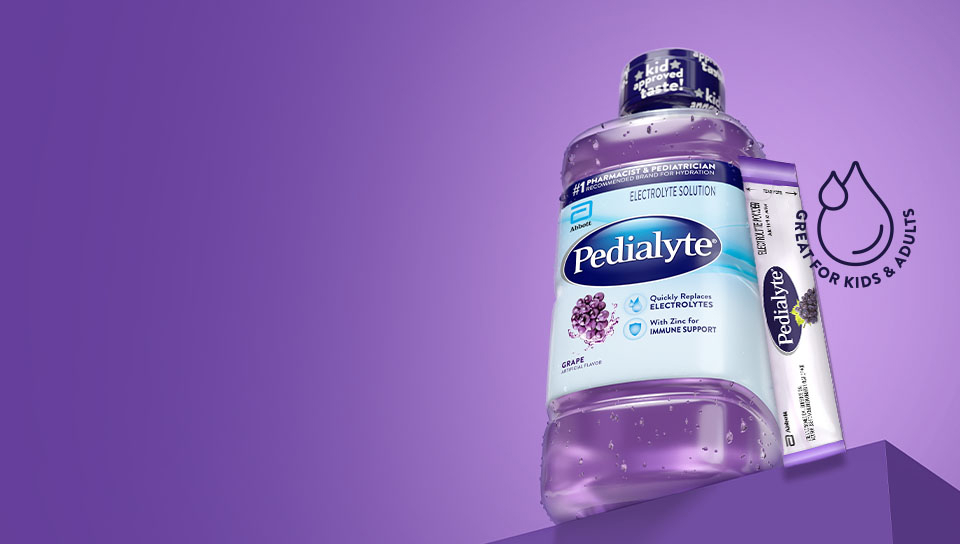
Convenient Packaging – Individual sachets can be mixed on the go, making it easy for commuters, athletes, and travelers.
When and How to Use Pedialyte in Adult Life
Here’s a practical guide to incorporate Pedialyte into different scenarios:
1. After Intense Exercise
Mix a packet with 12‑18 oz of water and drink within 30 minutes of finishing your workout. This replenishes sodium and potassium lost through sweat.
2. During Flu or Gastroenteritis Episodes
When vomiting or diarrhea is frequent, the balanced electrolytes help prevent dehydration without adding excess sugars that can worsen stomach upset.
3. While Working in High‑Heat Environments
Regularly sip Pedialyte throughout the day to keep salt and fluid levels steady—especially for factory workers, outdoor crew, or anyone exposed to prolonged heat.
4. Managing Chronic Conditions That Affect Fluid Balance
People with kidney issues or those on diuretics may benefit from the precise electrolyte ratios in Pedialyte, but always consult a healthcare provider first.
Dosage and Safety Tips
One packet equals about 240 ml. For most adults, one to two packets per day is sufficient. If you’re on a low‑sodium diet or have kidney disease, discuss appropriate intake with a medical professional. Pregnant or breastfeeding women can safely use Pedialyte, but again, personal health conditions should guide usage.
Pedialyte vs. Other Hydration Methods: A Quick Comparison
Water – Essential, but no electrolytes.
Sports Drinks – Good electrolytes, but high sugar.
Pedialyte – Balanced electrolytes, low sugar, proven hydration.
Homemade Salt‑Water Mix – Variable sodium levels, often too salty or too bland.
Frequently Asked Questions
Q1: Can Pedialyte be used by children and adults together?
A1: Yes. The formula is safe for all ages, but adults should keep the dosage within the recommended 1–2 packets per day unless advised otherwise by a clinician.
Q2: Does Pedialyte contain artificial sweeteners?
A2: The original Pedialyte formulation is sugar‑free or low‑sugar, but flavored versions may contain natural sweeteners. Check the label if you’re sensitive to additives.
Q3: Is it necessary to drink Pedialyte if I’m just mildly dehydrated?
A3: For mild dehydration, water may suffice. Pedialyte shines when electrolyte loss is significant—after intense exercise, prolonged illness, or heat exposure.
Q4: Can I replace all my sports drinks with Pedialyte?
A4: Pedialyte is a strong hydration partner, but it doesn’t offer the same flavor variety or carbonation that some athletes enjoy. Mixing both can be a balanced strategy.
From gym sessions to office desks and recovery periods, Pedialyte provides a reliable, science‑backed hydration solution for adults who need more than water. Its low sugar content and precise electrolyte blend make it a smart choice for maintaining peak performance, preventing illness‑related dehydration, and staying comfortable in hot or demanding environments.