How the National Guard Protects America at Home and Overseas
The National Guard stands out for its unique ability to pivot between state‑level emergencies and federal combat missions, essentially defending the United States wherever it’s needed. Whether battling a raging hurricane along the Gulf Coast or supporting a NATO exercise in Eastern Europe, Guard soldiers and airmen embody a “dual‑mission” ethos that keeps the nation safe both at home and abroad.
Dual Mission: State and Federal Responsibilities
Each Guard unit belongs to a specific state, but it can be federalized by the president at any moment. This arrangement means that a single soldier might spend one week assisting a local shelter and the next month deploying to a combat zone. The legal framework—outlined in Title 32 and Title 10 of the U.S. Code—provides the flexibility to shift gears without the bureaucratic delays that often hinder other branches.
Because Guard members train under both state and federal standards, they maintain a skill set that is simultaneously civilian‑focused and war‑ready. That blend of expertise is what makes the Guard such a reliable asset for a wide range of scenarios.
Domestic Operations: From Hurricanes to Civil Support
When natural disasters strike, the Guard is usually among the first responders on the ground. Hurricanes, wildfires, and floods all trigger State Emergency Operations Plans that call for Guard assistance. In recent years, Guard crews have delivered millions of gallons of water, cleared debris from devastated neighborhoods, and helped restore power lines.
Beyond disaster relief, the Guard also supports civil authorities during public health emergencies, large‑scale events, and even civil unrest. For example, during the COVID‑19 pandemic, Guard members set up testing sites, helped distribute vaccines, and assisted in logistical coordination for state health departments.
- Disaster response: Search‑and‑rescue, medical aid, engineering support.
- Public safety: Crowd control, traffic management, security for critical infrastructure.
- Health emergencies: Field hospitals, vaccine distribution, contact‑tracing assistance.
Overseas Deployments: Guard Units on the Global Stage
When the president orders federal activation, Guard units can be sent to any theater where U.S. forces are operating. In the past decade, Guard brigades have served alongside active‑duty troops in Iraq, Afghanistan, and the Horn of Africa, providing everything from infantry support to intelligence gathering.
Guard aviation assets—such as the UH‑60 Black Hawk helicopters and C‑130 cargo planes—play a crucial role in joint operations, often filling capability gaps for the regular Army. Moreover, Guard engineers have built roads and fortified bases in remote locations, enabling larger forces to move and sustain themselves.
These overseas stints also give Guard members exposure to the same high‑intensity training that active‑duty soldiers receive, sharpening their combat readiness when they return home.
Training, Equipment, and Community Ties
Guard soldiers typically train one weekend a month and two weeks each year, but the intensity ramps up dramatically before a federal deployment. During these periods, they attend the same schools as their active‑duty counterparts, earning qualifications in armor, infantry, cyber, and medical specialties.
Equipment-wise, Guard units receive gear that mirrors the active Army’s inventory—M4 rifles, MRAP vehicles, and advanced communications suites. Budget constraints sometimes cause delays in upgrades, but the Department of Defense prioritizes parity to ensure Guard forces can operate seamlessly alongside regular troops.
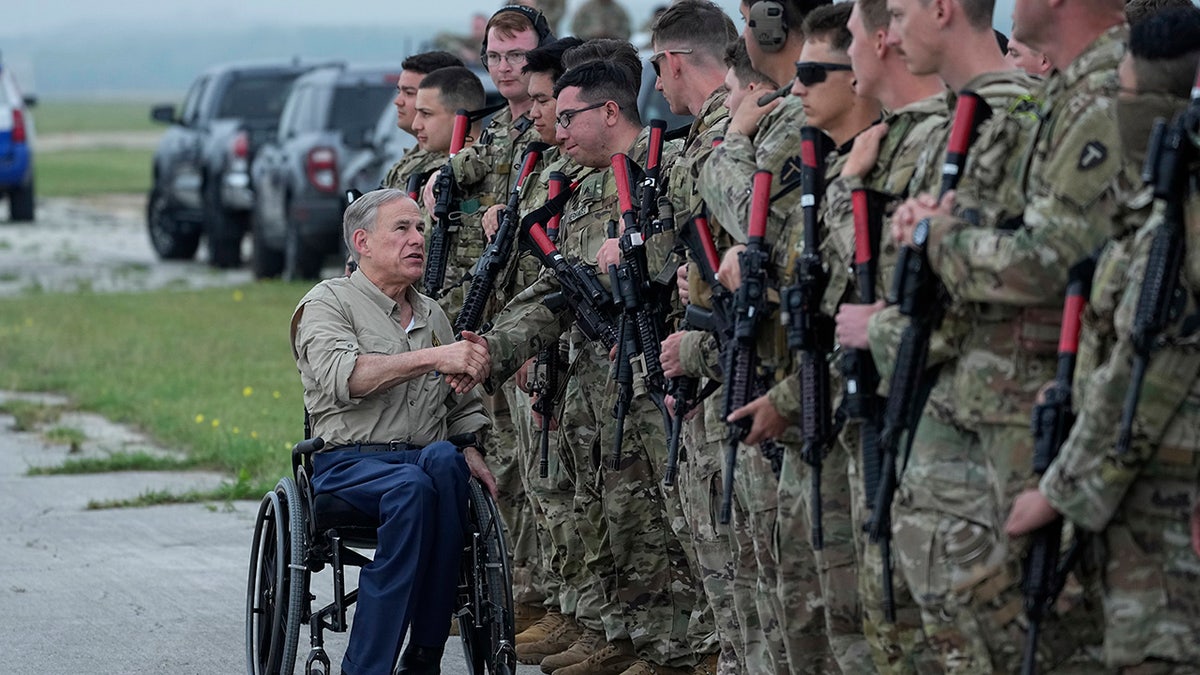
Because Guard members live in the communities they serve, the relationship between soldiers and civilians is unusually personal. Local events—parades, school visits, charity drives—allow citizens to meet the men and women who might later be called upon in a crisis, fostering trust that can be vital during emergencies.
Challenges and Future Directions
Balancing dual responsibilities is not without strain. Frequent activations can disrupt civilian careers and family life, leading to retention concerns. To address this, the Guard has expanded employer support programs and increased access to mental‑health resources.
Another ongoing challenge is modernizing the force for cyber and space domains. Guard cyber units are already assisting state agencies with network defense, and plans are underway to integrate space‑operational capabilities that mirror the new U.S. Space Force structure.
Looking ahead, the Guard’s role is likely to expand as domestic threats become more complex and overseas commitments evolve. Maintaining a robust, adaptable force will require continued investment in training, equipment, and the families that underpin every Guard member’s service.
FAQ
What is the National Guard’s primary mission at home?
The Guard’s state‑level mission focuses on disaster relief, public safety support, and assistance during public health crises, all coordinated through the governor’s emergency management agency.
How does the Guard differ from the regular Army?
Guard members serve part‑time and are under the authority of their state unless federalized, whereas active‑duty soldiers serve full‑time under federal command at all times.
Can Guard units be deployed overseas without a state’s consent?
Yes. Once the president issues a federal activation order, Guard units operate under Title 10 authority and are no longer subject to state control for the duration of the deployment.
What benefits do Guard members receive for their dual service?
Benefits include tuition assistance, state‑specific tax incentives, employer support programs, and access to comprehensive health and retirement plans that recognize both civilian and military contributions.