How to Breed Zebra Danios: A Beginner’s Step‑by‑Step Guide
Why Zebra Danios Make Good First Breeders
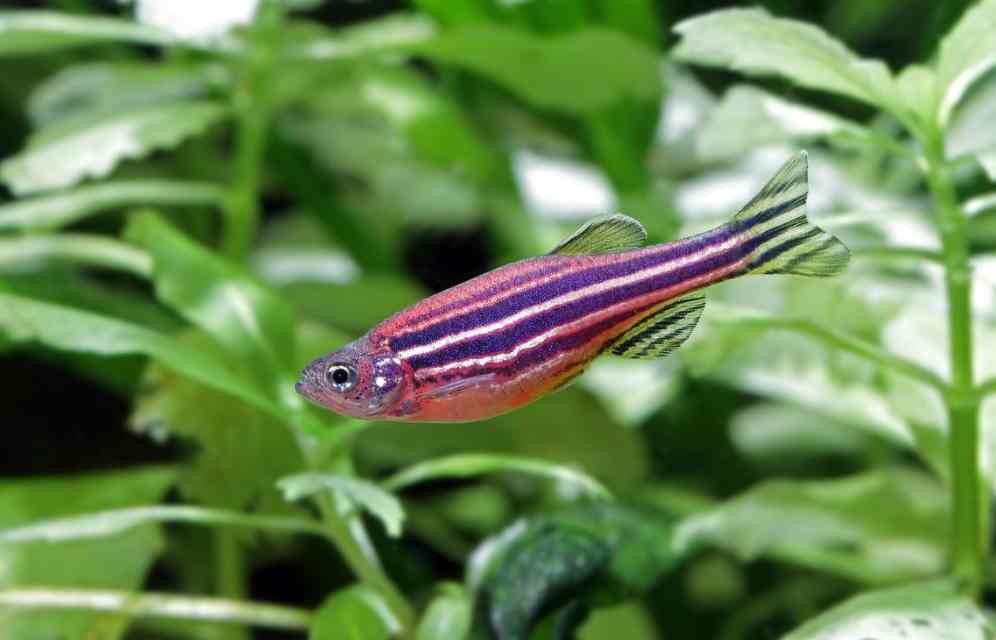
Breeding zebra danios is a rewarding entry point for anyone new to fish propagation. Their hardy nature means they tolerate a wide range of water conditions, so you won’t need a perfectly calibrated system to see success. They mature quickly—usually reaching breeding age within six months—allowing you to observe the full cycle in a single season. Moreover, the bright striped pattern adds visual appeal to a spawning tank, turning a simple experiment into a lively display.
Setting Up the Ideal Breeding Environment
Creating a stress‑free space is the foundation of successful breeding. A separate 10‑ to 20‑gallon tank works well; it’s large enough for a small group but easy to maintain. Avoid heavy filtration that creates strong currents; a gentle sponge filter or a low‑flow hang‑on unit keeps the water clean without disturbing the delicate eggs.
Tank size and filtration
Choose a tank with clear side panels so you can watch the spawning action without constantly opening the lid. A few live plants—such as java moss or hornwort—provide natural cover and a place for the adults to hide after spawning. Keep the décor simple; smooth stones or ceramic caves give the fish places to rest without collecting debris.
Water parameters to watch
Maintain a temperature between 75 °F and 78 °F (24‑26 °C). Slightly softer water (pH 6.5‑7.0) encourages spawning, but zebra danios are forgiving, so a range of 6.5‑7.5 is acceptable. Perform a 25‑30 % water change a day before introducing the breeding pair to refresh the environment and lower any lingering nitrates.
Conditioning Your Adults for Spawning
Before you expect any eggs, condition the adults with a high‑quality diet for at least two weeks. Offer live or frozen foods such as daphnia, brine shrimp, and bloodworms several times a day. The protein boost mimics the abundance of food found in the wild during the rainy season, prompting the fish to develop ripe gonads.
Triggering the Spawning Ritual
Once the fish look plump and active, slightly raise the temperature by 1‑2 °F and increase the light cycle to 12‑14 hours a day. This subtle shift simulates the early morning warmth of a tropical shower, which often triggers a spawning frenzy. Place a spawning mop or a piece of spawning mesh at the bottom of the tank; the fish will use it as a substrate for their sticky eggs.
Collecting and Caring for the Eggs
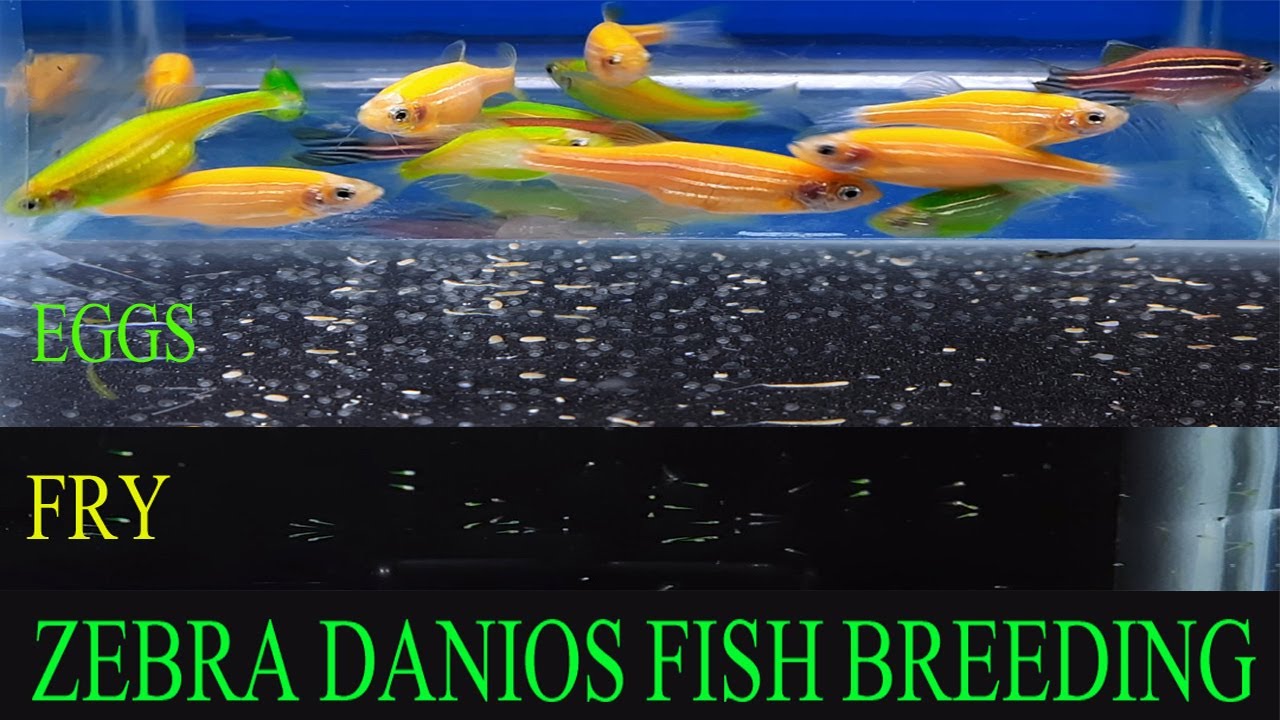
After the adults release the eggs—usually a few hundred per session—remove the parents within a few hours. Even though zebra danios are not overly aggressive, adult fish will often eat the eggs if left together. Transfer the fertilized eggs onto a separate rearing tank that matches the original water parameters.
Incubation basics
Eggs hatch in roughly 48‑72 hours at the recommended temperature. Keep the water gently aerated; a low‑flow air stone provides enough oxygen without stirring the fragile embryos. Do not feed the fry until they become free‑swimming, which typically occurs 3‑4 days after hatching.
Raising Fry to Juvenile Stage
When the fry start swimming, begin feeding them infusoria or commercially prepared liquid fry food. After five days, graduate to newly hatched brine shrimp, then to finely crushed flakes as they grow larger. Perform daily water changes of 20‑30 % to maintain pristine water, as fry are especially sensitive to ammonia spikes.
Common Pitfalls and How to Avoid Them
One frequent mistake is over‑stocking the breeding tank; too many fish can increase stress and reduce spawning frequency. Another is neglecting water quality—even a small rise in nitrate can halt egg development. Finally, avoid sudden temperature drops; zebra danios respond best to gradual changes of no more than 2 °F per day.
FAQ
- How long does it take for zebra danio eggs to hatch?
Under typical conditions (75‑78 °F), eggs usually hatch within 48‑72 hours.
- Do I need a separate tank for the fry?
Yes, keeping the fry apart from adults prevents predation and allows you to control water parameters more precisely.
- Can I use tap water for the breeding tank?
Only if it’s been conditioned with a dechlorinator and its hardness adjusted to the 6.5‑7.5 pH range; otherwise, use aged or filtered water.
- What signs indicate the fish are ready to spawn?
Healthy, rounded bellies, increased activity, and a willingness to chase each other near the spawning mop are good indicators.