How to Build a House on a Tight Budget: Proven Tips and Tricks
Dreaming of a brand‑new home but worried about the price tag? You’re not alone. Building a house on a budget isn’t about cutting corners so badly you end up with a shaky roof; it’s about making smart choices from day one. Below you’ll find a roadmap that balances cost‑control with quality, so you can watch the foundation rise without watching your savings disappear.
Plan Before You Break Ground
Every successful project starts with a solid plan, and that’s especially true when money is limited. Begin by sketching a realistic budget that includes a 10‑15 % cushion for unexpected expenses. Next, prioritize must‑haves—think three bedrooms, two baths, and a modest living area—while earmarking optional upgrades for later phases.
Consider using free design software or consulting a student architect; many schools offer low‑cost services for real‑world experience. A clear, written scope not only guides contractors but also prevents scope creep, the silent budget killer.
Smart Material Choices
Materials account for roughly half of construction costs, so choosing wisely can shave thousands off the total. Opt for locally sourced lumber and bricks; transportation fees can add up quickly, and regional suppliers often have surplus stock at discounted rates.
When it comes to finishes, look for engineered alternatives that mimic high‑end looks. For instance, luxury‑grade vinyl flooring now offers the look of hardwood with far lower installation costs. Likewise, fiber‑cement siding provides durability comparable to wood but resists rot and insects, saving on long‑term maintenance.
- Reclaimed wood for accent walls or flooring adds character and cuts cost.
- Prefabricated wall panels can reduce labor time dramatically.
- Standard‑size windows are cheaper than custom shapes—design around them.
Cost‑Saving Construction Techniques
Modern building methods often reduce waste and labor. One popular approach is the “open‑frame” design, where interior walls are minimized and the structural frame doubles as a visual feature. This not only lowers material usage but also speeds up the build.
Another trick is to schedule work in phases. Start with a solid shell—foundation, roof, exterior walls—then finish interior finishes as your budget allows. This phased approach lets you move in sooner, potentially saving on rent while you complete the interior.
Managing Labor Costs
Labor is the second biggest expense after materials. Instead of hiring a full‑service contractor for everything, consider a hybrid model: employ a licensed general contractor for critical tasks like foundation and roofing, then bring in specialized trades (electricians, plumbers) only when needed.
If you have DIY chops, tackling non‑critical tasks yourself—painting, landscaping, installing fixtures—can yield significant savings. Just be honest about your skill level; a botched job often costs more to fix than to outsource.
Financing and Budget Tracking
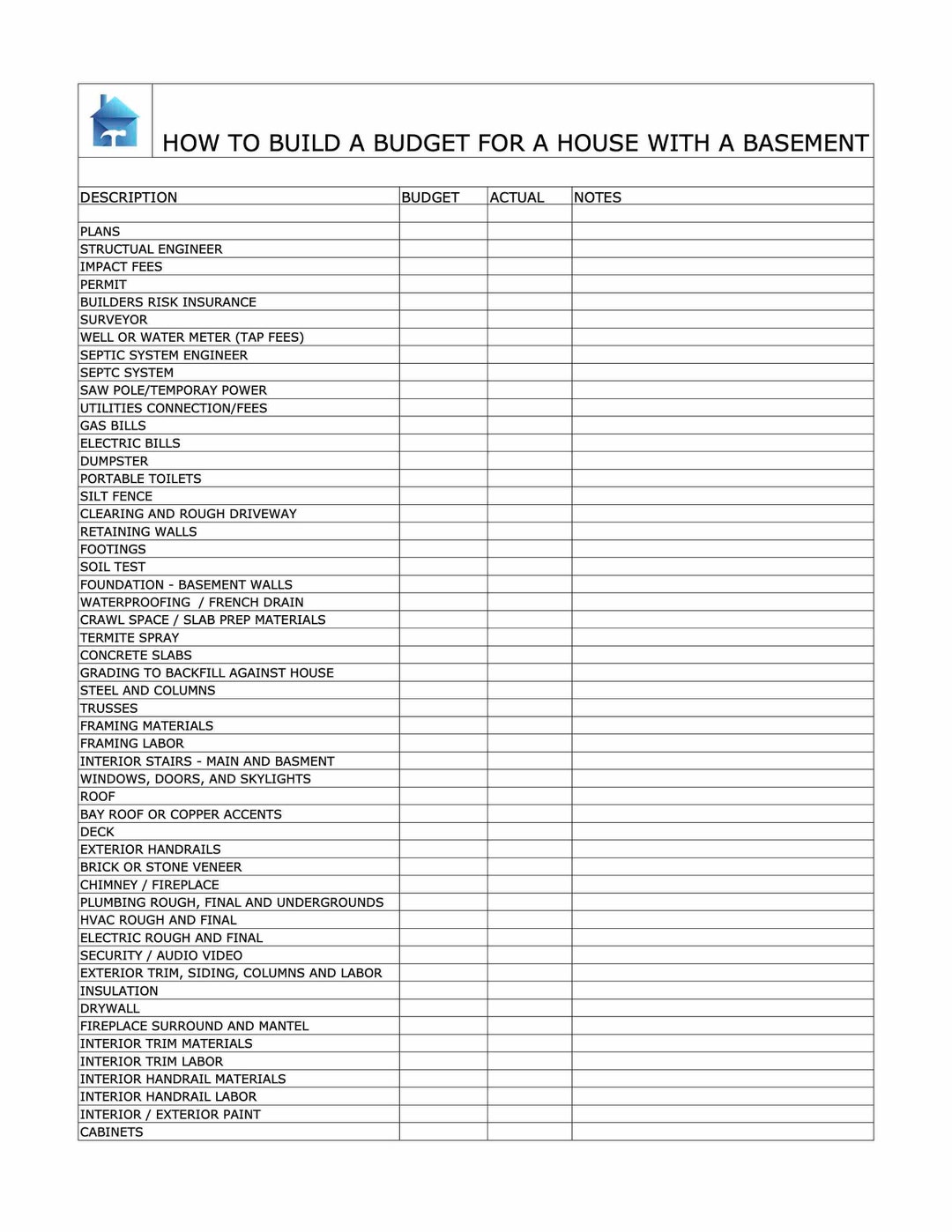
Even the best‑planned project can go off‑track without diligent financial oversight. Use a simple spreadsheet or a budgeting app to record every expense, from the first shovel of soil to the last bag of grout. Categorize costs, set alerts for overspending, and review the sheet weekly.
Explore financing options that align with your cash flow. Some builders offer “construction loans” that release funds in stages, matching payments to completed work. Others may consider a home‑equity line of credit if you already own property, often at a lower rate than a standard personal loan.
Avoiding Common Pitfalls
Even seasoned builders stumble over a few traps that can erode a budget. Here are the most frequent culprits:
- Underestimating site preparation. Soil testing, grading, and drainage can quickly become expensive if overlooked.
- Changing plans mid‑project. Every alteration adds labor and material costs—lock in decisions early.
- Neglecting energy efficiency. Skimping on insulation or windows may lower upfront costs but raise utility bills for years.
By addressing these issues up front, you keep the project moving smoothly and your finances intact.
FAQ
What’s the most cost‑effective way to insulate a new home?
Blown‑in cellulose is often cheaper than spray foam and provides comparable R‑values. Pair it with strategically placed weather‑stripping to maximize efficiency without breaking the bank.
Can I use a modular home design to save money?
Yes. Modular units are built off‑site under controlled conditions, reducing waste and labor time. When assembled on a prepared foundation, they can be a budget‑friendly alternative to traditional stick‑built homes.
How much should I allocate for unexpected expenses?
Industry experts recommend reserving 10‑15 % of your total budget as a contingency fund. This buffer covers surprise costs like hidden utility lines or material price spikes.
Is it worth hiring an architect for a modest budget home?
Even a brief consultation can help you avoid costly layout mistakes and optimize space usage. Many architects offer flat‑fee or hourly rates for small projects, making the investment worthwhile.