How to Draft a Sweat Equity Contract for Business Partners: A Practical Example
If you’re building a startup with friends or colleagues, chances are you’ll need to formalize how each partner’s time and effort translate into ownership. A sweat equity contract example for business partners clarifies responsibilities, valuation, and future payouts, reducing misunderstandings before they become costly disputes. This guide walks you through the essential components, offers a clear outline, and gives actionable tips for negotiating a deal that protects everyone’s interests.
What Is Sweat Equity?
Sweat equity is the non‑monetary value a partner brings to a venture—time, skills, or labor—in lieu of upfront cash. It’s common in early‑stage startups where founders can’t pay market salaries. Instead of a conventional wage, sweat equity is measured by an agreed percentage of company ownership, vesting schedules, or milestone‑based payouts. Recognizing sweat equity as a legitimate investment keeps partners motivated and aligns the business’s growth with their personal commitment.
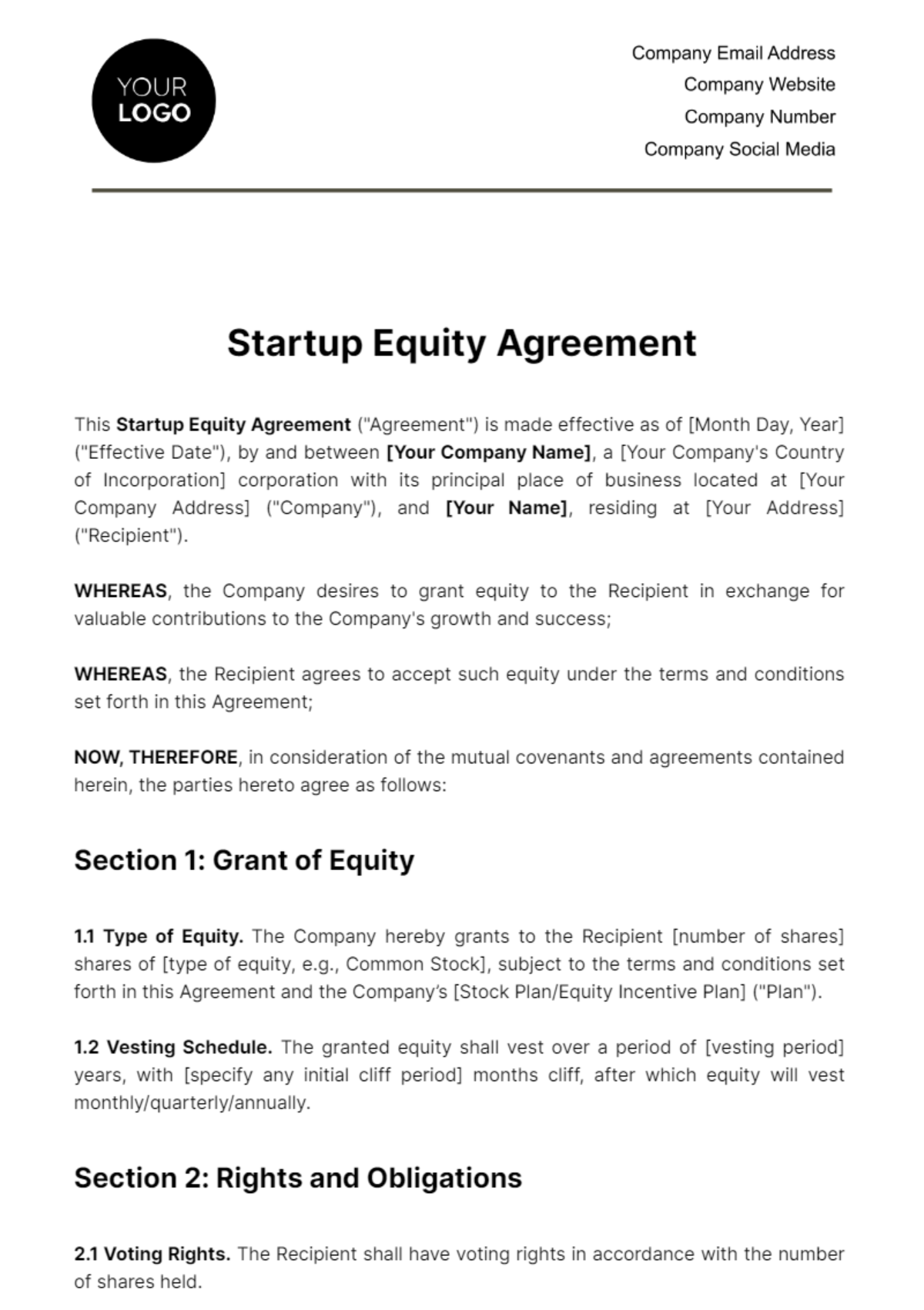
Sweat Equity Contract Example for Business Partners
Below is a concise template you can adapt for your partnership. It captures the core provisions that a robust sweat equity agreement should contain. Feel free to customize the clauses to match the specific context of your business.
1. Parties and Purpose
- Parties – Identify each founder and any additional key contributors.
- Purpose – State the business’s mission and the role of each partner.
2. Equity Allocation and Valuation
- Base Equity – Define the percentage each partner receives for their work.
- Valuation Method – Specify whether valuation is market‑based, discounted cash flow, or agreed by a third party.
3. Vesting Schedule
- Cliff – Typically a one‑year cliff before any equity vests.
- Vesting Period – Monthly or quarterly vesting over 3–4 years.
4. Milestone Commitments
- Specific Deliverables – Coding deadlines, product prototypes, or sales targets.
- Equity Release Triggers – Equity vests upon completion of each milestone.
5. Governance and Decision Rights
- Voting Rights – Tie voting power to ownership percentages.
- Operating Agreement – Outline day‑to‑day decision procedures.
6. Exit and Transfer Restrictions
- Right of First Refusal – Partners can purchase departing partners’ shares.
- Drag‑along/Tag‑along – Protect minority investors and founders.
7. Confidentiality and IP Assignment
- IP Ownership – All intellectual property created belongs to the company.
- Non‑Disclosure – Protect trade secrets during and after the partnership.
8. Dispute Resolution
- Mediation/Arbitration – Preferred method before litigation.
- Jurisdiction – Specify the governing state or country law.
Tips for Negotiating and Protecting Your Agreement
While a template gives structure, the negotiation phase determines how well the contract reflects each partner’s expectations. Consider these practical tips:
- Get a Valuation Early. A clear baseline prevents future arguments over “how much is a $5,000 effort worth?”
- Use a Third‑Party Advisor. An accountant or attorney can spot hidden risks and draft language that withstands scrutiny.
- Document Milestones. Write down each milestone in a separate appendix so that performance can be objectively measured.
- Plan for Uncertainty. Include provisions for unexpected changes—like a key partner leaving or a market shift—so the agreement remains enforceable.
- Update Regularly. Re‑review the contract at major funding rounds or strategic pivots to ensure it stays relevant.
Frequently Asked Questions
- Can I convert sweat equity into a cash bonus later? Yes, many agreements allow cash buy‑outs or bonus payouts upon a liquidity event or after a specified period.
- What happens if a partner doesn’t meet milestones? Typically, the portion of equity tied to that milestone remains unvested and can be forfeited or reallocated.
- Do I need a lawyer to draft this contract? While not mandatory, professional legal guidance ensures compliance with local laws and protects against future litigation.
- Is a sweat equity contract enforceable? When written properly and signed by all parties, it carries the same legal weight as any other equity agreement.