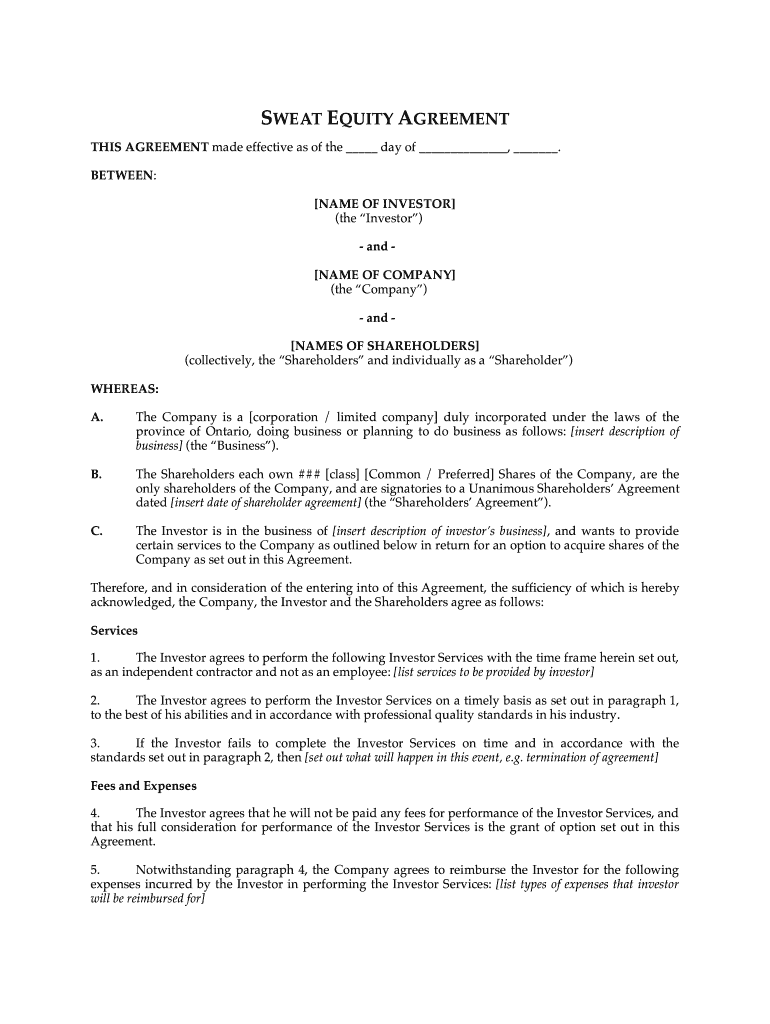
How to Draft a Sweat‑Equity Partnership Agreement for Your Small Business
If you're a small business owner looking to bring on a partner without giving up cash, a sweat equity partnership agreement can be a game‑changer. It lets you reward hard work and dedication in kind of equity, rather than a paycheck, aligning both parties toward long‑term success.
Why Sweat Equity Makes Sense for Growing Startups
Cash flow is the lifeblood of any early‑stage venture. Traditional equity deals require you to offer shares in exchange for capital or services. Sweat equity flips that model: a partner earns ownership through time, effort, and expertise instead of money. This structure:
- Keeps cash in the business.
- Motivates partners to stay and grow the company.
- Reduces dilution for founders in the early days.
When you frame the partnership clearly, you avoid the misunderstand‑ment that can lead to disputes over responsibilities or future payouts.
Key Elements of a Sweat Equity Partnership Agreement
Below is a practical template you can adapt. Each section is broken down for clarity and legal safety. Always consult a lawyer before finalizing any contract.
1. Parties and Purpose
Identify the owners (the founder(s) and the new partner), the legal entity, and the purpose of the partnership. State the partner’s role—developer, marketer, operations lead, etc.—and how their contributions will advance the business.
2. Equity Allocation
Specify the exact percentage of ownership the partner will receive. Clarify whether this is:
- Vesting schedule: Common practice is a four‑year vesting with a one‑year cliff, meaning no equity is earned until after 12 months, then earned gradually.
- Immediate equity: Rare, but sometimes used for critical hires.
Document the “traded value” of the sweat—hours worked, milestones achieved, or deliverables delivered.
3. Roles, Responsibilities, and Time Commitment
Define the partner’s day‑to‑day duties. Include:
- Job title and scope.
- Minimum hours per week.
- Key performance indicators.
- Reporting lines and decision‑making authority.
Clear expectations reduce friction when roles evolve.
4. Milestone‑Based Vesting
Rather than a flat schedule, tie equity release to specific outcomes:
- Launch of a product feature.
- Securing the first 10 customers.
- Achieving a revenue target.
Each milestone triggers a vesting event, ensuring the partner’s equity reflects tangible contributions.
5. Intellectual Property and Confidentiality
Assign any work‑produced IP to the company. Protect trade secrets with a confidentiality clause that covers:
- Technical data.
- Marketing strategies.
- Customer lists.
Include a non‑compete period if appropriate, typically 12–24 months after departure.
6. Exit and Transfer Restrictions
Outline how equity can be sold, transferred, or bought back:
- Right of first refusal for existing partners.
- Buy‑back price formula (e.g., based on EBITDA).
- Restrictions on selling to competitors.
Having these rules in place prevents unwanted dilution and preserves the company’s culture.
7. Dispute Resolution
Decide whether disputes will go to mediation, arbitration, or court. Include a jurisdiction clause, often the state where the business is incorporated.
8. Amendments and Governing Law
State that the agreement can only be amended in writing, signed by all parties, and that the contract is governed by the state’s corporate laws.
Step‑by‑Step: Drafting Your Template
Follow this checklist to create a robust document quickly:
- Collect information: Gather roles, equity percentages, and expected deliverables.
- Sketch a draft: Use the sections above as placeholders.
- Review legal language: Replace generic phrases with precise clauses.
- Validate with a lawyer: Ensure compliance with state law and tax implications.
- Execute the agreement: Sign, notarize if necessary, and provide copies to all parties.
Once you have the template, you can reuse it for future hires, simply updating numbers and roles.
Common Pitfalls to Avoid
Even a well‑written agreement can fall short if:
- It doesn’t specify a clear vesting schedule.
- It leaves IP ownership vague.
- It fails to address tax consequences—sweat equity can be considered taxable income.
- It omits a clause for handling underperformance.
Address each area proactively to keep the partnership healthy.
FAQs About Sweat Equity Agreements
What taxes apply to sweat equity partners?
When equity vests, the partner may owe income tax on the fair market value of the shares. The company should provide a 1099‑S or 1099‑MISC, and partners may need to file an installment payment plan.
Can I change the vesting schedule after signing?
Yes, but only with mutual consent and a written amendment. Altering vesting mid‑course can upset trust and raise legal concerns.
Is a sweat equity agreement enforceable without a lawyer?
While you can draft a basic agreement yourself, legal review is highly recommended. Courts scrutinize vague or overly one‑sided clauses.
What happens if a partner leaves before equity fully vests?
The agreement should specify forfeiture rules—typically, unvested shares revert to the company or are reallocated to remaining partners.
By starting with a clear template and following these best practices, you can secure a strong partnership that rewards effort, protects your business, and builds a solid foundation for growth.