How to File a Successful Apartment Fire Insurance Claim
Apartment Fire Insurance Claim Guide: Key Steps
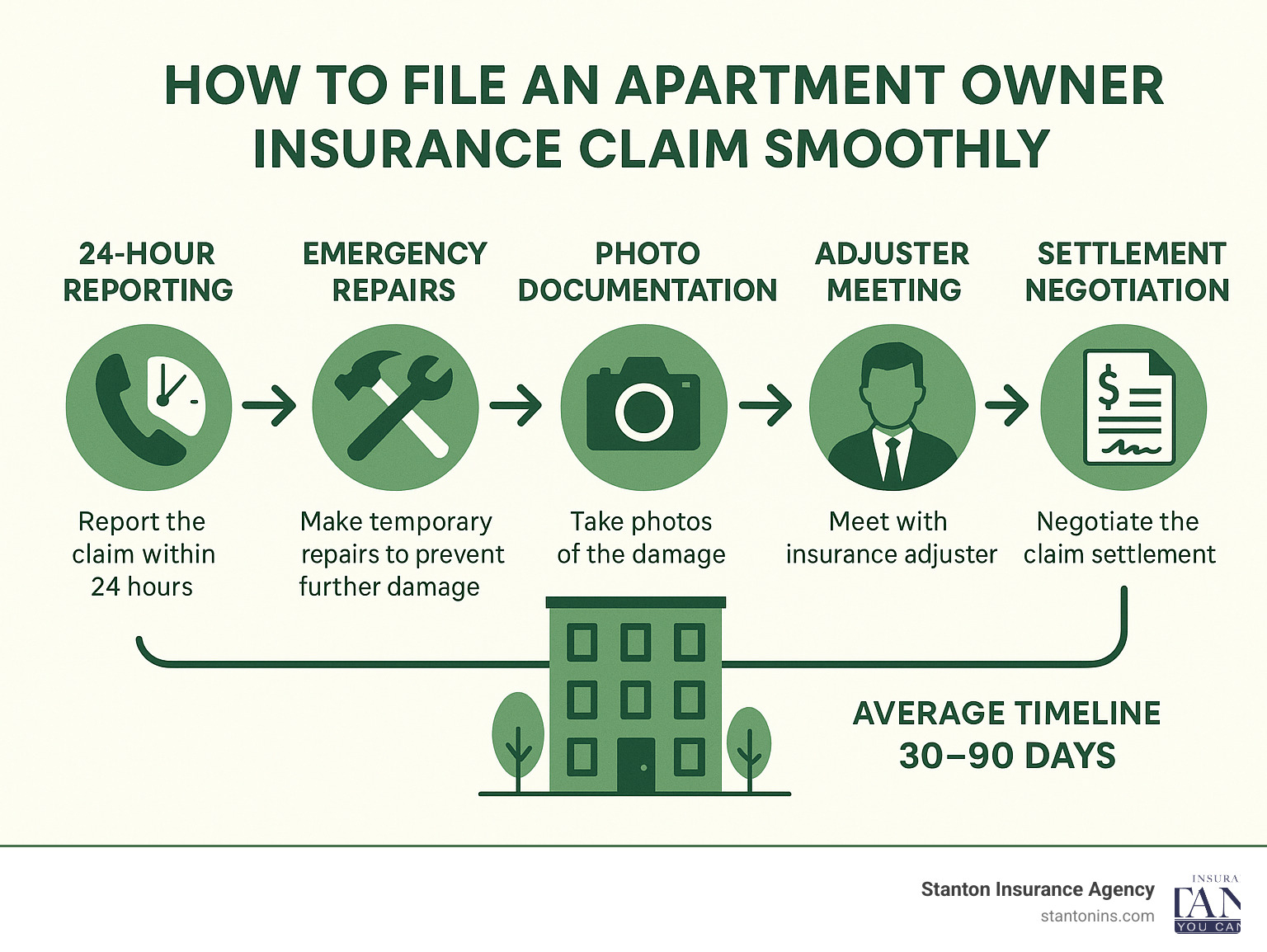
After a fire breaks out, the first thing most tenants think of is safety. Once the smoke is cleared and you’re safe, the next priority is making sure you’re covered. An Apartment Fire Insurance Claim Guide can help you navigate the paperwork, deadlines, and negotiations that follow. Below, I’ll walk you through the process step by step, so you don’t miss a detail or leave money on the table.
Step 1: Secure the Property
Your top priority is to keep everyone out of harm’s way. Call the fire department if the blaze is still active. After the fire, work with your landlord or property manager to lock the doors and ensure the building remains secure. If you’re in a multi‑unit building, let your neighbors know the fire is under control and that no one should re-enter until authorities clear it.
Step 2: Gather Documentation
Insurance companies need proof that the loss occurred and how much it cost. Start by photographing the damage from multiple angles—walls, windows, and personal items. Keep receipts for any immediate repairs or replacement items. Write a written statement detailing what was lost and any estimated costs you’re aware of. If the fire destroyed records, note that as well.
Step 3: Contact Your Insurance Adjuster
Most insurers assign an adjuster to handle apartment claims. Call your insurer’s claims line as soon as possible—ideally within 24 to 48 hours. Tell the adjuster that you’re filing an apartment fire claim and ask what forms they need. They’ll send you a claim packet or a digital form and explain the timeline for the investigation.
Step 4: Assessing Damages and Estimating Costs
When you review the damage, separate items you can repair from those that need replacement. Get a professional estimate for major repairs like structural work or electrical rewiring. For personal belongings, use the original purchase price or a recent appraisal. If you’re unsure about a valuation, ask the adjuster if they can provide a list of accepted appraisal services.
Step 5: Filing the Claim
Complete the claim form exactly as instructed—missing or incorrect details can delay payment. Attach every piece of evidence: photos, receipts, police or fire reports, and any professional estimates. Keep copies of everything for your own records. Once submitted, you’ll receive a claim reference number; keep it handy for all follow‑ups.
Common Pitfalls and How to Avoid Them
Many tenants rush to claim without preparing properly, which can lead to denied or reduced payouts. Here are a few snags to watch out for:
- Missing Documentation – Forgetting receipts or not photographing the damage can shrink your settlement.
- Ignoring Policy Limits – Every policy caps how much it will pay for certain items. Know those limits before you file.
- Late Reporting – Most policies require you to report a loss within 60 days. Delaying can void your claim.
To stay on track, set a reminder to review your policy at the start of each month. Knowing the details in advance lets you act quickly when a fire happens.
When to Seek Professional Help
If the damage is extensive—especially when structural work or hazardous material cleanup is involved—consider hiring a public adjuster or a claims attorney. They can negotiate with the insurer on your behalf and ensure you receive the full amount you’re entitled to. In many cases, their fees are covered by a percentage of the settlement, so they’re often worth the investment.
FAQ
Q: What documents do I need to file an apartment fire insurance claim?
A: Start with a detailed photo log, any receipts for damaged or replaced items, a written statement of the loss, and the fire or police report. If you have professional estimates for repairs, include those as well.
Q: How long does an apartment fire claim take to process?
A: Processing time varies, but most insurers aim to resolve a claim within 30 to 60 days from submission. Complex cases can take longer if additional inspections are required.
Q: Will I lose coverage if the landlord is at fault?
A: The landlord’s insurance covers building-wide damages, while your tenant policy covers personal property. You can file separate claims, but coordinating the two helps avoid overlap or gaps in coverage.
Q: What if my claim is denied?
A: First, review the denial letter to understand the insurer’s reasoning. You can appeal the decision or hire an adjuster to re‑evaluate the claim. If you still disagree, consult a legal professional experienced in insurance disputes.