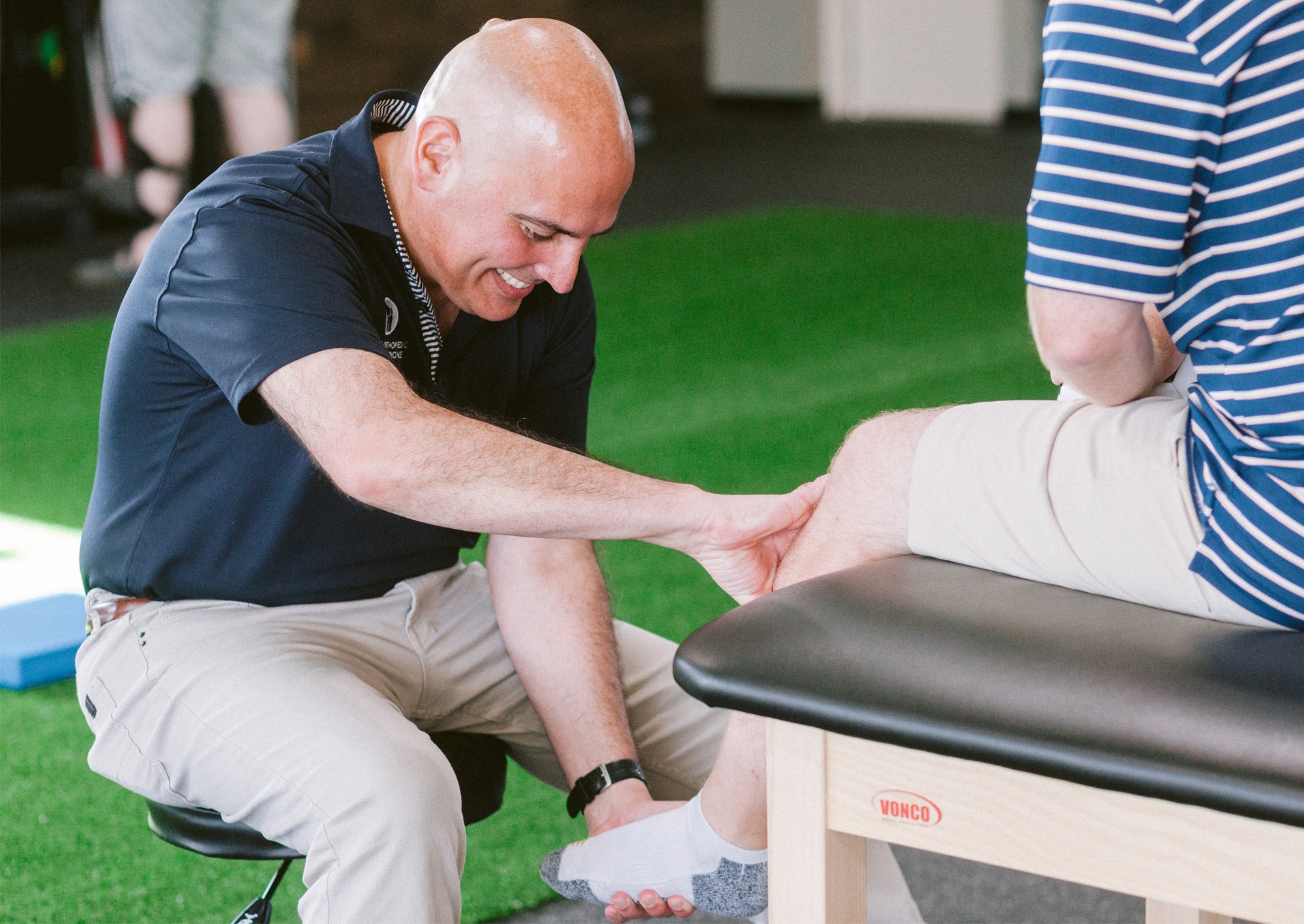
How to Find an Expert Ankle Orthopedic Doctor Near You
When a twisted ankle lingers longer than a few days, the search for an ankle orthopedic doctor near me becomes more than a casual Google query—it’s a step toward regaining mobility and confidence. Whether the pain stems from a sports injury, a chronic condition, or an unexpected fall, locating a specialist who combines surgical skill with compassionate after‑care can dramatically shorten recovery time. Below, we walk through the practical considerations that turn a vague search into a confident appointment.
Why Choosing the Right Ankle Orthopedic Doctor Matters
Ankle injuries involve a complex network of bones, ligaments, tendons, and nerves. A doctor trained specifically in orthopedics understands the biomechanics that general practitioners might overlook. This expertise translates into more accurate diagnoses—think MRI‑guided assessments rather than guesswork—and treatment plans that range from targeted physical therapy to minimally invasive arthroscopy.
Moreover, an experienced ankle specialist stays current with advances such as biologic injections or 3‑D‑printed orthotics, options that can preserve joint health and reduce the need for invasive surgery. In short, the right doctor not only fixes the problem but also helps you avoid future setbacks.
Key Signs You Need Specialist Ankle Care
Not every sore ankle warrants a referral, but certain red flags signal that a specialist’s touch is advisable:
- Persistent swelling or bruising that doesn’t improve after 48 hours of rest, ice, compression, and elevation.
- Sharp or grinding pain during weight‑bearing activities, especially on uneven surfaces.
- Instability that feels like the ankle might “give out” when walking or running.
- Visible deformity, such as a misaligned joint or an unusual bump after an injury.
- Loss of range of motion—if you can’t flex or point your foot fully.
If you notice any of these symptoms, it’s time to move beyond over‑the‑counter remedies and seek professional evaluation.
How to Locate a Qualified Ankle Orthopedic Doctor Near You
Finding a reputable specialist doesn’t have to be a wild goose chase. Follow these steps to narrow the field efficiently:
- Start with trusted sources. Ask your primary care physician or sports therapist for recommendations; they often have established referral networks.
- Check board certification. Look for doctors certified by the American Board of Orthopaedic Surgery (ABOS) with a subspecialty focus on foot and ankle.
- Read patient reviews. While anecdotal, reviews on platforms like Healthgrades or Vitals can highlight bedside manner and office efficiency.
- Verify hospital affiliations. A doctor linked to a top‑rated trauma center or orthopedic hospital typically has access to advanced imaging and surgical suites.
- Confirm insurance compatibility. Before booking, ensure the doctor’s practice accepts your health plan to avoid surprise costs.
- Schedule a brief “consultation call.” Use the call to gauge responsiveness, ask about typical wait times, and confirm that the doctor treats the specific ankle condition you’re facing.
By systematically vetting each candidate, you’ll reduce the odds of ending up with a practitioner who lacks the precise expertise you need.
Questions to Ask During Your First Consultation
A productive first visit hinges on the right questions. Consider bringing a notebook and asking:
- What is your experience treating my specific diagnosis (e.g., posterior tibial tendon dysfunction, ankle impingement, high‑ankle sprain)?
- Which diagnostic tools do you prefer—MRI, CT scan, or ultrasound—and why?
- Can you outline both surgical and non‑surgical options, including recovery timelines?
- How many ankle arthroscopy procedures have you performed in the past year?
- What post‑operative rehabilitation program do you recommend, and do you collaborate with physical therapists?
- What are the potential risks and success rates associated with the proposed treatment?
Clear answers will help you weigh benefits against risks and decide whether the doctor’s approach aligns with your goals.
What to Expect from Expert Ankle Care
Once you’ve chosen a specialist, the care pathway typically unfolds in three phases:
Diagnostic Phase
The doctor conducts a thorough history review, physical examination, and appropriate imaging. Modern practices may employ 3‑D modeling to visualize bone alignment, which aids in precise treatment planning.
Treatment Phase
Depending on the diagnosis, options range from customized orthotics and targeted physiotherapy to minimally invasive procedures like arthroscopic debridement. For severe instability, a surgeon might recommend ligament reconstruction using autograft tissue—a technique that preserves natural joint function.
Rehabilitation Phase
Recovery isn’t just about the surgery; it’s about regaining strength, balance, and confidence. Expect a structured program that blends manual therapy, progressive weight‑bearing exercises, and possibly aquatic therapy to reduce joint stress.
Throughout, a seasoned ankle orthopedic doctor will monitor progress, adjust the plan as needed, and provide education on injury prevention—essential for athletes, weekend hikers, or anyone who values an active lifestyle.
Frequently Asked Questions
Do I need a referral to see an ankle orthopedic specialist?
While some insurance plans require a primary‑care referral, many allow direct appointments. Check your policy details to avoid unexpected charges.
How long does recovery typically take after ankle surgery?
Recovery varies by procedure, but most patients resume light activities within 6‑8 weeks and return to full sports participation after 3‑6 months, assuming diligent rehab.
Are there non‑surgical options that work as well as surgery?
For many moderate injuries, structured physical therapy, bracing, and regenerative injections can achieve comparable outcomes without the risks of an operation. A specialist will help you weigh these alternatives.
What credentials should I look for when choosing a doctor?
Beyond board certification, consider fellowship training in foot and ankle surgery, a high volume of ankle cases, and affiliations with reputable orthopedic centers.