How to Fix Common Household Appliances Yourself: A Practical Guide
When a washer hums louder than usual or a fridge refuses to chill, the impulse to call a technician can feel inevitable. Yet many of these hiccups are within reach of a confident DIY enthusiast. Embracing DIY home appliance repairs not only saves money but also demystifies the technology that powers daily life. Below is a hands‑on roadmap that balances confidence with caution.
DIY Home Appliance Repairs: When to Take On the Job
First, assess the scope of the problem. Simple malfunctions—like a clogged dryer vent, a tripped circuit, or a loose door hinge—often have straightforward fixes. On the other hand, issues involving refrigerant, gas lines, or complex electrical components usually demand a licensed professional. A good rule of thumb: if the repair requires opening sealed panels, handling high‑voltage wiring, or replacing major sealed‑system parts, it’s safer to defer to experts.
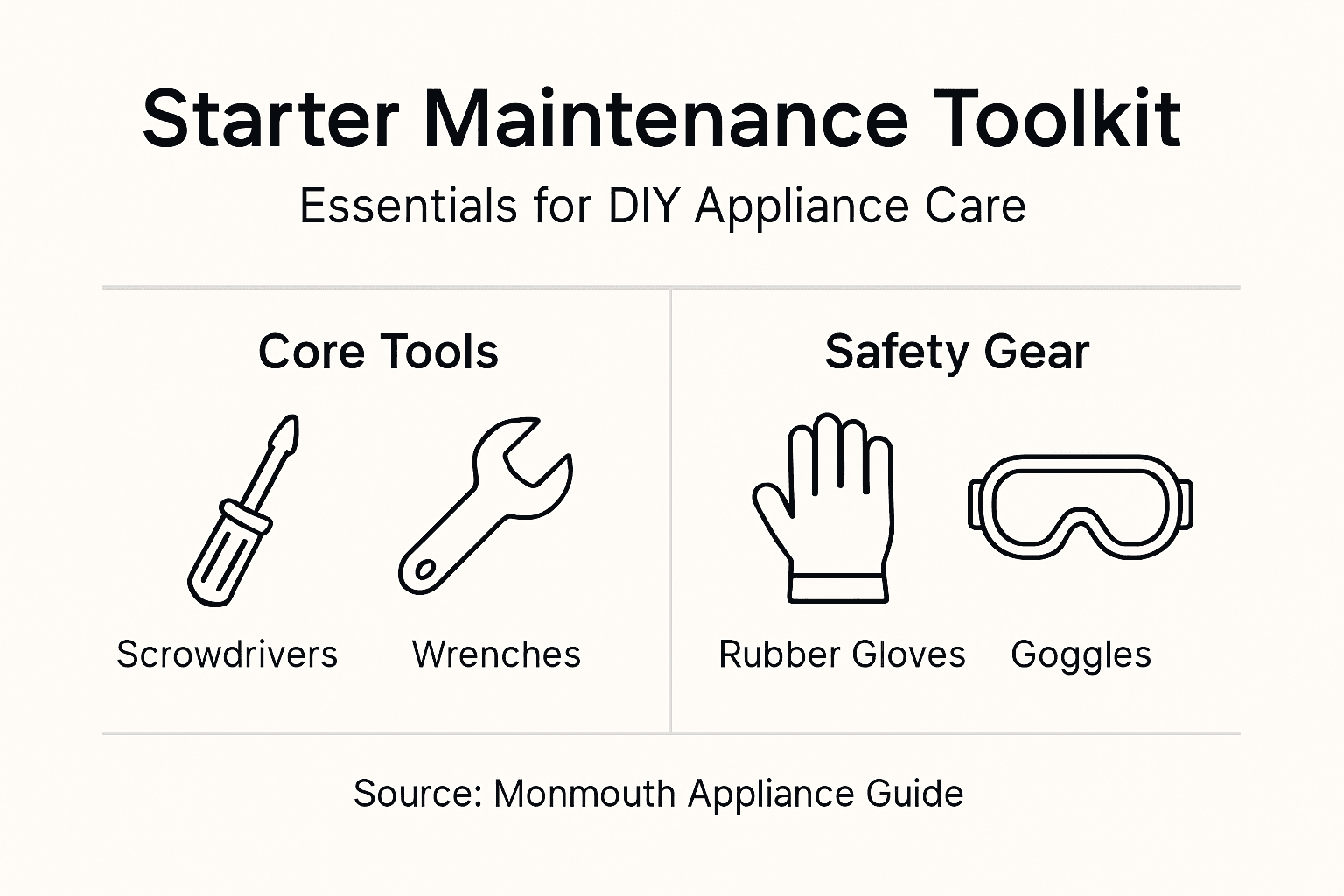
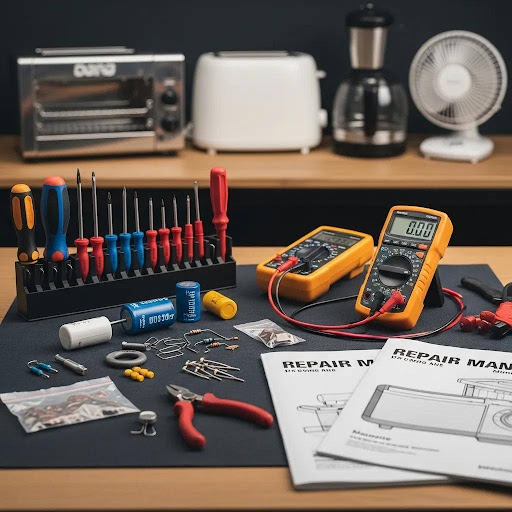
Essential Tools for the Amateur Technician
- Screwdriver set (both flat‑head and Phillips, plus a few Torx bits)
- Adjustable wrench for nuts and bolts of varying sizes
- Multimeter to verify voltage and continuity
- Nut driver set for quick removal of appliance fasteners
- Shop vacuum for clearing dust from coils and vents
- Flashlight or headlamp for low‑light interiors
Investing in quality tools pays dividends; they’re less likely to slip or break, reducing the risk of accidental damage.
Common Issues and Simple Fixes
Below are three everyday problems and the steps that often solve them:
1. Refrigerator Not Cooling Properly
Check the condenser coils behind or beneath the unit; dust acts like insulation and forces the compressor to work harder. Unplug the fridge, pull it away from the wall, and vacuum the coils. Next, inspect the door seals for gaps—warm air seeping in overwhelms the cooling system. A quick soap‑water test will reveal leaks.
2. Washing Machine Won’t Spin
Start by examining the lid switch; many models won’t spin if the lid sensor thinks the door is open. A multimeter can confirm continuity. If the switch is faulty, replace it—usually a simple snap‑in part. Also, clear any debris from the pump filter; a clogged pump can stall the spin cycle.
3. Dryer Takes Too Long to Dry
A restricted vent is often to blame. Detach the vent hose from the dryer and the wall vent, then use a brush or vacuum to clear lint. While you’re at it, inspect the dryer drum belt for wear; a slipping belt reduces tumble efficiency and may need replacement.
Safety First: Precautions to Observe
Even modest repairs can present hazards. Always disconnect power—unplug the appliance or shut off the circuit breaker—before opening any panels. For gas‑powered appliances, turn off the gas supply and ventilate the area. Keep a fire extinguisher nearby, especially when working with appliances that generate heat. Lastly, wear protective gloves and eye protection; a stray screw or sharp edge is an easy cause of minor injuries.
Step‑by‑Step Example: Repairing a Leaky Dishwasher
Water pooling at the bottom of a dishwasher is a frustrating symptom, often caused by a faulty drain hose or a clogged filter. Follow these steps:
- Turn off the power and shut off the water supply to the dishwasher.
- Remove the lower rack to access the filter. Twist and lift the filter assembly, then rinse it under warm water to clear food particles.
- Locate the drain hose (usually behind the unit). Detach it from the garbage disposal or sink inlet, checking both ends for kinks or blockages.
- Run water through the hose with a garden sprayer or a flexible brush; clear any debris that restricts flow.
- Reattach the hose, ensuring a tight seal, then reinstall the filter and lower rack.
- Restore power and run a short wash cycle. Observe the bottom of the tub; the water should drain cleanly.
If the leak persists, the issue may be a cracked tub or a malfunctioning water inlet valve—components that typically require professional replacement.
Knowing When to Call a Professional
Even the most diligent DIYer hits a wall. Signs that professional help is warranted include:
- Repeated failure after multiple attempts.
- Burning smells, sparks, or tripped breakers during operation.
- Complex components like compressors, sealed refrigeration systems, or electronic control boards.
- Lack of proper tools or confidence in diagnosing the issue.
Hiring a certified technician in these scenarios protects your appliance, your home, and your peace of mind.
Frequently Asked Questions
Can I repair a cracked dishwasher tub myself?
Generally, no. The tub is made of stainless steel or enamel that requires specialized welding or replacement parts. Attempting a DIY fix often leads to leaks and may void warranties.
How often should I clean my dryer vent?
It’s wise to inspect and clean the vent at least once a year. If you use the dryer frequently or notice longer drying times, a quarterly check can prevent fire hazards.
Is it safe to replace a refrigerator’s water filter without unplugging it?
While many manufacturers design filters to be changed without power, unplugging the unit eliminates any risk of electric shock, especially if the filter is located behind the back panel.
What’s the best way to test a faulty oven heating element?
Remove the element, set your multimeter to the ohms setting, and measure resistance across the terminals. A functional element typically reads between 10 and 30 ohms; infinite resistance indicates a break.