How to Inspect a Used Dump Truck Before You Buy
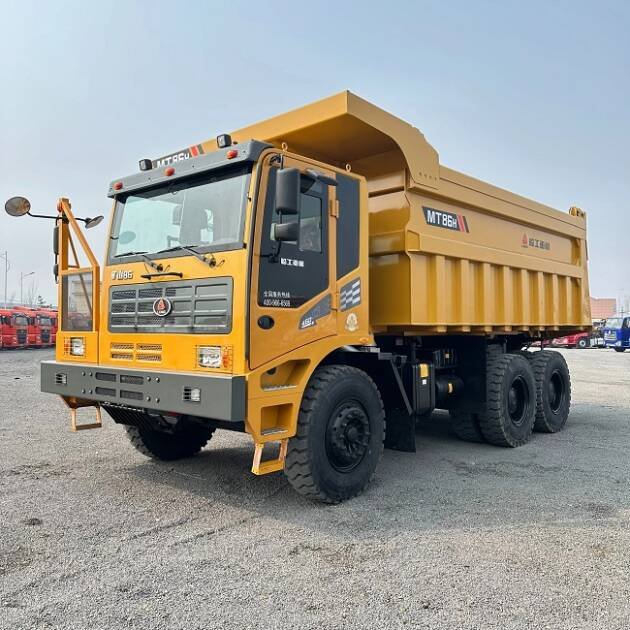
When it’s time to replace a piece of heavy equipment, buying a used dump truck can save you a fortune. But the savings come with risk—an old chassis, a cracked hydraulic system, or hidden rust can cost you more in repairs than the price tag suggests. The best way to avoid costly surprises is to walk through a thorough pre‑purchase inspection. Below is a practical, step‑by‑step guide that covers everything a prospective buyer should verify before sealing the deal.
Used Dump Truck Inspection Checklist
Start with a structured checklist. Treat the truck like any major purchase: you’re looking for value, reliability, and long‑term usability.
- Paperwork audit – Verify VIN, title status, and ownership history.
- Engine health – Inspect for leaks, oil condition, and compression.
- Transmission and drivetrain – Test gear shifts and clutch function.
- Hydraulic and dump bed – Check for smooth operation and leaks.
- Electrical systems – Test battery, alternator, lights, and dashboard gauges.
- Chassis and frame – Look for rust, bent components, and weld integrity.
- Brake system – Evaluate pads, discs, and hydraulic lines.
- Suspension and tires – Inspect for wear and alignment.
- Operating history – Ask for service records and typical use cases.
- Safety compliance – Ensure all required inspections and emissions checks are up to date.
1. Paperwork Audit: The First Red Flag Check
Before you even step onto the chassis, confirm that the vehicle’s title is clean and matches the VIN on the truck. A history report can reveal past accidents, flood damage, or liens. If the seller can’t produce a full-service log, consider a mechanic’s estimate for potential repairs.
2. Engine Health: The Heart of the Machine
Open the hood and look for oil leaks around the gasket seals. A quick dip into the oil can tell you if it’s light or dark and if there’s a metallic sheen—both signs of wear. Perform a compression test or, at minimum, push the starter and listen for a smooth cranking tone. Any hesitation might indicate worn pistons or a failing timing belt.
3. Transmission and Drivetrain: Ensuring Smooth Power Delivery
Shift through all gears—manual or automatic—to catch rough transitions or grinding noises. The clutch, if present, should engage and disengage without slippage. Check the differential fluid level and color; a milky or burnt look is a warning sign.
4. Hydraulic and Dump Bed: The Core Functionality
Lift the bed to the fully retracted position and then lower it. A smooth, silent motion means the hydraulic cylinders are likely in good shape. Inspect the hydraulic lines for cracks or fluid leakage, and confirm that the dump bucket lifts with consistent speed.
5. Electrical Systems: The Modern Necessities
Flip the headlights, taillights, and turn signals on. A dead bulb could indicate a battery issue or a bad alternator. Plug in the truck’s diagnostic port—if available—and run a quick check for error codes. A functioning dashboard with all gauges reading correctly is a positive indicator.
6. Chassis and Frame: The Structural Backbone
Run a flashlight along the frame rails and under the cab for rust patches, dents, or misaligned welds. Pay close attention to the cab mounting points; loose bolts or warped frame sections can compromise safety and longevity.
7. Brake System: The Safety Net
Apply the brakes and feel for any vibrations or pulling to one side. Inspect brake pads for even wear and check the rotor thickness. A brake fluid leak at the master cylinder or lines is a serious red flag.
8. Suspension and Tires: The Ride Quality
Inspect each tire for tread depth and sidewall damage. A quick spin of the wheels will reveal any uneven wear that could hint at alignment issues. Check the suspension bushings for cracking or excessive play.
9. Operating History: The Proven Track Record
Ask the seller about typical usage: heavy haul, construction, or general landscaping. Trucks that spend most of their time at idle on a single job are often less worn than those that travel frequently across rough terrain.
10. Safety Compliance: The Legal Requirement
Verify that the vehicle passed recent safety inspections, emissions tests, and any local regulations specific to dump trucks. A truck that hasn’t had its emissions system checked in years may incur costly penalties.
When to Bring a Professional
Even with a detailed checklist, certain inspections require expertise. A licensed mechanic can perform:
- Compression and leak-down tests
- Hydraulic pressure tests
- Full electrical diagnostics
- Frame and structural analysis
Many sellers offer a pre‑sale inspection package that can be a worthwhile investment to avoid hidden problems.
Common Red Flags to Watch For
During any inspection, keep these warning signs in mind:
- Unexplained rust patches or weld cracks
- Unusual engine noise or vibrations
- Hydraulic fluid that is dark or contains metal particles
- Missing or outdated safety certifications
- Inconsistent or missing documentation on previous repairs
Ignoring any of these could mean costly downtime or even safety hazards on the job site.
Final Checklist Before Signing
- All items in the inspection checklist are verified.
- You have a complete service history and a clean title.
- The seller offers a short warranty or return period.
- You have a written agreement that details any known defects.
With a methodical approach, a used dump truck can provide years of reliable service while keeping your budget intact.
FAQ
Q: How much should I expect to pay for a used dump truck?
A: Prices vary widely based on age, mileage, and condition. Research local listings to gauge a fair range and factor in potential repair costs.
Q: Is it worth buying a truck that needs minor repairs?
A: Minor, inexpensive repairs are often a smart investment if the truck meets your operational needs. Major overhauls, however, may negate the savings.
Q: Can I negotiate the price based on the inspection results?
A: Absolutely. Use any identified issues as leverage to lower the asking price or to request that certain repairs be completed before purchase.
Q: Should I bring a crew to the inspection?
A: If you’re unfamiliar with heavy equipment, bringing a trusted mechanic or experienced colleague can help you spot problems you might otherwise miss.