How to Locate an Author’s ORCID ID Quickly
When you’re compiling a manuscript, preparing a grant application, or simply checking a colleague’s publications, the ORCID ID often pops up as the cleanest way to confirm identity. It’s a 16‑digit, persistent identifier that links a researcher to their work, regardless of name changes or institutional moves. Finding that number can feel like chasing a ghost, especially if the author isn’t actively promoting their profile. Below is a straightforward walk‑through that shows where to look, what tools to use, and how to verify you’ve got the right string of numbers.
Why ORCID Matters for Researchers
Academic ecosystems rely on accurate attribution. Journals, funders, and repositories increasingly require an ORCID ID to streamline metadata, avoid duplicate records, and ensure credit follows the right person. For the author, a registered ORCID serves as a digital signature that lives beyond any single affiliation. For readers, it removes the guesswork when two scholars share a common name.
Where to Look for an ORCID ID
Most researchers display their ORCID in a handful of predictable places. Start with the obvious:
- Personal or laboratory websites – often tucked into the “About” or “Team” sections.
- Institutional profile pages – many universities have a field for ORCID on staff directories.
- Recent publications – the identifier is frequently listed on the title page, in the author information, or as a hyperlink next to the name.
If the author has a social media presence, platforms like Twitter or LinkedIn sometimes include the ORCID in the bio or a pinned post.
Using ORCID’s Public Search
The official ORCID registry offers a free, public search tool that works much like a miniature database. Here’s how to make the most of it:
- Visit orcid.org and click the search icon in the upper‑right corner.
- Enter the author’s full name. If you know the middle initial or a known affiliation, add those to narrow results.
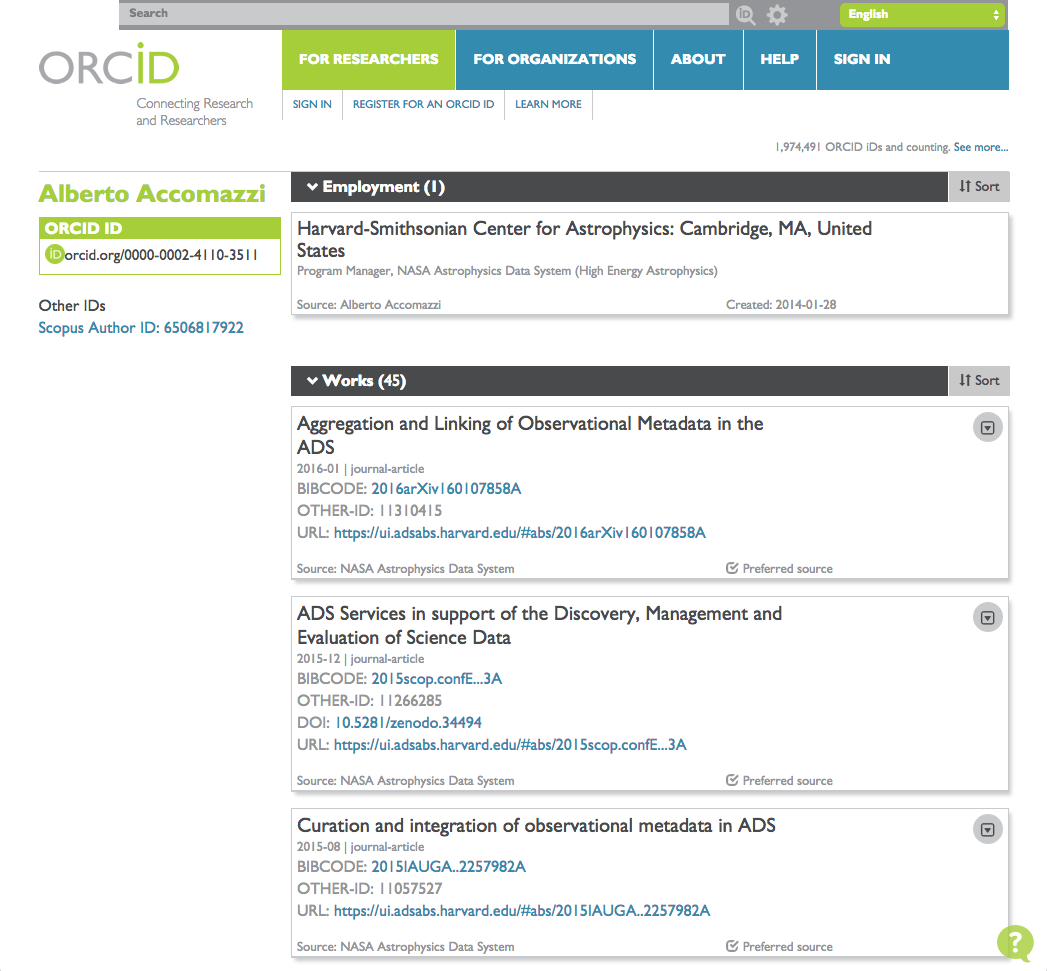
- Review the list of matches. Each entry shows the name, the ORCID ID, and, when available, a short biography or a list of recent works.
Because ORCID profiles are public by default, you can click any ID to see the full record without needing the owner’s permission.
Checking Publisher Platforms and Databases
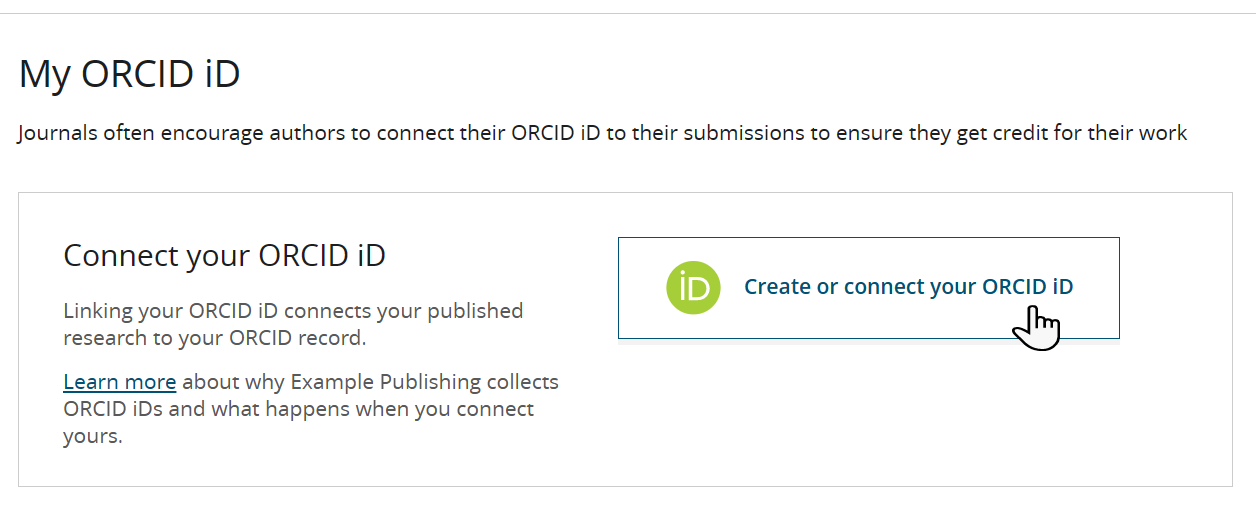
Many scholarly publishers embed ORCID IDs directly into article metadata. When you browse a journal’s website, look for the ORCID icon next to the author’s name; clicking it usually takes you straight to the profile. Major indexing services—PubMed, Scopus, Web of Science—also surface the identifier in the author details section. If you have access through your library, a quick “author search” often yields the ORCID alongside other bibliographic data.
Verifying the ID’s Authenticity
It’s tempting to trust the first string of numbers you encounter, but a quick sanity check can save you from misattribution:
- Confirm the format: four groups of four digits separated by hyphens (e.g., 0000‑0002‑1825‑0097).
- Visit the ID’s URL (
https://orcid.org/followed by the number). A legitimate profile will load without a “not found” error. - Cross‑reference at least one piece of information—such as a listed publication or institutional affiliation—to ensure the profile truly belongs to the author in question.
Common Pitfalls and How to Avoid Them
Even with a systematic approach, a few hiccups are common. Here are the most frequent and how to sidestep them:
- Multiple researchers with identical names. Narrow your search by adding a known email domain, department, or recent article title.
- Outdated or incomplete profiles. Some authors create an ORCID but never fill in details. In those cases, rely on additional sources like university directories.
- Typographical errors. A single misplaced digit renders the ID useless. Double‑check the hyphen placement and digit count.
When Direct Contact Is the Best Option
If public searches come up empty, don’t hesitate to email the author. A brief note asking for their ORCID ID is standard etiquette in many fields, and most scholars are happy to share it. Mention why you need the identifier—whether for citation management, manuscript submission, or data curation—to give context and encourage a prompt response.
Quick Reference Checklist
- Search the author’s personal or institutional web page.
- Use the public ORCID search with name + affiliation.
- Inspect recent publications for the ORCID icon.
- Verify the format and click the URL to confirm ownership.
- Fallback to a polite email if the ID remains elusive.
FAQ
What if an author has an ORCID but it’s set to private?
Authors can choose to keep their profile private, which means the public search won’t display it. In that scenario, the most reliable method is to ask the author directly for the ID.
Can I use an ORCID ID that belongs to someone with a similar name?
No. Misattributing an ID can lead to citation errors and affect metrics. Always confirm at least one piece of overlapping information—such as a shared publication—before assuming it’s the right person.
Do all journals require an ORCID ID for submission?
Not universally, but an increasing number of publishers mandate it for corresponding authors. Even when optional, providing the ID speeds up the editorial workflow and reduces the chance of author‑name confusion.
Is there a cost associated with obtaining an ORCID ID?
Obtaining and maintaining an ORCID ID is completely free. The organization is a nonprofit, and the identifier is intended to be a lifelong, non‑commercial asset for every researcher.