How to Master Media Buying and Boost Business Growth
When a company decides to scale, the first lever it often pulls is advertising. But throwing money at any platform rarely yields the ROI you hope for. Media buying—the strategic purchase of ad inventory across channels—can become the engine that drives sustainable growth, provided it’s handled with discipline and data‑driven insight. Below, we walk through the essential steps to turn a chaotic spend into a predictable growth machine.
Understanding the Basics of Media Buying
At its core, media buying is the process of securing ad placements that align with your brand’s goals, audience, and budget. It differs from media planning, which maps out *where* and *when* to advertise; buying is the execution phase where you negotiate prices, set schedules, and lock in the creative assets. Think of it as a marketplace negotiation: you’re buying shelf space for your message, and the better you understand the market dynamics, the more leverage you have.
Defining Clear Objectives Before You Spend
Every successful campaign starts with a measurable objective. Whether you aim for brand awareness, lead generation, or direct sales, the goal dictates the metrics you’ll track and the channels you’ll prioritize. Write the objective in concrete terms—e.g., “increase qualified leads by 25 % in the next quarter”—so you can later assess whether the media spend delivered value.
Choosing the Right Channels for Your Audience
No single platform fits all businesses. The sweet spot lies where your target demographic consumes content and where the medium supports your creative format. Below are the most common avenues and the contexts they thrive in:
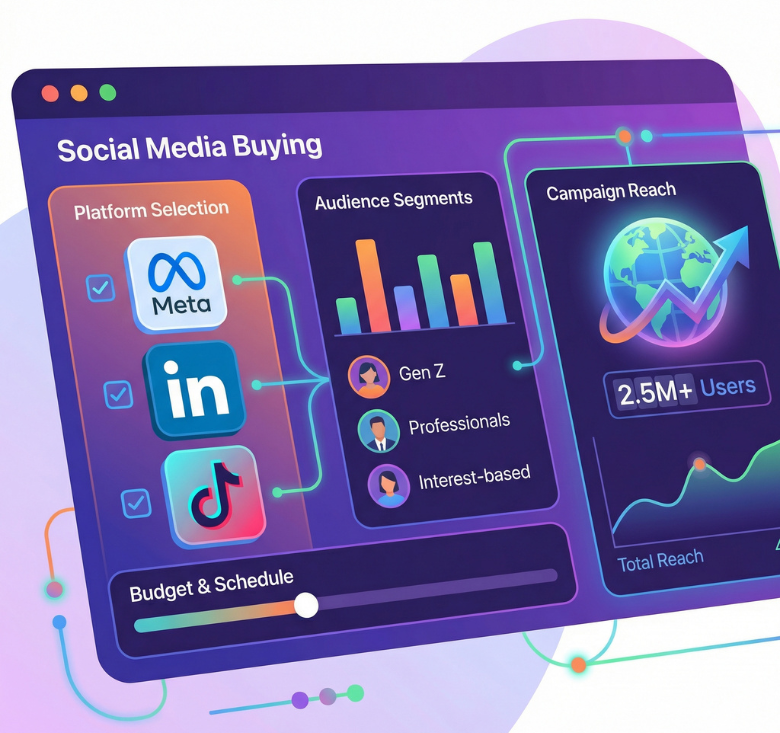
- Social Media (Facebook, Instagram, TikTok) – Ideal for visual storytelling and rapid audience testing.
- Search Engine Marketing (Google Ads, Bing) – Best for capturing intent‑driven traffic.
- Display Networks – Useful for retargeting and building top‑of‑mind awareness.
- Programmatic Audio/Video – Growing in reach, especially among younger listeners and cord‑cutters.
- Traditional Media (TV, Radio, Print) – Still powerful for mass reach in certain industries.
Map each channel to a stage of the buyer’s journey; for instance, use social video to spark interest, then follow up with search ads to capture intent.
Negotiating Rates and Securing Value
Media buying isn’t just a checkout process; it’s a negotiation. Begin by gathering rate cards and historical performance data for the inventory you want. When you have a clear objective and expected ROI, you can push for volume discounts, bonus impressions, or performance‑based pricing. Remember that the lowest CPM isn’t always the best deal—consider audience quality, placement context, and the potential for incremental lift.
Leveraging Data and Optimization
Modern media buying thrives on real‑time data. Set up tracking pixels, UTM parameters, and conversion tags before the campaign launches. As data rolls in, look for patterns: high‑performing placements, time‑of‑day spikes, and creative fatigue. Use these insights to reallocate budget on the fly, pausing underperforming ads and scaling winners. Continuous A/B testing of copy, visuals, and calls‑to‑action keeps the campaign fresh and improves cost efficiency.
Measuring Success: KPIs That Matter
What gets measured gets managed. Align your key performance indicators (KPIs) with the objective you set earlier. Common KPIs include:
- Cost per Acquisition (CPA)
- Return on Ad Spend (ROAS)
- Click‑Through Rate (CTR)
- View‑Through Conversions
- Engagement Rate for brand‑awareness campaigns
Regularly compare actual results against benchmarks and be prepared to adjust targets as market conditions evolve.
Common Pitfalls and How to Avoid Them
Even seasoned marketers stumble. One frequent error is chasing vanity metrics like impressions without tying them to downstream actions. Another is over‑reliance on a single platform—diversification reduces risk when algorithms shift. Finally, neglecting post‑click experience can waste spend; ensure landing pages load quickly, match ad messaging, and have clear conversion paths.
Putting It All Together: A Sample Workflow
Below is a concise roadmap you can adapt to your own business:
- Step 1 – Research: Identify audience personas, map media consumption habits, and gather baseline performance data.
- Step 2 – Goal Setting: Draft SMART objectives linked to revenue or lead targets.
- Step 3 – Channel Selection: Choose 2‑3 primary channels that align with each stage of the buyer’s journey.
- Step 4 – Budget Allocation: Assign spend based on expected impact, reserving a portion for testing.
- Step 5 – Creative Production: Develop adaptable assets (e.g., short video, carousel ads) that can be repurposed across platforms.
- Step 6 – Execution & Tracking: Launch campaigns, embed tracking codes, and set up automated reporting.
- Step 7 – Optimization: Review data daily, shift budget to high‑performing placements, and refresh creative weekly.
- Step 8 – Reporting: Compile a post‑campaign analysis that links spend to business outcomes, and feed insights into the next cycle.
Frequently Asked Questions
What’s the difference between CPM and CPC, and which should I prioritize?
CPM (cost per thousand impressions) is useful for brand‑awareness goals where reach matters. CPC (cost per click) aligns better with direct‑response objectives because you only pay when a user engages. Choose based on the stage of the funnel you’re targeting.
How much of my marketing budget should be dedicated to media buying?
There’s no one‑size‑fits‑all answer, but many growing businesses allocate 30‑45 % of total marketing spend to paid media. Adjust the percentage as you gather performance data and refine your acquisition cost targets.
Is programmatic buying worth the complexity for small businesses?
Programmatic can offer precise targeting and real‑time bidding benefits, but the learning curve and platform fees may outweigh the gains for very small budgets. Start with direct buys on platforms you already use, then explore programmatic as you scale.
How often should I refresh my ad creative?
Creative fatigue typically appears after 2‑3 weeks of continuous exposure to the same audience. Rotating assets or testing new variations every 10‑14 days helps maintain engagement and prevents rising CPMs.