How to Navigate the Stockbit API: A Practical Documentation Guide
The Stockbit API opens a gateway to real‑time market data, portfolio management, and social investing features directly from the platform. Whether you’re building a trading bot, integrating analytics into a dashboard, or simply pulling historical price feeds, a clear grasp of the documentation saves hours of trial‑and‑error. Below, we walk through the essential sections of the Stockbit API docs, highlight common stumbling blocks, and provide bite‑size examples you can copy‑paste into your own code.
Understanding the Stockbit API Documentation
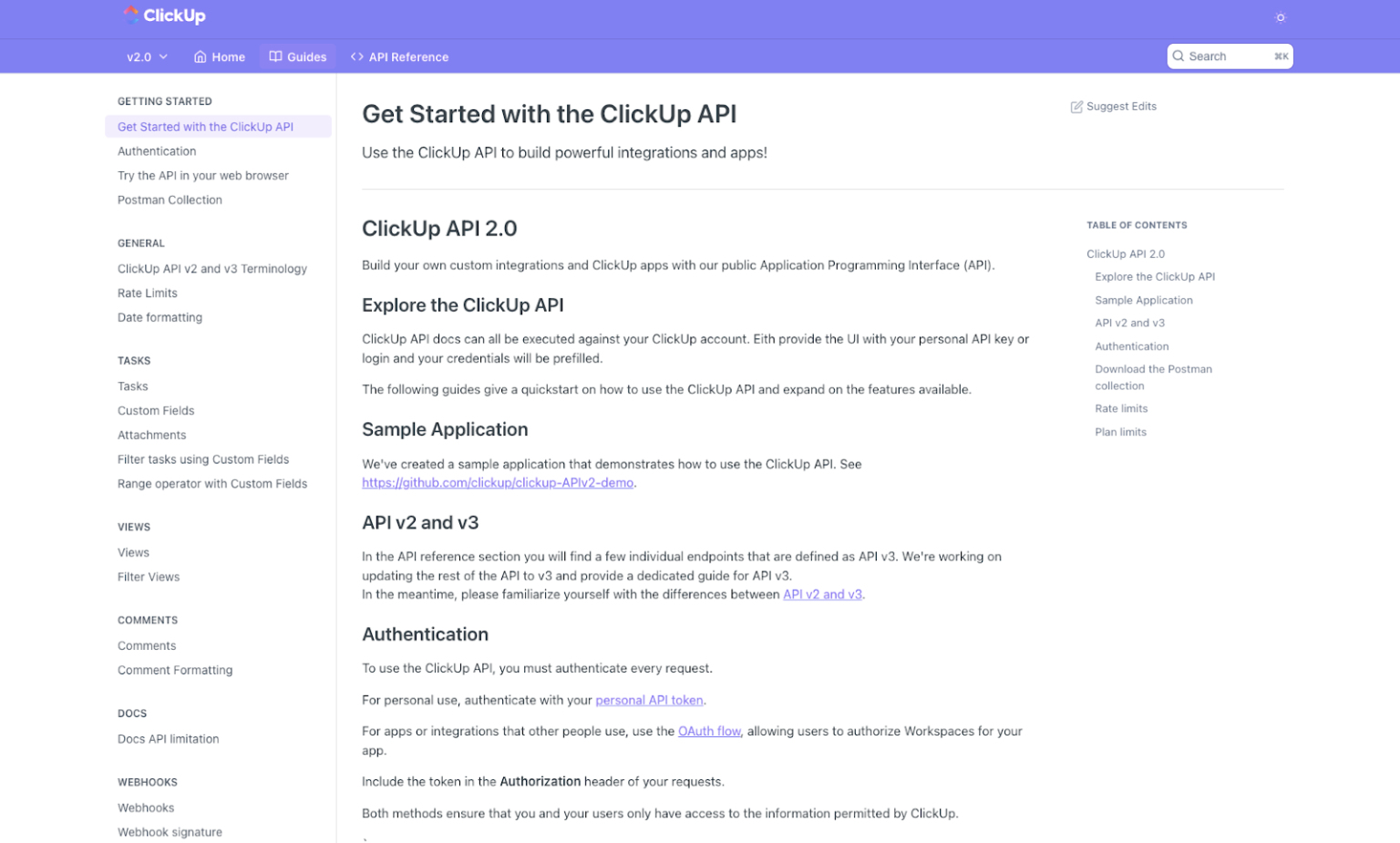
First‑time visitors often wonder where to start. The official docs are organized into three pillars: Authentication, Endpoints, and Best Practices. Each pillar lives under its own tab on the developer portal, and the sidebar lets you filter by product (e.g., Quotes, Watchlists, Community). Skim the introductory page for a quick glossary—terms like “ticker”, “order book”, and “sentiment score” are defined in plain language, which is handy if you’re new to the Stockbit ecosystem.
Authentication Basics
Stockbit relies on token‑based authentication. After registering an application, you receive a client_id and client_secret. These are exchanged for an access token via a POST request to the /oauth/token endpoint. The token expires after 24 hours, so most integrations store it in a secure cache and refresh automatically.
- Step 1: Send a JSON payload with
grant_type=client_credentials, yourclient_id, andclient_secret. - Step 2: Parse the
access_tokenfrom the response and prepend it withBearerin theAuthorizationheader of every subsequent call. - Step 3: Implement a refresh routine that re‑authenticates before the token lapses.
Remember to keep your credentials out of version control; environment variables or a secret manager are the safest options.
Key Endpoints You’ll Use Most
The API groups its resources by function. Below are the handful of endpoints that cover the majority of use cases.
- /v1/quotes/{ticker} – Returns the latest price, bid/ask spread, and daily volume for a given ticker.
- /v1/quotes/history – Accepts
ticker,from, andtoparameters to pull candlestick data (1 min, 5 min, daily). - /v1/watchlists/{user_id} – Retrieves a user’s custom watchlist, including personal notes and target prices.
- /v1/community/sentiment/{ticker} – Aggregates community sentiment scores, useful for gauging market mood.
- /v1/portfolio/{user_id} – Provides a snapshot of holdings, unrealized gains, and dividend forecasts.
Each endpoint follows a consistent pattern: HTTP GET for reads, POST for creations, PUT for updates, and DELETE for removals. Responses are JSON‑encoded, with a top‑level status field indicating success or error, and a data object containing the payload.
Handling Rate Limits and Errors
Stockbit enforces a generous but finite rate limit—typically 120 requests per minute per access token. When you breach this threshold, the API returns a 429 Too Many Requests status along with a Retry-After header. A robust client should respect this header, pause accordingly, and then retry.
Other common error codes include:
400 Bad Request– Missing required parameters or malformed JSON.401 Unauthorized– Token is absent, expired, or invalid.404 Not Found– The requested ticker or user does not exist.500 Internal Server Error– A temporary issue on Stockbit’s side; retry after a short back‑off.
Wrapping calls in a try‑catch block (or equivalent) and logging the status and message fields will make debugging far less painful.
Practical Example: Pulling Daily Candles for AAPL
Below is a minimal Python snippet that authenticates, fetches the last 30 days of daily candles for Apple (AAPL), and prints the closing prices. You can adapt the same logic to other languages—Stockbit’s HTTP contract is language‑agnostic.
import requests, os, datetime# Load credentials from environment
client_id = os.getenv('STOCKBIT_CLIENT_ID')
client_secret = os.getenv('STOCKBIT_CLIENT_SECRET')
# 1️⃣ Get access token
auth_resp = requests.post(
'https://api.stockbit.com/oauth/token',
json={'grant_type':'client_credentials',
'client_id':client_id,
'client_secret':client_secret}
)
token = auth_resp.json()['access_token']
headers = {'Authorization': f'Bearer {token}'}
# 2️⃣ Define date range (last 30 days)
today = datetime.date.today()
start = today - datetime.timedelta(days=30)
# 3️⃣ Fetch historical candles
params = {
'ticker': 'AAPL',
'from': start.isoformat(),
'to': today.isoformat(),
'interval': '1d'
}
candles_resp = requests.get(
'https://api.stockbit.com/v1/quotes/history',
headers=headers,
params=params
)
# 4️⃣ Print closing prices
for candle in candles_resp.json()['data']:
print(f"{candle['date']}: {candle['close']}")
The script demonstrates three best‑practice patterns: using environment variables for secrets, handling JSON responses safely, and respecting the API’s pagination (if the result set exceeds the default page size, follow the next link provided in the response).
Tips for Scaling Your Integration
When you move from a prototype to production, a few extra considerations pay off.
- Cache Frequently Requested Data. Stock prices change every second, but static metadata—like company names or sector classifications—can be cached for hours.
- Batch Requests. The
/quotes/batchendpoint accepts an array of tickers and returns a single JSON payload, cutting down on round‑trip latency. - Webhooks for Real‑Time Updates. Instead of polling, subscribe to the
/webhooks/pricestream. Stockbit will POST updates to your endpoint as soon as a price moves beyond a threshold you set. - Monitor Usage. The developer portal offers a dashboard showing daily request counts and error rates. Set up alerts if you approach the rate limit.
These strategies keep your application responsive while staying within Stockbit’s fair‑use policies.
FAQ
Do I need a paid Stockbit account to access the API?
Basic access is free for registered developers, but higher rate limits and premium data (e.g., extended historical ranges) require a paid plan.
Can I retrieve data for non‑Indonesian stocks?
Yes. The API supports a global set of tickers, though coverage and depth may vary compared with Indonesian equities.
What authentication method is recommended for mobile apps?
Mobile clients should use OAuth 2.0’s Authorization Code flow with PKCE, which avoids storing the client secret on the device.
Is there a sandbox environment for testing?
Stockbit offers a sandbox that mirrors the production API but returns mock data, allowing you to test error handling without affecting real accounts.