How to Rock the Sporting Wave Hairstyle for Women
When you picture a look that blends effortless movement with a touch of athletic flair, the sporting wave hairstyle for women often comes to mind. It’s a style that feels both relaxed and polished, making it a favorite for everything from weekend hikes to a casual day at the office. Below, we’ll unpack what gives this wave its signature bounce, who can pull it off best, and step‑by‑step guidance to create the look on your own hair.
What Sets the Sporting Wave Apart?
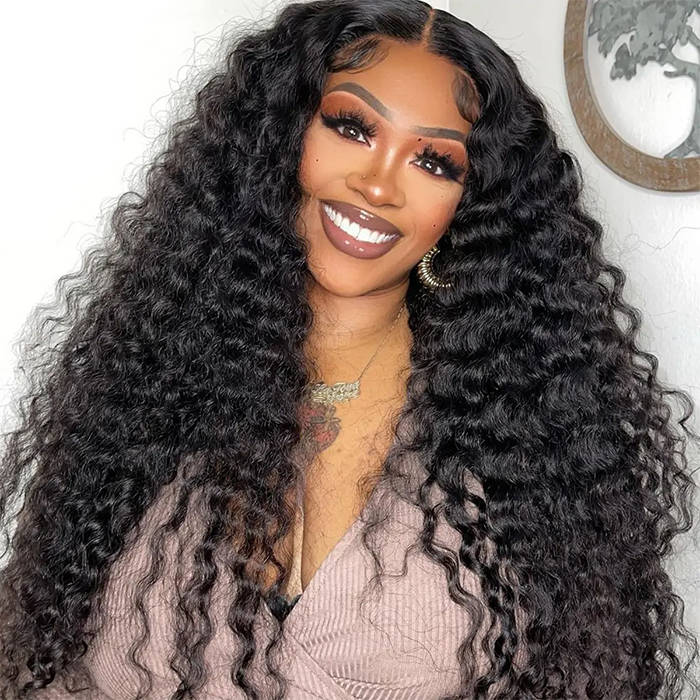
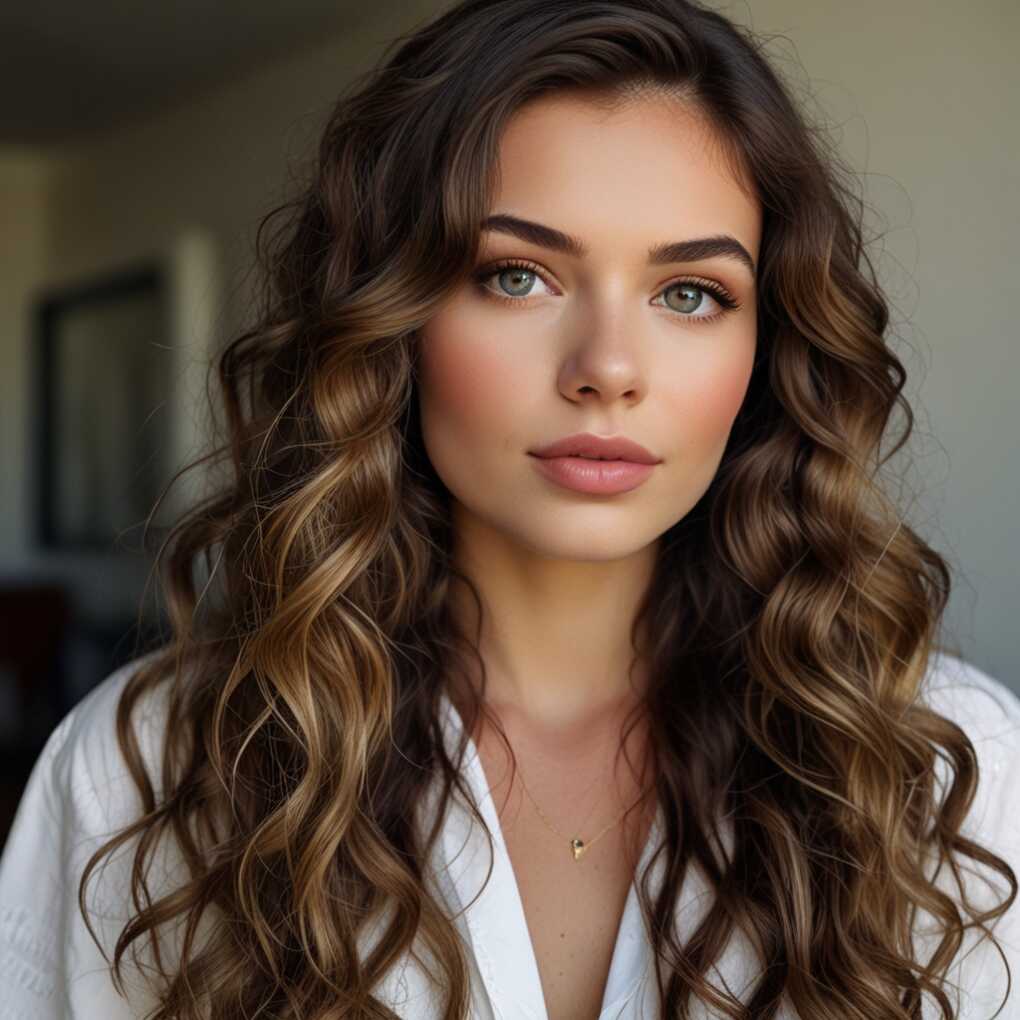
The sporting wave isn’t just another beach‑y curl; it’s a structured yet loose wave that mimics the natural undulation you might see in a surfer’s hair after a salty session. Unlike tight ringlets, the waves are broader, often ranging from two to four inches in diameter, and they maintain a soft, “just‑out‑of‑the‑gym” texture. The result is a look that feels active without looking over‑styled.
Who Benefits Most From This Look?
While the wave works on many hair types, it shines brightest on medium to long lengths with at least a few inches of natural texture. Those with fine hair will appreciate the added volume, while thicker strands love the controlled looseness that prevents a heavy, frizzy feel. If you’re comfortable with a little heat or a light styling product, you’re already a good candidate.
Hair Types and Adaptations
- Fine or Straight: Add a texturizing spray before shaping to give the hair something to grip.
- Wavy or Curly: Enhance the natural pattern with a diffuser and a curl‑defining cream.
- Thick or Coarse: Work in a smoothing serum to tame excess bulk while preserving the wave’s bounce.
Step‑by‑Step Guide to Create the Sporting Wave
Ready to try it yourself? Follow these five steps for a reliable, repeatable result.
1. Prep Your Hair
Start with clean, damp hair. A lightweight shampoo that won’t strip moisture, followed by a conditioner focused on the mid‑lengths, sets a good foundation. If you have naturally straight hair, spritz a sea‑salt mist to introduce a subtle texture.
2. Apply the Right Product
Choose a medium‑hold mousse or a lightweight styling cream. Work a nickel‑size amount through the roots and mid‑sections, focusing on the ends where the wave will form. Avoid heavy gels that could weigh the waves down.
3. Create the Base Curl
Using a 1.25‑ to 1.5‑inch barrel curling iron, take a section of hair and wrap it away from your face, leaving the tip free. Hold for about eight seconds, then release. For a more relaxed vibe, let the iron hover for a second less than usual.
4. Loosen and Shape
Once the entire head is curled, run your fingers through the curls, gently pulling apart the sections to achieve that loose, “sporty” wave. If you prefer a more defined look, use a wide‑tooth comb for a slightly tighter finish.
5. Finish with Hold and Shine
A light mist of flexible hairspray locks the shape without making the hair feel crunchy. Finish with a touch of shine serum on the ends to add a subtle gloss that catches the light.
Maintenance Tips to Keep the Wave Fresh
Unlike a high‑glam updo, the sporting wave is designed for low‑maintenance living, but a few habits can extend its life between washes. Sleeping on a silk pillowcase reduces friction, helping the waves stay intact overnight. If you need a quick refresh, a few seconds with a handheld steamer or a spritz of water followed by a light finger‑comb will revive the bounce.
Styling Variations for Different Occasions
One of the wave’s biggest strengths is its adaptability. Here are three easy twists:
- Half‑Up, Half‑Down: Pull the top section into a loose ponytail or braid, leaving the waves to cascade below for a sporty‑chic vibe.
- Messy Top Knot: Gather the hair into a low bun, allowing the waves to peek out from the sides—perfect for a post‑workout look.
- Side‑Swept Finish: Sweep the wave to one side and secure with a decorative clip; it adds a touch of elegance without losing the casual feel.
Common Mistakes and How to Avoid Them
Even seasoned stylists can slip up when working with waves. The most frequent error is over‑applying product, which can lead to a gummy texture. Start with a small amount and add more only if needed. Another pitfall is using a curling iron that’s too hot; high heat can damage fine strands and create a “crunchy” look. Aim for a temperature around 350°F (180°C) for most hair types.
Choosing the Right Tools and Products
Investing in quality tools makes a noticeable difference. Look for a curling iron with a ceramic barrel; it distributes heat evenly and reduces frizz. Pair it with a sea‑salt spray that contains moisturizers, so you get texture without dehydration. A flexible hairspray that offers a medium hold will keep the wave lively while allowing movement.
FAQ
Can I achieve the sporting wave without heat?
Yes. On damp hair, braid sections loosely and let them dry overnight. When you undo the braids, you’ll have a soft, wavy texture that mimics the sporting wave’s relaxed feel.
How long does the wave usually last?
With the right product combination and a light mist of hairspray, the wave can hold up for 1‑2 days, especially if you avoid excessive humidity or heavy rain.
Is the sporting wave suitable for short hair?
While the classic version shines on longer lengths, a mini‑wave can be created on bob cuts using a smaller barrel iron (¾‑inch). The effect is subtler but still carries that athletic vibe.
What’s the best way to add volume to fine hair?
Begin with a volumizing shampoo, then apply a root‑lifting mousse before blow‑drying. When you curl, focus on the roots to lift the wave upward, giving the illusion of thicker hair.