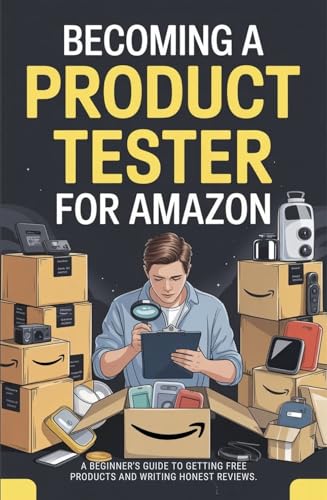
How to Start Product Testing: A Beginner’s Guide
Ever wondered what it feels like to try the latest gadgets before they hit store shelves? Become a product tester and you’ll get a front‑row seat to new releases, from tech gizmos to household items. The role is part curiosity, part responsibility: you provide honest feedback that shapes the final product. If you’re new to the scene, this guide walks you through the basics, from finding opportunities to delivering useful reviews.
Understanding the Role of a Product Tester
Product testers act as the bridge between manufacturers and consumers. Companies hand out prototypes or early‑stage products, asking testers to note performance, usability, and any quirks. In return, testers often receive the item for free, occasional compensation, or simply the satisfaction of influencing design. The work isn’t just about saying “I love it”; it’s about offering clear, constructive critique that developers can act on.
Steps to Become a Product Tester
Getting started is easier than you might think. Follow these practical steps, and you’ll be on your way to sampling new products in no time.
- Identify Your Niche. Do you love tech, cosmetics, food, or home appliances? Focusing on a niche helps you stand out and makes your feedback more valuable.
- Build an Online Presence. Create a simple blog, a YouTube channel, or an Instagram account where you can share honest reviews. Even a modest following signals credibility to brands.
- Sign Up with Testing Platforms. Websites like Influenster, ProductTube, and BetaTesting regularly recruit new testers. Fill out profiles thoroughly—details about your age, location, and interests matter.
- Respond Promptly. Companies often have tight timelines for feedback. Answer invitations quickly and meet any deadlines they set.
- Document Your Experience. Keep notes on first impressions, usability, durability, and any issues. Photos or short videos add credibility to your review.
- Provide Balanced Feedback. Highlight both strengths and weaknesses. Brands appreciate honesty more than uncritical praise.
What Companies Look for in Testers
Beyond enthusiasm, brands seek certain traits. They want testers who can follow instructions, communicate clearly, and represent a target demographic. Some companies even require a minimum number of followers or a specific age range. Demonstrating reliability—by submitting reports on time and following guidelines—can lead to repeat invitations and higher‑value products.
Legal and Ethical Considerations
When you test a product, you’re often bound by a non‑disclosure agreement (NDA). This means you can’t share proprietary details until the company lifts the restriction. Breaching an NDA can damage your reputation and close doors to future opportunities. Additionally, always disclose any compensation or free products when you post reviews; transparency builds trust with your audience and complies with advertising regulations.
Tips for Crafting Effective Reviews
Good reviews are concise, specific, and useful. Here are a few pointers:
- Start with a brief summary—what is the product and who might benefit?
- Use real‑world scenarios. Instead of saying “the battery lasts long,” describe how many hours it survived a typical day of use.
- Include measurable data when possible, such as weight, dimensions, or charge time.
- Compare the product to similar items you’ve used; this context helps readers gauge value.
- Conclude with a clear recommendation—whether you’d buy it, suggest improvements, or recommend it to a specific group.
Monetizing Your Testing Experience
While many testing gigs are unpaid, there are ways to turn your hobby into a modest income stream. Affiliate links, sponsored posts, and ad revenue on a review blog can generate earnings. Just remember to label sponsored content clearly; the Federal Trade Commission (FTC) requires disclosure to avoid misleading viewers.
Common Pitfalls and How to Avoid Them
New testers sometimes fall into a few traps. Over‑promising on the number of reviews you’ll produce can lead to missed deadlines, hurting your reputation. Accepting every invitation without considering fit may dilute the quality of your feedback. Finally, ignoring NDA terms can have legal repercussions. Stay selective, organized, and mindful of contractual obligations.
Frequently Asked Questions
Can anyone become a product tester, or do I need prior experience?
No formal experience is required, but having a clear interest in a product category and the ability to articulate thoughts helps. Many companies welcome fresh perspectives, especially for consumer‑focused items.
How much compensation can I expect?
Compensation varies widely. Some testers receive the product for free with no monetary payment; others earn a modest stipend, gift cards, or points redeemable for rewards. High‑value or specialized testing (e.g., medical devices) may pay more.
Do I need a large social media following to be considered?
Not necessarily. While influencers with large audiences often get priority, many brands seek authentic feedback from everyday consumers. A well‑maintained niche blog or a modest but engaged follower base can be equally appealing.
What should I do if I receive a defective product?
Report the issue promptly and provide details about the defect. Most companies appreciate honesty and will either replace the item or adjust future testing criteria. Avoid posting negative reviews publicly until you’ve communicated with the brand, as this maintains professionalism.
Starting as a product tester blends curiosity with a dash of responsibility. By following the steps above—choosing a niche, building an online presence, joining reputable platforms, and delivering thoughtful feedback—you’ll not only get a steady stream of new items to try but also help shape the products that eventually land on store shelves. Happy testing!