How to Use a Free Sweat‑Equity Partnership Agreement for Your LLC
Starting an LLC with friends or co‑founders often means swapping sweat for shares. If you’re on a tight budget, a free sweat‑equity partnership agreement template can be a lifesaver. It gives you a ready‑made framework that you can tweak to fit your project, ensuring everyone knows what they owe and what they receive in return.
Free Sweat Equity Partnership Agreement Template for LLC: What It Covers
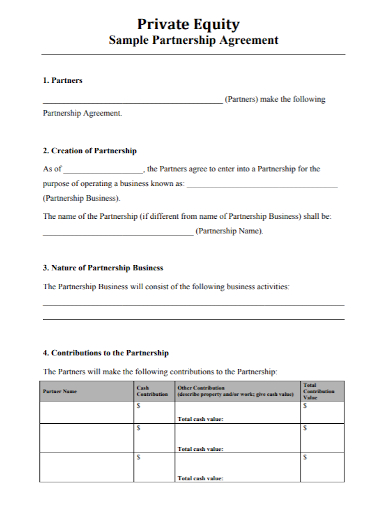
This template usually breaks down into three main sections: roles and responsibilities, equity allocation and vesting, and legal safeguards. By outlining each partner’s contributions—whether they’re hours, expertise, or equipment—you avoid the “he said, she said” scenarios that can cripple a new venture. The vesting schedule protects the company if a founder walks away early, while the legal safeguards lock in intellectual property and govern disputes.
Key Elements Every Sweat‑Equity Agreement Should Contain
- Parties Involved: Names, legal entities, and contact details.
- Capital Contributions: Cash, property, or services in exchange for equity.
- Equity Allocation: Percentage of ownership each partner receives.
- Vesting Schedule: Time‑based or milestone‑based release of shares.
- Roles & Responsibilities: Clear description of tasks each partner will perform.
- Intellectual Property Assignment: Assignment of any IP created during the partnership.
- Dispute Resolution: Mediation or arbitration steps before litigation.
- Termination Conditions: How a partnership ends and equity is handled.
How to Customize the Free Template for Your Business
Customization is where the template turns into a living document. Start by
- listing every partner and their specific skills;
- defining the exact number of shares each will earn; and
- setting realistic milestones—like launching a minimum viable product or securing the first customer—that trigger vesting.
When drafting the equity section, use a founders’ ledger style to track shares over time. If a partner’s contribution changes, adjust the ledger accordingly. Remember to keep the language simple; avoid legalese that could confuse non‑lawyers.
Legal Considerations and Common Pitfalls
Even a free template can expose you to risk if not reviewed by a professional. A few red flags:
- Missing state compliance clauses—LLCs are governed by state statutes.
- Inadequate intellectual property clauses, risking ownership disputes.
- Unclear vesting triggers, leading to ambiguity if a partner quits mid‑project.
- Overlooking tax implications; sweat equity may be treated as income.
After tailoring the document, run it through a quick check: does it reflect all verbal agreements? Does it align with your state’s LLC operating agreement? If any doubt remains, a brief consultation with a business attorney can save headaches later.
When Is a Free Template Enough?
For startups in the ideation or pre‑seed stage, a free template often suffices. It covers the essentials without the overhead of drafting a custom agreement from scratch. However, if your venture involves:
- complex IP ownership;
- multiple investors or third‑party funding;
- or significant capital commitments from partners,
invest in a professional draft. The extra cost can prevent costly legal disputes down the line.
Next Steps: Downloading and Using the Template
Find a reputable source that offers a clean, editable PDF or Word file. Once you’ve downloaded it:
- Open the file and replace placeholder names with real ones.
- Adjust the equity percentages to match your agreed split.
- Insert your vesting schedule—most templates default to a 4‑year schedule with a 1‑year cliff.
- Sign electronically or in person, ensuring each partner retains a copy.
- Store the signed agreement in a secure digital location, like a cloud drive with access control.
Remember, the goal isn’t just to have a paper; it’s to create a living agreement that evolves with your company.
Frequently Asked Questions
What is sweat equity?
Sweat equity refers to non‑monetary contributions—such as time, effort, or expertise—given in exchange for ownership in a company.
Can I use a free template if I’m not a lawyer?
Yes, but ensure the document aligns with local LLC laws and clearly reflects all parties’ intentions. A quick lawyer review is advisable.
Do I need to include a vesting schedule?
Vesting protects the company by ensuring that equity is earned over time. It’s especially important if a partner might leave early.
What if the partnership dissolves before the equity vests?
Typically, unvested shares revert to the company. The agreement should specify the exact process to avoid