How to Use a Relax Massage Tool: Step‑by‑Step Guide
When the day’s stress starts to pile up, a relax massage tool can be a quick, pocket‑friendly way to melt tension from stubborn muscles. Whether you’re a fitness enthusiast, a desk worker, or simply a person who enjoys a good self‑care routine, knowing how to use these devices correctly maximizes benefit and keeps you injury‑free. This guide breaks down the essentials: what the tools do, how to pick one that fits your needs, the proper technique, and the best maintenance practices.
Understanding Relax Massage Tool Usage
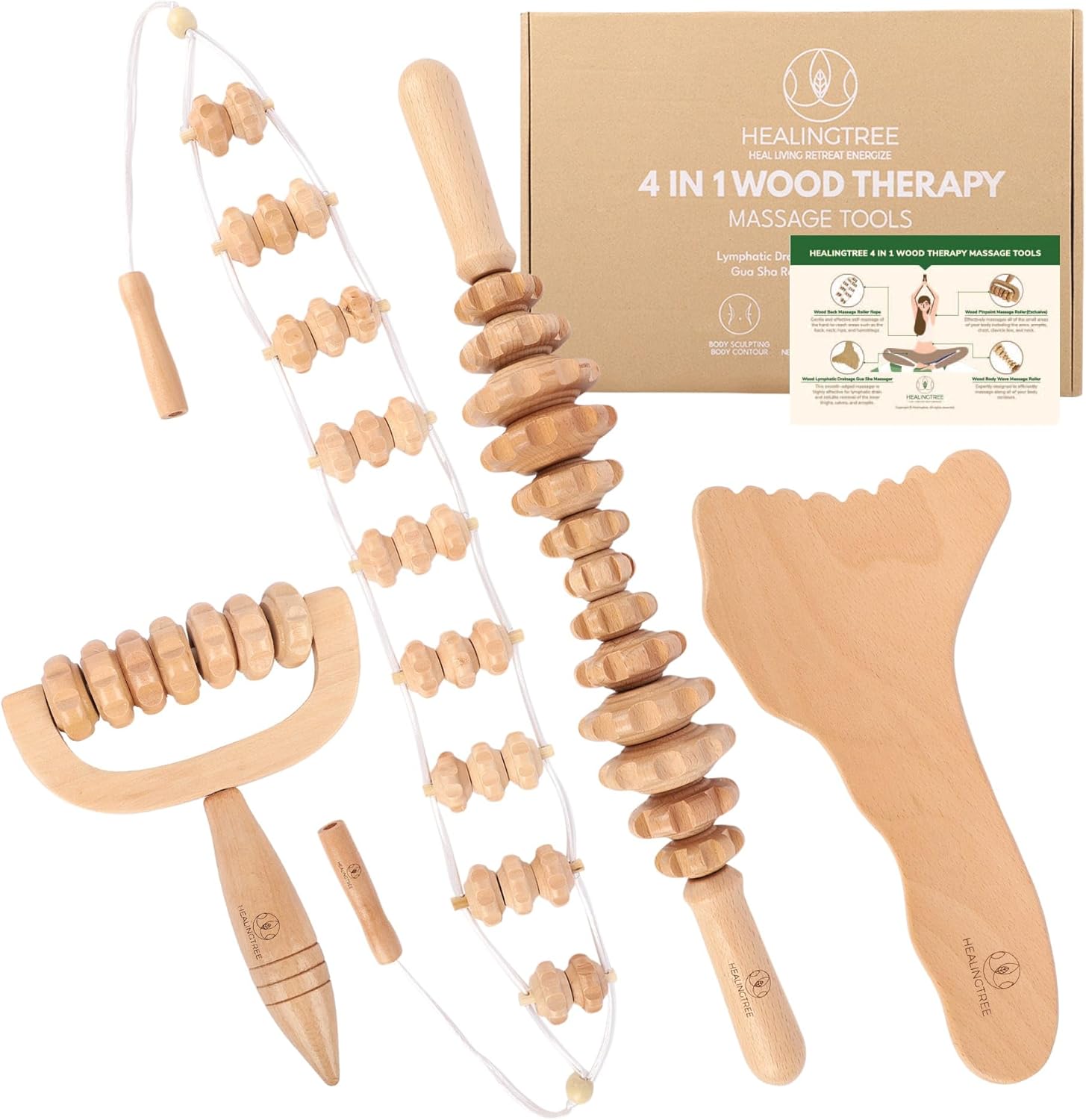
Relax massage tools come in a variety of shapes and mechanisms. The most common types are handheld massagers, vibration devices, and percussion rollers. Each uses mechanical action to stimulate blood flow and break up trigger points, but the force, rhythm, and target area differ.
- Handheld massagers provide direct, focused pressure and are ideal for small muscle groups.
- Vibration tools deliver oscillatory pulses that soothe larger areas like the back or thighs.
- Percussion rollers combine rhythmic taps with deeper penetration, great for post‑workout recovery.
Knowing which type suits your goals is the first step toward effective relaxation.
Choosing the Right Tool for Your Routine
When selecting a device, consider the following factors:
- Intensity range – Some models let you dial up or down the power; start on a lower setting to gauge comfort.
- Battery life – Long‑lasting charge cycles are handy if you travel or use the device daily.
- Attachments – Heads with different textures or sizes allow targeted therapy on varied body parts.
- Portability – Compact designs fit in gym bags, making it easier to keep up with a consistent schedule.
Try a demo or read reviews focused on reliability and user experience before committing.
Getting Started: The Basics of Proper Use
Before you press “start,” read the instruction manual. Here’s a quick rundown:
- Warm‑up the area. A light stretch or 5‑minute walk increases blood flow and reduces the risk of bruising.
- Position the tool. Align it with muscle fibers, not against joints, to avoid irritation.
- Apply gentle pressure. Start slow; let the device do the work. You can increase pressure gradually if needed.
- Move consistently. Keep the device moving at a steady pace—usually 3–5 seconds per segment—to maintain a rhythmic flow.
- Time limit. Aim for 2–3 minutes per muscle group; most manufacturers recommend a total session of 10–15 minutes.
- Cool down. Finish with light stretching or a brief walk to let muscles relax further.
Target Areas for Maximum Relief
Some of the most common spots where a relax massage tool shines:
- Neck and shoulders – Gentle rolling across the upper trapezius can relieve stiffness after a long day at a computer.
- Upper back – Targeting the thoracic spine reduces tension from slouching.
- Lower back – Light percussion on the lumbar area eases chronic back pain.
- Legs and calves – Post‑run or after standing for hours, a vibration or percussion massage helps prevent cramps.
- Feet – A foot massager can stimulate reflex zones, promoting overall relaxation.
Safety Tips and Common Mistakes
Even with a simple device, mishandling can cause discomfort or injury.
- Do not use over broken skin, open wounds, or inflamed areas.
- Avoid pressing too hard on bone‑rich spots like the spine or elbows.
- If you have circulatory conditions or are pregnant, check with a healthcare provider before use.
- Keep the device out of reach of children to prevent accidental misuse.
Listening to your body—pausing if you feel sharp pain—helps you stay safe.
Maintaining Your Relax Massage Tool
A well‑maintained device lasts longer and performs better. Follow these steps regularly:
- Clean the head. Use a mild soap solution and a soft cloth. Avoid harsh chemicals that could damage the surface.
- Check the battery. Recharge fully after each use and replace batteries when they no longer hold a charge.
- Inspect for wear. Replace attachments or the device if the surface feels worn or the motor shows signs of strain.
- Store properly. Keep it in a dry, cool place—away from extreme heat or moisture—to preserve battery health.
These simple habits extend the life of the tool and keep your massages effective.
Integrating Massage Tools Into a Wellness Routine
For best results, pair your relax massage tool with complementary habits:
- Regular stretching before and after using the device enhances flexibility.
- Hydrate well; fluids aid circulation and help muscles recover faster.
- Use a warm compress on sore areas before a session to loosen tight fibers.
- Alternate between different attachment heads to target various tissues.
Consistent practice—two to three times per week—creates a noticeable reduction in tension and improves overall well‑being.
FAQs About Relax Massage Tool Usage
- Can I use a relax massage tool on my head?
It’s best to avoid the scalp, as it is highly sensitive. Focus on neck and shoulder areas.
- How long should I use it each day?
A short, focused session of 10–15 minutes is enough for most users. Extend only if your muscle groups are particularly tight.
- Will it replace professional massage therapy?
It can complement professional sessions but isn’t a full replacement. For deep tissue issues, consult a qualified massage therapist.
- What if I feel pain during use?
Stop immediately, reduce pressure, or switch to a different attachment. Persistent pain warrants a medical review.