How Water Jet Cutting Enhances Precision in Indonesia
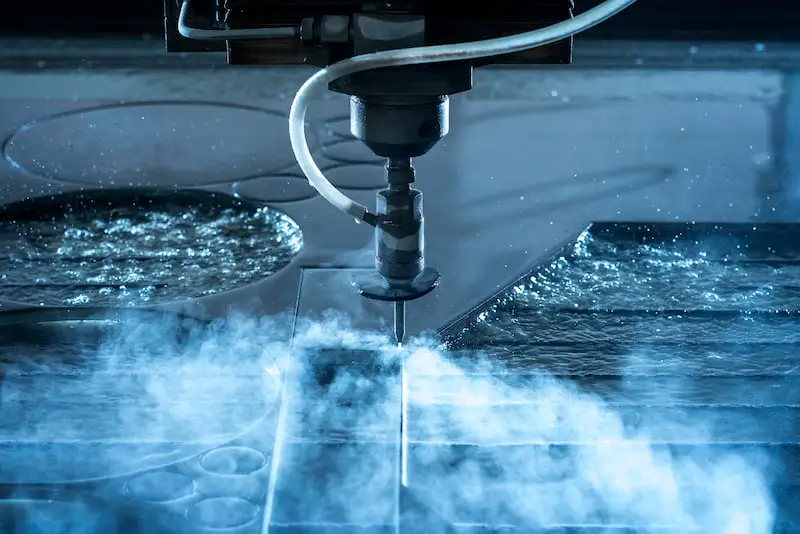
When manufacturers in Indonesia look for a way to slice metal, stone, or composite panels without melting or warping the material, water jet cutting often tops the list. This technology, which propels a focused stream of water—sometimes laced with abrasive grit—at speeds exceeding 2,000 m/s, can produce clean edges on a dizzying array of substrates. Its rise across the archipelago mirrors a broader push for tighter tolerances, lighter components, and faster turnaround times.
Why Water Jet Cutting Stands Out
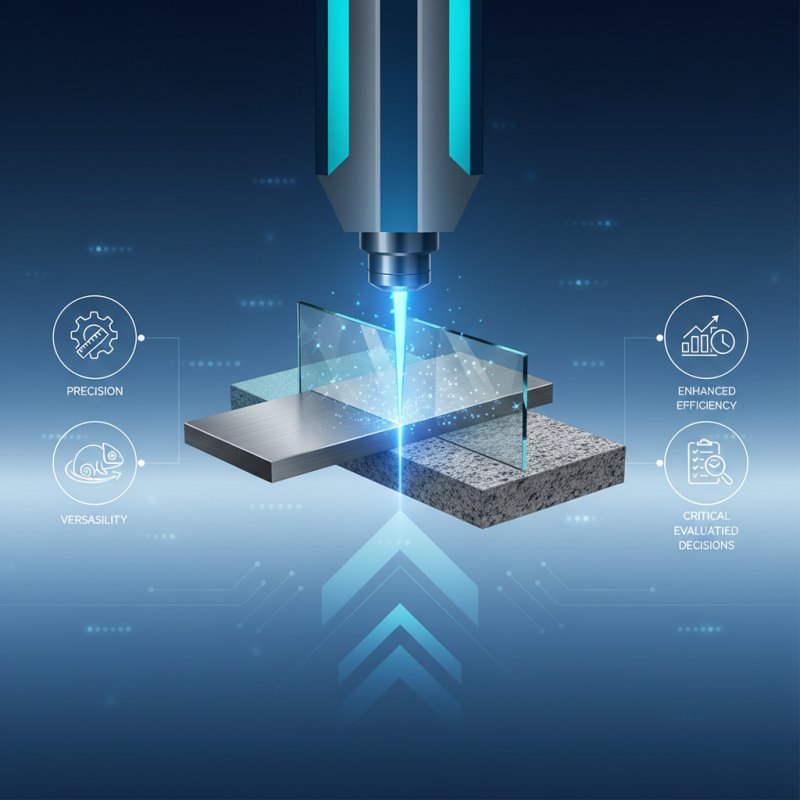
The biggest selling point is the absence of a heat‑affected zone. Traditional laser or plasma cutters generate intense heat that can alter a part’s micro‑structure, leading to brittleness or stress cracks. Water jet, by contrast, leaves the material exactly as it entered the stream—no discoloration, no thermal distortion. That neutrality translates directly into higher precision and less post‑process work.
Another advantage lies in its versatility. From stainless steel and titanium alloys to glass, ceramics, and even food‑grade plastics, a single machine can tackle them all. Adjusting the pressure (typically 2,000–4,500 bar) and the abrasive type (garnet, aluminum oxide, or even sand) tailors the cut to the specific material, giving operators a toolbox rather than a one‑size‑fits‑all solution.
Precision Benefits of Water Jet Cutting in Indonesia
Industries that demand sub‑millimeter accuracy have taken notice. Modern CNC‑controlled heads can follow vector paths with tolerances as tight as ±0.03 mm, rivaling the best laser systems. In shipbuilding yards along Java’s coast, for example, water jet is used to trim bulkhead panels to exact dimensions, shaving hours off assembly.
- Minimal Kerf Width – Typical kerf (the cut’s width) ranges from 0.3 mm to 0.6 mm, preserving material and reducing waste.
- Complex Geometry – Intricate contours, internal cut‑outs, and tapered angles come out smooth, often without a secondary deburring step.
- Repeatability – Once a CNC program is saved, the same part can be reproduced endlessly, a boon for batch production.
These precision gains ripple through the supply chain. A tighter cut means lighter assemblies, which in turn lowers shipping costs and fuel consumption—an especially relevant factor for Indonesia’s dispersed island market.
Key Industries Leveraging the Technology
Automotive components: Manufacturers of aftermarket exhaust systems and chassis braces rely on water jet to shape stainless steel without compromising strength.
Aerospace and defense: The ability to cut titanium and composite panels without heat distortion is crucial for parts that face extreme stress.
Construction and architectural stone: Intricate façade elements and decorative stone panels are carved with millimetric accuracy, allowing designers to push aesthetic boundaries.
Electronics and renewable energy: Thin copper busbars, solar panel frames, and printed circuit board substrates benefit from clean, burr‑free edges, which improve conductivity and reduce assembly time.
Choosing the Right Provider in Indonesia
Not all water jet shops are created equal. Here are a few practical checkpoints when vetting a local vendor:
- Machine Capability – Verify the pressure rating and maximum material thickness the cutter can handle. For heavy‑duty steel, look for at least 4,000 bar.
- Material Expertise – Some providers specialize in ceramics or composites; ensure they have proven experience with your specific material.
- Quality Assurance – Ask about inspection protocols, such as dimensional verification with CMM (coordinate‑measuring machines) or visual inspection under magnification.
- Turnaround Time – In a country where logistics can add days to a project, a provider with an on‑site CNC programming team often shortens lead times.
Many Indonesian firms also offer ancillary services—design optimization, CAD‑to‑CAM conversion, and surface finishing—making them one‑stop shops for complex projects.
Future Outlook: Automation and Sustainability
Automation is the next frontier. Integrating robotic material handling with water jet stations can create a near‑continuous production line, a model already piloted in several industrial parks around Surabaya. Meanwhile, water jet’s low energy footprint—especially when using reclaimed water and recyclable abrasives—aligns with Indonesia’s growing sustainability agenda. As environmental standards tighten, the technology’s “no‑toxic‑fumes” profile will likely become a decisive factor.
In summary, water jet cutting in Indonesia delivers a rare combination of precision, material flexibility, and environmental friendliness. Whether you’re a small‑scale fabricator or a multinational supplier, the technology offers a pathway to tighter tolerances, reduced waste, and faster market entry.
FAQ
Q: Can water jet cutting handle thick steel plates?
A: Yes. With pressures above 4,000 bar and a suitable abrasive, most systems can cut steel up to 30 mm thick in a single pass, though multiple passes may be needed for very dense alloys.
Q: Is there a significant waste of water in the process?
A: Modern recirculation systems reclaim up to 90 % of the water, making the process far more efficient than older, single‑use setups.
Q: How does water jet compare cost‑wise to laser cutting for small batches?
A: For low‑volume, high‑precision jobs, water jet can be more economical because it avoids expensive laser consumables and reduces post‑processing labor.