Iceland’s Current Volcano Eruption: What’s Happening Right Now
Overview of the Latest Activity
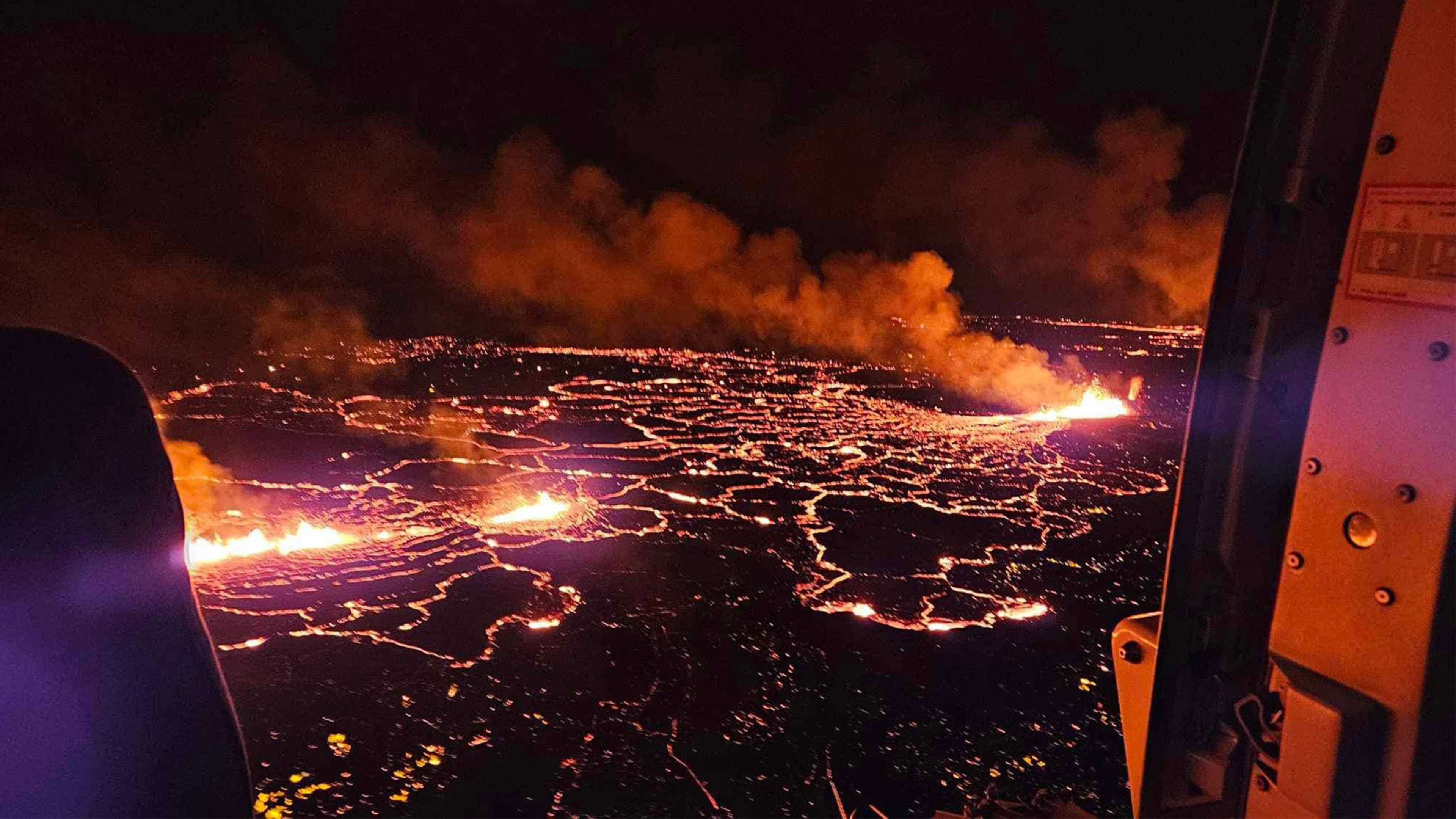
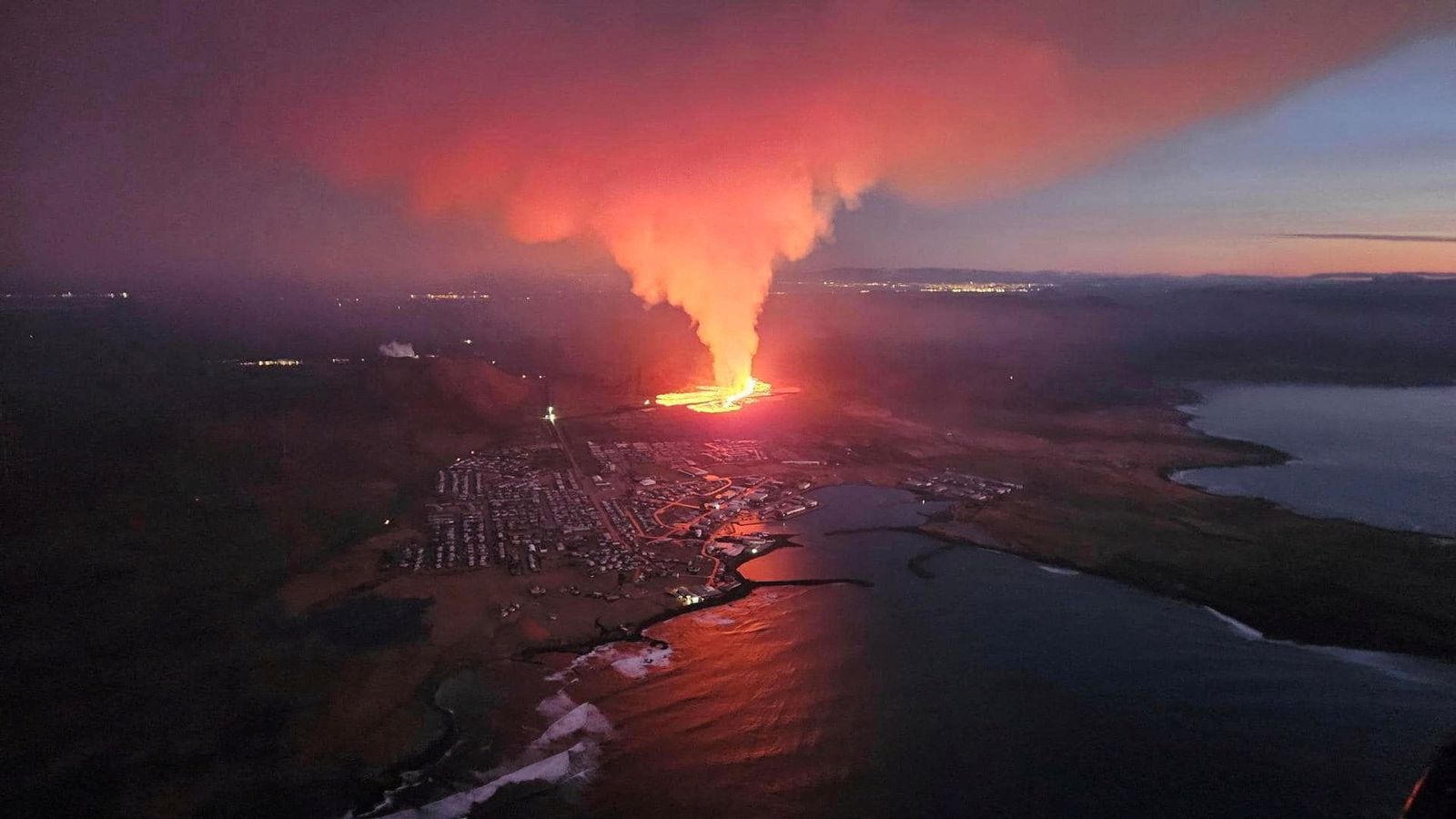
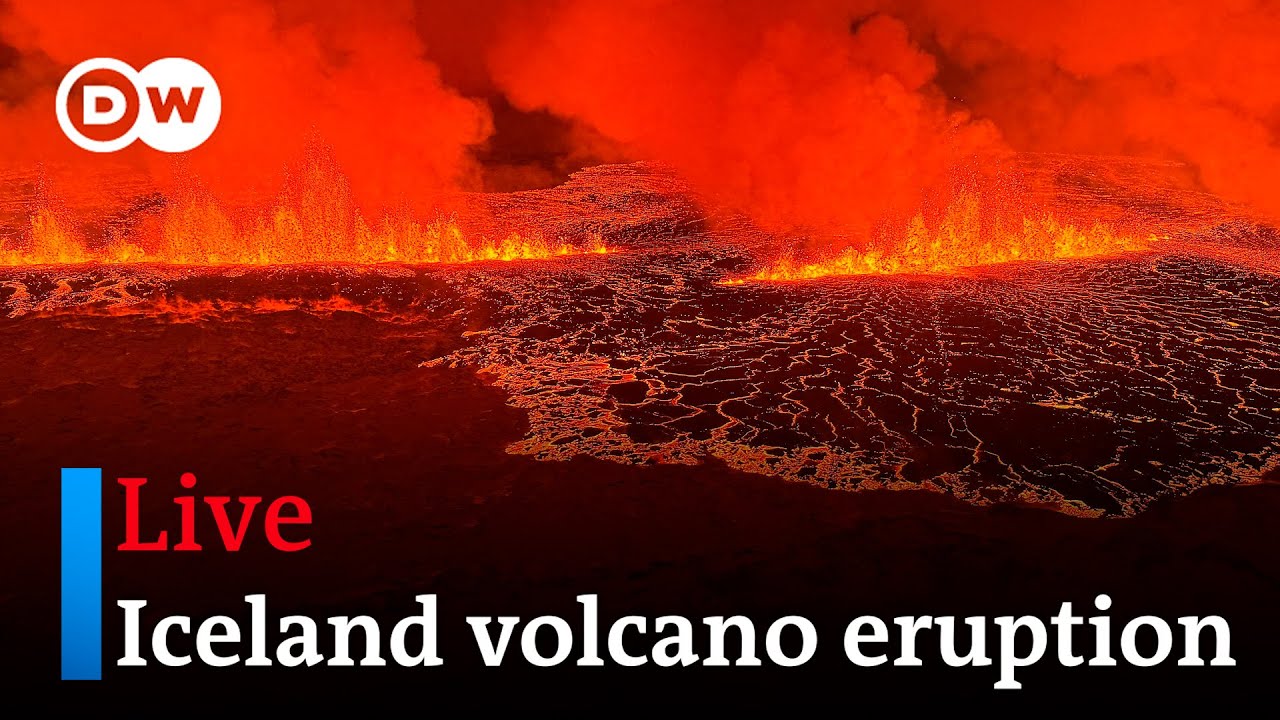
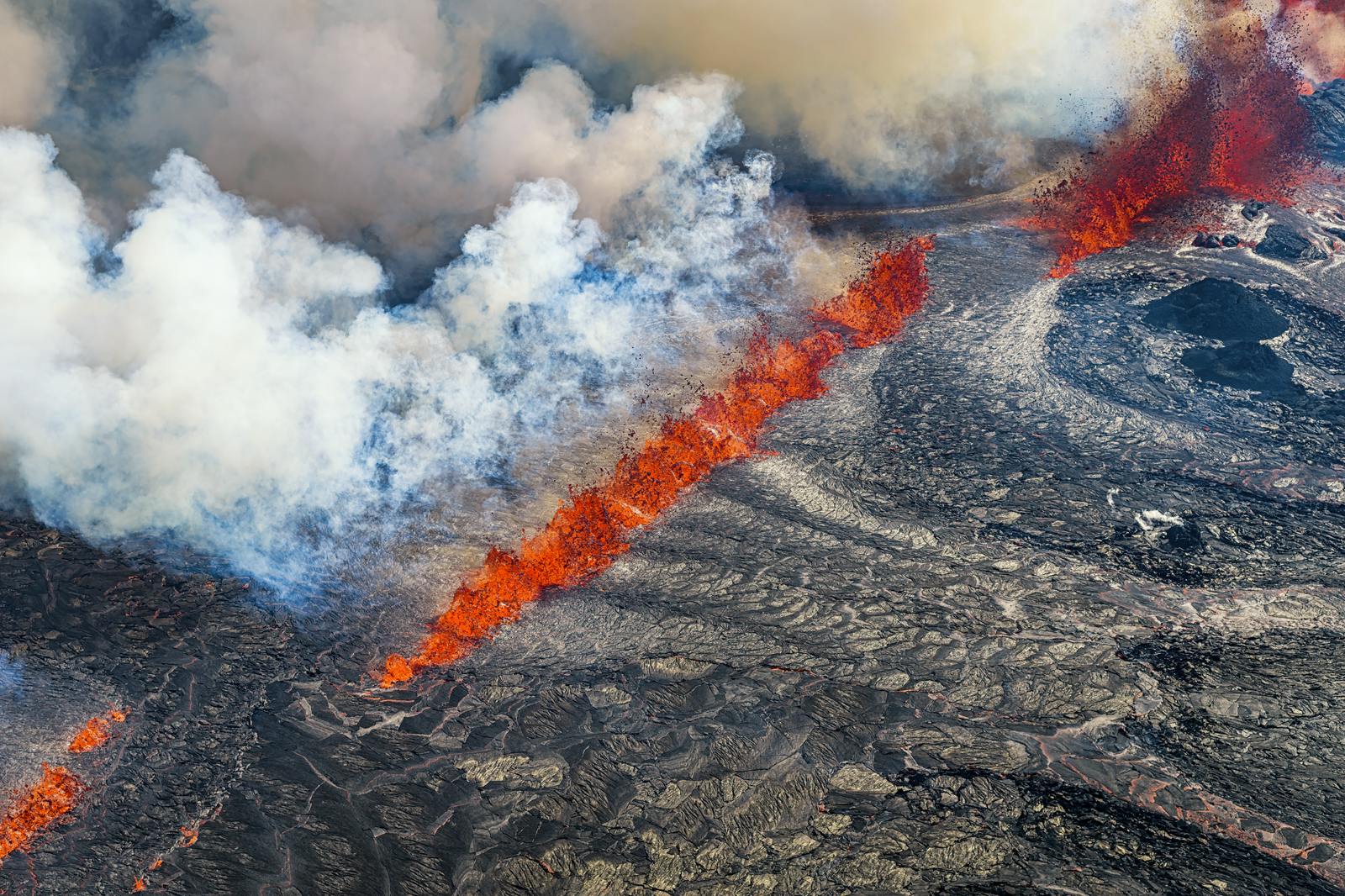
In early March 2024 the fissure field on the Reykjanes Peninsula lit up again, marking the most recent chapter in a series of eruptions that have rattled Iceland’s volcanic belt for centuries. The Iceland volcano eruption is producing a steady stream of lava, occasional ash plumes, and a low‑frequency tremor that locals and scientists are monitoring around the clock. While the spectacle draws tourists to the rugged coastline, it also raises practical questions about safety, air travel, and the broader geologic story unfolding beneath the island.
What Triggered This New Burst?
The Reykjanes Peninsula sits on a divergent plate boundary where the North American and Eurasian plates pull apart. Over the past few weeks, seismometers recorded a swarm of earthquakes—some as shallow as a few hundred metres—that signaled magma making its way toward the surface. Geologists say the eruption is likely fed by a shallow magma chamber that has been recharging ever since the 2021‑2022 activity at Fagradalsfjall. The renewed heat is a reminder that Iceland’s volcanic systems rarely stay dormant for long.
Immediate Impacts on Nearby Communities
- Air quality. Small ash clouds drifted eastward for a few kilometres, prompting temporary warnings in the towns of Grindavík and Sandgerði. Residents were advised to keep windows closed and avoid outdoor exercise during peak emissions.
- Road access. The main gravel road leading to the eruption site was closed to civilian traffic, but a limited service route remains open for emergency vehicles and scientific teams.
- Tourism. Guided hikes have been re‑routed to safer viewpoints, and local operators now offer “volcano‑watch” tours that keep visitors at a safe distance while still providing close‑up views of glowing fissures.
How Authorities Are Managing the Situation
The Icelandic Meteorological Office (IMO) and the Civil Protection Department work in tandem, issuing real‑time alerts through a mobile app and updating a public dashboard with seismic data, gas measurements, and satellite imagery. If gas concentrations exceed health thresholds, the agencies have the authority to expand exclusion zones. Meanwhile, the Coast Guard keeps a watchful eye on maritime traffic, as sudden lava flows can alter the shoreline and create new hazards for small boats.
Travel Tips for Those Heading to Iceland
For travelers, the eruption is both a draw and a logistical hiccup. Flights to Keflavík International Airport have experienced occasional delays when ash entered the lower atmosphere, though the volume has been modest compared to larger historic eruptions. If you plan to drive the Ring Road, check the latest road‑closure notices—detours are clearly marked, and many of the scenic stops remain accessible. Finally, pack a mask and sturdy boots; even a brief hike near the vent can expose you to fine ash and hot ground.
What Scientists Are Watching Next
Researchers are particularly interested in three aspects of the current event: the composition of the lava, the rate of fissure expansion, and the potential for a larger explosive phase. Preliminary analyses suggest the magma is basaltic, which typically produces fluid lava flows rather than violent ash clouds. However, the Icelandic landscape is notoriously unpredictable—small changes in pressure can shift an eruption’s character in a matter of hours. Continuous GPS measurements and gas spectrometry will help determine whether the eruption will stay modest or intensify.
Frequently Asked Questions
- Is the eruption affecting air travel?
Only occasional, low‑level ash has drifted into flight paths, leading to short delays rather than widespread cancellations. Airlines and the IMO coordinate closely, so updates are usually posted well in advance.
- Can I safely watch the lava from the roadside?
Designated viewing areas are set up a few kilometres from the active fissure, complete with safety barriers and informational signs. Straying beyond these zones can expose you to toxic gases and sudden lava bursts, so it’s best to stay within the marked paths.
- Will the eruption cause any long‑term damage?
Most of the lava is flowing into the sea, creating new black sand beaches and expanding the coastline. While this reshapes the local landscape, the immediate threat to permanent structures is limited because the eruption is centered in a sparsely populated area.
- How long might this eruption last?
Volcanic episodes on the Reykjanes Peninsula have ranged from a few days to several months. Current observations suggest a steady, low‑intensity output, so a duration of weeks rather than months seems plausible, though the exact timeline remains uncertain.