Inside the Factories: Where Qualcomm Snapdragon Chips Are Built
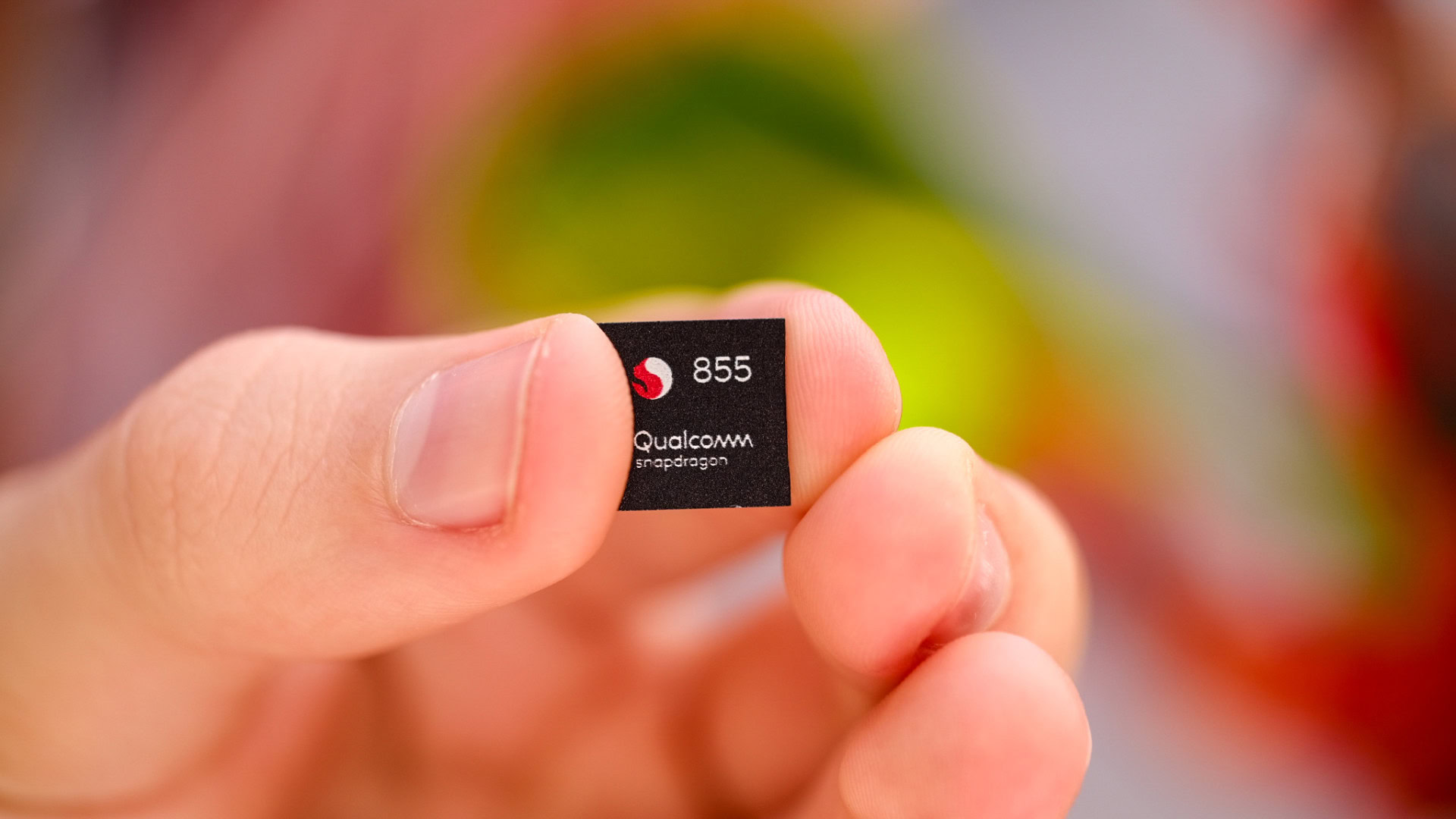
Qualcomm Snapdragon processors are made through a network of foundries spread across Asia, with Taiwan and South Korea doing the heavy lifting. While Qualcomm designs every generation in San Diego, it relies on external manufacturers to turn those blueprints into silicon. Understanding who actually fabricates the chips—and where—helps explain performance variations, price differences, and the occasional supply‑chain hiccup that hits your favorite smartphone.
The Design‑First Model: Qualcomm’s Role
Qualcomm is a pure‑play semiconductor designer. Engineers sketch the architecture, define the CPU cores, GPU blocks, modem sections, and power‑management units, then hand the layout to a foundry that can meet the required process node. This “fab‑less” approach lets Qualcomm focus on innovation without the massive capital expense of building fabs.
Because the company does not own its own silicon factories, the answer to “where are Snapdragon processors made?” always points to partners that own the cutting‑edge equipment needed for sub‑10‑nanometer production.
Primary Foundries Behind Snapdragon Production
The two giants that dominate Snapdragon manufacturing are:
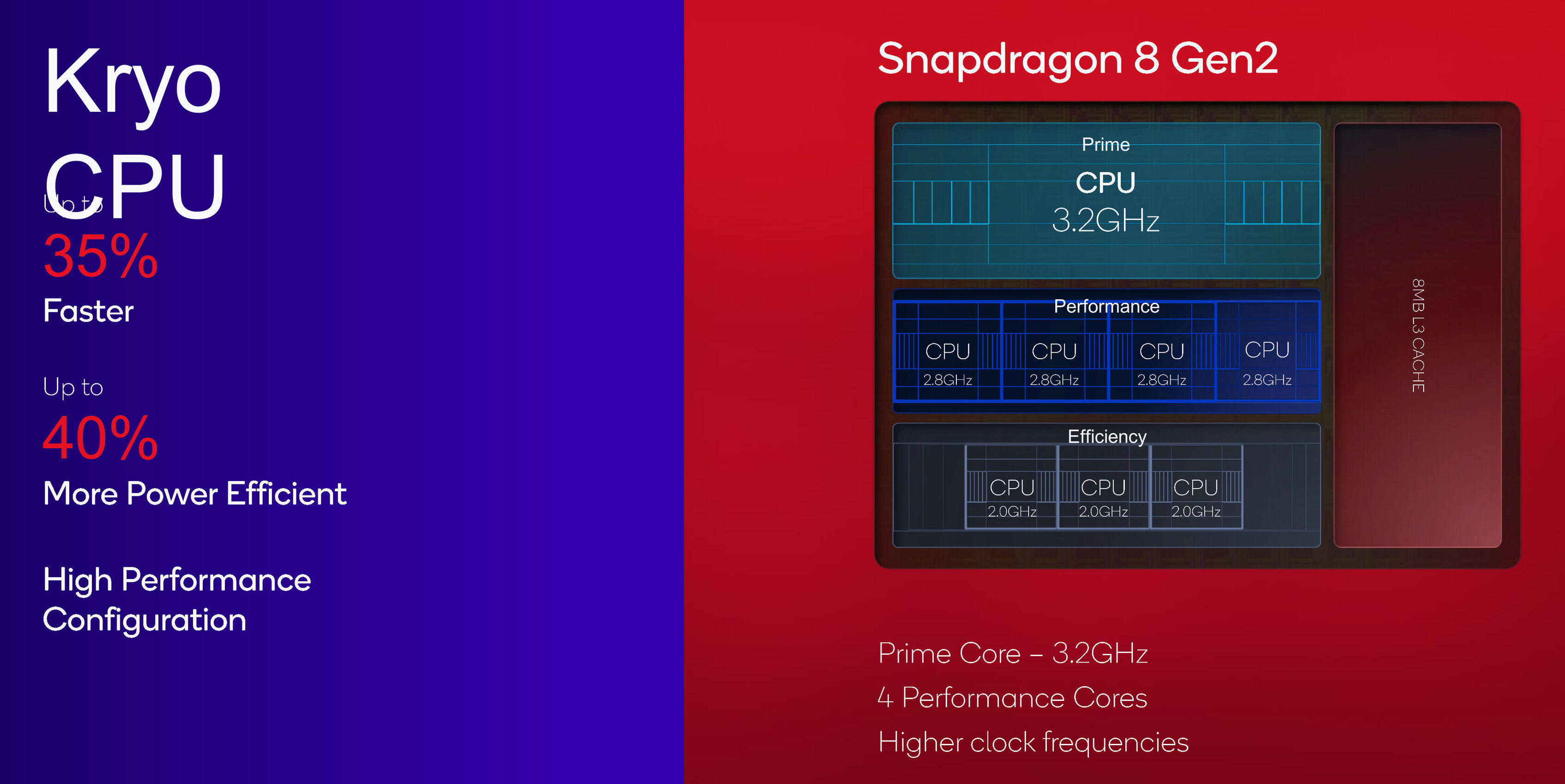
- TSMC (Taiwan Semiconductor Manufacturing Company) – Located in Hsinchu and the Southern Taiwan Science Park, TSMC has been Qualcomm’s go‑to partner for the latest 5 nm and 4 nm processes used in the Snapdragon 8 Gen 2 and 8 Gen 3 series. Their advanced nodes deliver the power efficiency and speed that flagship phones demand.
- Samsung Electronics – Samsung’s fabs in Hwaseong, South Korea, and recently its new Pyeongtaek campus, handle many of the earlier 7 nm and 6 nm chips, such as the Snapdragon 7 Gen 1 and some mid‑range 5G SoCs. Samsung also offers a competitive “8 nm LPP” process that Qualcomm uses when TSMC’s capacity is tight.
In the past, GlobalFoundries supplied 14 nm and 12 nm Snapdragon parts, but after its 2022 shift away from leading‑edge nodes, Qualcomm leaned more heavily on TSMC and Samsung. Occasionally, smaller specialty fabs in Japan (e.g., Renesas) or China (SMIC) handle peripheral components like power‑management ICs, but the core silicon always originates from the two main partners.
Geography of the Supply Chain: From Wafer to Box
Fabrication is just the first step. Once a wafer rolls out of TSMC’s Fab 12 in Taiwan or Samsung’s Foundry 15 in South Korea, the raw silicon travels to separate facilities for packaging, testing, and final assembly. Key locations include:
- Assembly/Testing (A/T) houses in China and Vietnam – Companies such as Foxconn, Pegatron, and Wistron receive diced wafers, attach them to carrier boards, and run burn‑in tests before shipping the finished chips to smartphone OEMs.
- Logistics hubs in Singapore and Hong Kong – These ports act as transit points, ensuring that the delicate chips reach global customers on schedule.
- Final integration sites – For certain automotive or IoT devices, Qualcomm may route the packaged Snapdragon directly to tier‑one suppliers in the United States or Europe for integration into larger modules.
The geographic spread introduces both resilience and vulnerability. A single disruption—say, an earthquake in Taiwan—can ripple through the entire ecosystem, delaying shipments of the newest phones.
How Global Events Shape Snapdragon Manufacturing
Geopolitics has become a silent driver behind where Snapdragon processors are produced. The U.S. export controls introduced in 2022 limit the flow of advanced lithography equipment to certain Chinese fabs. As a result, Qualcomm has doubled down on TSMC and Samsung, both of which remain outside the most restrictive lists.
At the same time, supply‑chain diversification initiatives have prompted Qualcomm to explore secondary sources. In 2023, Qualcomm announced a pilot program with a Japanese fab for niche 3 nm prototypes, aiming to reduce reliance on any single region. While these pilots are not yet full‑scale production, they illustrate a strategic shift toward “multiple‑source” manufacturing.
Environmental regulations also matter. Taiwan’s stringent waste‑water standards and South Korea’s push for greener fabs have led both partners to invest heavily in water‑recycling and renewable‑energy projects. Qualcomm often highlights these sustainability efforts when marketing new Snapdragon chips, positioning them as both powerful and responsibly made.
What This Means for Consumers
When you hold a phone powered by a Snapdragon 8 Gen 2, the silicon beneath your thumb most likely left a TSMC fab in Taiwan a few weeks ago. If you own a mid‑range device with a Snapdragon 7 Gen 1, it probably came from Samsung’s Korean plant.
These origins affect not just performance but also repairability and longevity. Chips from fabs with higher yields tend to have fewer defects, translating into better long‑term reliability. Moreover, regional sourcing can influence warranty policies; a phone assembled in Vietnam with a Samsung‑sourced chip may have a different service network than one built in India with a TSMC‑based SoC.
FAQ
Q: Does Qualcomm ever manufacture Snapdragon chips in the United States?
A: No. Qualcomm designs the chips in the U.S., but all high‑volume fabrication is outsourced to Asian foundries. Some testing equipment may be sourced from U.S. companies, but the silicon itself is not produced domestically.
Q: How does the choice of foundry impact battery life?
A: Advanced nodes like TSMC’s 4 nm process allow for smaller transistors that switch faster and leak less power. Consequently, phones with TSMC‑fabricated Snapshots often enjoy longer battery life compared to those built on older, larger‑node processes.
Q: Will geopolitical tensions ever force Qualcomm to shift production elsewhere?
A: Qualcomm already mitigates risk by maintaining relationships with both TSMC and Samsung, and by experimenting with additional partners in Japan. While a complete relocation is unlikely, incremental shifts to secondary fabs are plausible if trade restrictions intensify.
Q: Are there any quality differences between chips made by TSMC and Samsung?
A: Both foundries meet stringent automotive‑grade standards, but subtle variations exist. TSMC’s leading‑edge nodes typically yield higher performance per watt, whereas Samsung’s processes may excel in specific integration features like integrated memory controllers. In everyday use, the differences are marginal for most consumers.