Inside the Male Voice Transformation During Puberty
When boys step into their teenage years, one of the first things that catches everyone’s attention is the deepening of their voice. This change, often dramatic and unpredictable, is part of a complex biological process that reshapes not only the sound but also how a young man feels about himself. Understanding the science behind the male voice transformation can ease the anxiety that comes with this transition and help parents, teachers, and teens navigate it with confidence.
What Happens Inside the Larynx?
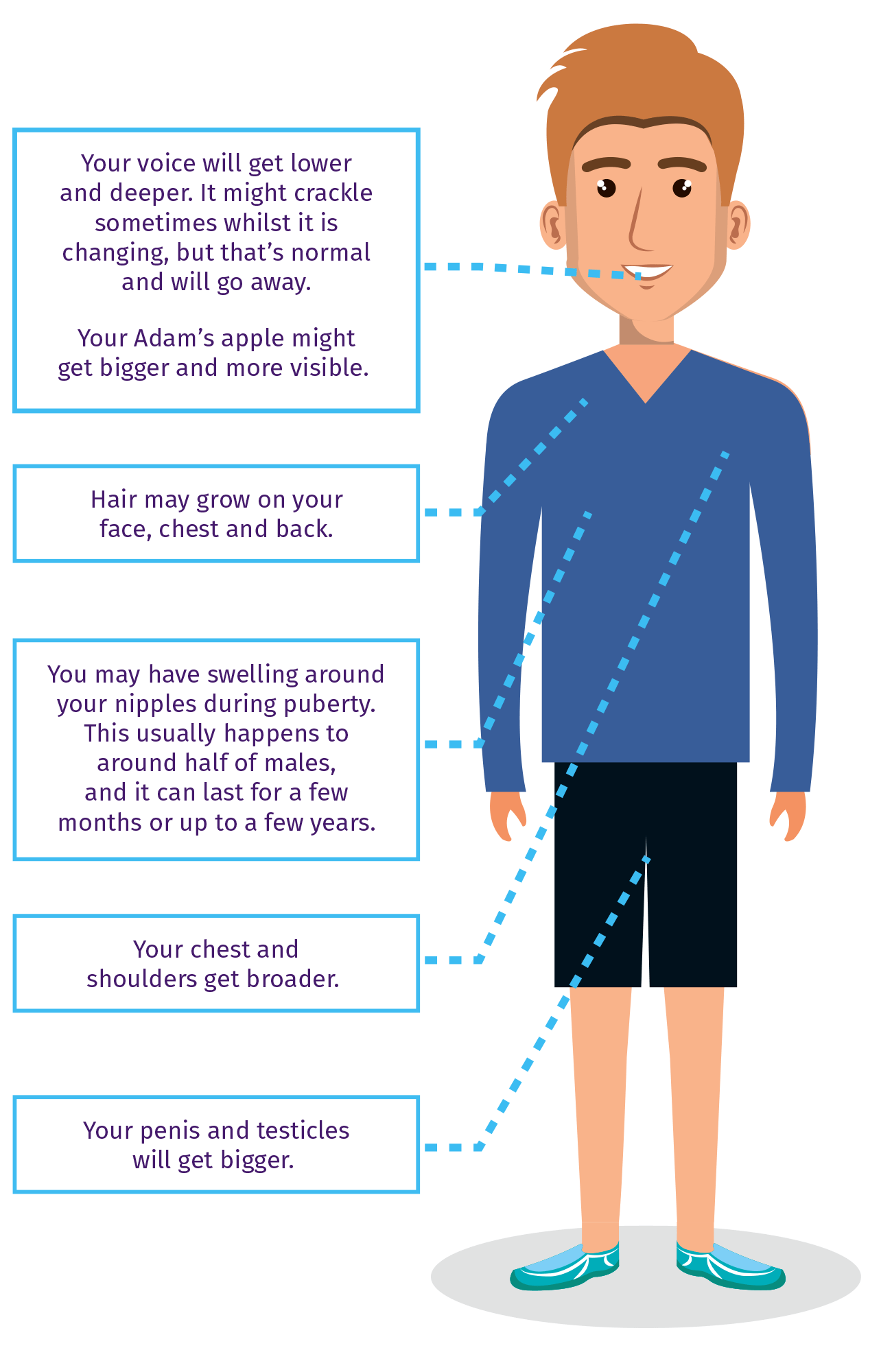
The larynx, or voice box, is a small cartilaginous structure located at the top of the trachea. During puberty, it grows rapidly—about 10–20 % in length and 20–30 % in width—driven largely by a surge in testosterone. This growth thickens the vocal folds (the “strings” that vibrate to produce sound) and increases the size of the airway, allowing more air to flow through and creating a lower, richer tone.
Hormonal Catalysts
Testosterone spikes around ages 12–15 and can persist for several years. It promotes not only laryngeal growth but also changes in muscle mass and cartilage density. As the vocal folds lengthen and their mass increases, the pitch naturally drops, usually by one to two octaves. The rate and extent of this drop vary widely; some teens experience a quick, dramatic change, while others see a more gradual shift.
Typical Timeline
- Early Puberty (9–12): Minor vocal flutter, no noticeable deepening.
- Mid Puberty (13–15): Voice cracks, occasional loss of pitch, and a gradual descent.
- Late Puberty (16–18): Stabilization of the new pitch, refinement of tone.
While the average timeframe spans about three to four years, each individual’s journey is unique. Genetics, overall health, and even voice training can influence the speed and pattern of change.
Pitch, Resonance, and Breath Support
Three key aspects evolve during the male voice transformation:
- Pitch: The primary indicator of deepening. Lower frequencies create the signature “manly” timbre.
- Resonance: As the larynx enlarges, the sound’s vibrations spread through a larger throat and chest cavity, enriching the voice’s fullness.
- Breath Support: Stronger diaphragm control allows steadier airflow, reducing strain and improving clarity.
These changes can be both exhilarating and unsettling. Some teens feel proud of their deeper voice, while others may fear awkwardness or unwanted attention. Recognizing that such feelings are normal can help mitigate self‑esteem dips that occasionally accompany the transition.
Practical Tips for a Healthy Voice Transition
While the body’s hormonal machinery runs on its own, there are ways to support a smoother shift:
- Hydration: Drinking plenty of water keeps vocal folds supple.
- Gentle Exercises: Simple humming, lip trills, and sustained vowels promote healthy vocal fold tension.
- Avoid Over‑straining: Refraining from yelling or throat clearing reduces irritation.
- Warm‑Up and Cool‑Down: Like any muscle group, vocal cords benefit from gradual activity adjustments.
Instructors or parents can encourage these habits by modeling proper techniques and reinforcing the idea that the voice’s evolution is a natural part of growing up.
When Should a Professional Be Involved?
Most voice changes resolve on their own, but persistent symptoms may signal deeper issues. Seek medical attention if you notice:
- Continuous hoarseness lasting more than two weeks.
- Stridor, a high‑pitched or wheezing sound.
- Sharp, painful throats after speaking or singing.
- Unexplained swelling in the neck or throat.
Speech‑language pathologists or otolaryngologists can offer targeted therapies, including voice coaching, medical evaluation, and in rare cases, surgical intervention.
Debunking Common Myths
Myth 1: “The voice will automatically stay low forever.”
Reality: While the voice often settles into a lower pitch, some men experience a gradual rise as their body matures further.
Myth 2: “Cracking indicates a problem.”
Reality: Cracks are a normal by‑product of the vocal folds adjusting to new tension and length. They are most frequent when the voice shifts abruptly.
Myth 3: “You can control the timing of the change.”
Reality: Hormonal processes dictate timing; external training can only influence quality and health, not the fundamental shift.
Frequently Asked Questions
- Does the voice ever return to its pre‑puberty state?
Generally no. Once the larynx grows and the vocal folds thicken, the new pitch is permanent. - Can a teenage boy avoid voice changes by limiting vocal use?
Reducing strain helps prevent damage, but it cannot halt the physiological deepening. - What’s the safest way to practice singing during this period?
Use gentle scales, keep volumes moderate, and always warm up before extended vocal work.