iPhone 12 Pro Max vs Samsung S22 Ultra: Camera Showdown
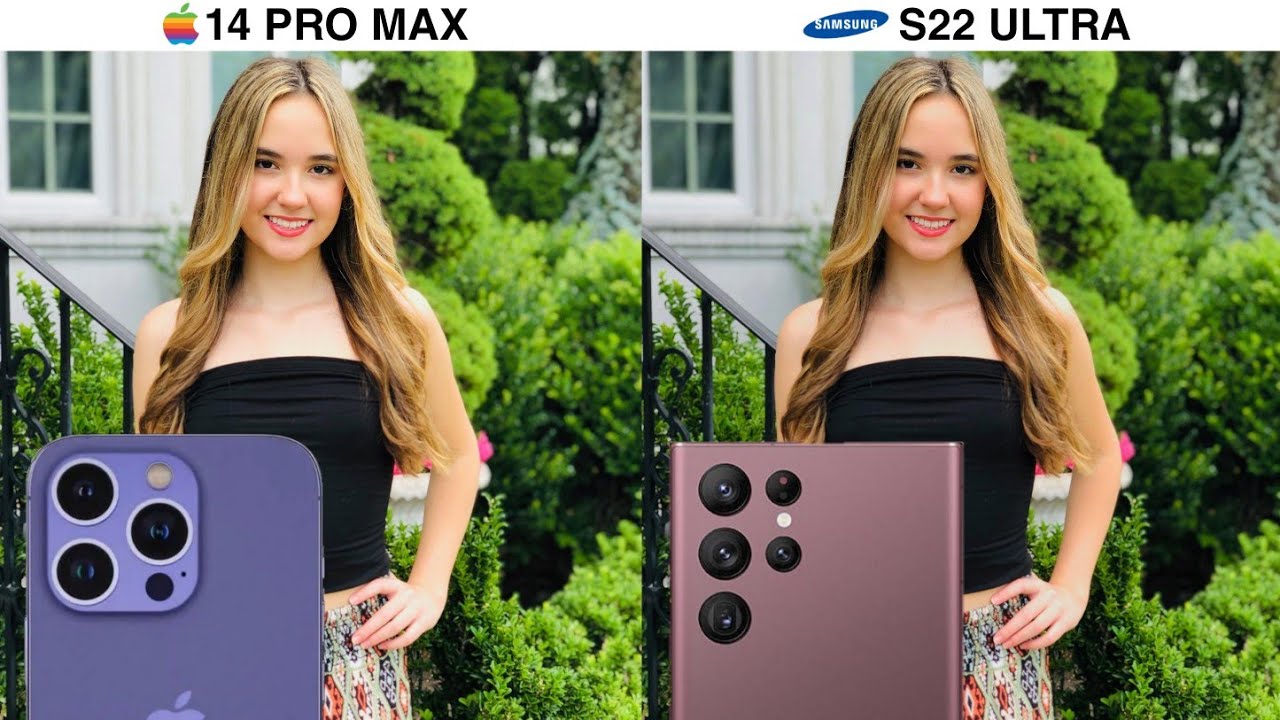
The camera wars between Apple and Samsung have never been more intense, and the iPhone 12 Pro Max vs Samsung S22 Ultra camera showdown is a perfect case study. Both flagships debuted with brag‑worthy optics, but they aim for different photographic philosophies. If you love snapping portraits in a café or capturing city lights from a rooftop, the nuances between these two systems will matter. Let’s break down the hardware, software, and real‑world results so you can decide which lens fits your style.
Hardware Basics: Sensors and Lenses
Understanding the raw numbers helps set expectations before software gets involved.
- iPhone 12 Pro Max: Triple‑camera array, each sensor 12 MP. The main wide lens sits at f/1.6, the ultra‑wide at f/2.4 (120° field), and the telephoto at f/2.4 offering 2.5× optical zoom (65 mm equivalent).
- Samsung S22 Ultra: Quad‑camera suite. A 108 MP primary sensor (f/1.8) dominates, paired with a 12 MP ultra‑wide (f/2.2, 120°), a 10 MP telephoto (3× optical, f/2.4) and a 10 MP periscope telephoto (10× optical, f/4.9). The periscope also unlocks Samsung’s famed 100× Space Zoom.
While the megapixel race favors Samsung, Apple’s sensor‑shift optical image stabilization (OIS) gives the iPhone an edge in shake‑free shots, especially in low‑light scenarios.
Low‑Light Performance: Night Mode vs Bright Night
Both phones claim “night mode,” but they achieve it differently.
Apple’s Night mode activates automatically on the wide and ultra‑wide lenses, combining multiple exposures and leveraging the larger sensor‑shift OIS to reduce blur. The result is often a natural‑looking image with balanced highlights and muted noise.
Samsung counters with Bright Night, a software‑heavy approach that stacks up to 15 frames, applying aggressive noise reduction and AI‑enhanced detail sharpening. The outcome can be brighter, but sometimes the colors look a bit oversaturated.
In side‑by‑side tests, the iPhone tends to preserve skin tones and avoid color clipping, whereas the S22 Ultra delivers higher overall brightness and a slightly sharper texture on static subjects.
Zoom and Detail: From 2.5× to 10×
If you regularly shoot distant subjects, zoom capability is a decisive factor.
The iPhone 12 Pro Max’s 2.5× optical zoom feels modest, but Apple’s digital zoom up to 5× maintains respectable quality thanks to computational upscaling.
Samsung’s 10× periscope lens, coupled with 100× Space Zoom, pushes the envelope. Real‑world 10× shots are still usable, though edge softness and occasional artifacts appear beyond that range. The periscope’s narrower aperture (f/4.9) means low‑light telephoto shots can be noisy, a trade‑off for the sheer reach.
In practice, the iPhone excels for portrait‑style close‑ups, while the S22 Ultra shines when you need to capture a sports action from the stands.
Video Capabilities: Cinematic Tools
Both devices market themselves as portable cinema rigs, yet they prioritize different formats.
- iPhone 12 Pro Max: 4K at 60 fps, Dolby Vision HDR up to 30 fps, and ProRes (1080 p) for professionals who want raw‑like footage. The stabilization is buttery smooth, and Apple’s color science yields skin‑friendly tones straight out of the camera.
- Samsung S22 Ultra: 8K video at 24 fps, 4K at 60 fps, and Super Steady mode that rivals gimbal work. Samsung’s HDR10+ support provides a punchier contrast range, but the color grading leans cooler, often requiring post‑processing for a natural look.
For creators who edit on the fly, the iPhone’s consistent color palette reduces time spent correcting whites. Filmmakers chasing resolution may gravitate toward Samsung’s 8K, despite the larger file sizes.
Software Processing: AI Meets Computational Photography
Apple and Samsung both embed AI, but their philosophies diverge.
Apple’s Deep Fusion and Smart HDR 3 blend multiple exposures at the pixel level, favoring a balanced, realistic aesthetic. Portrait mode offers precise edge detection and a subtle bokeh that mimics a mid‑range prime lens.
Samsung relies on Scene Optimizer, which tags subjects and applies tailored adjustments. The result can be striking—vivid skies, punchy greens—but sometimes the processing feels “over the top.” Their Director’s View lets you switch between lenses while recording, a handy tool for vloggers.
Overall, Apple’s approach feels more conservative, Samsung’s more experimental. Your preference may hinge on whether you like a “ready‑to‑share” look or enjoy tweaking colors later.
Real‑World Usage: Pocket‑Size Versus Hand‑Held Beast
Beyond specs, ergonomics shape the shooting experience.
The iPhone 12 Pro Max’s flat‑edge design and single‑handed grip make it comfortable for quick snaps. Its native Camera app is uncluttered—just swipe, tap, and shoot.
The S22 Ultra, with its curved back and larger footprint, encourages a two‑handed hold, especially when using the periscope zoom. Samsung’s native app offers a plethora of modes (Single Take, Nightography, Food, etc.), which can be overwhelming for newcomers but rewarding for power users.
Battery life also matters: the iPhone typically gives about 2‑3 hours of continuous 4K recording, while the S22 Ultra stretches a bit longer thanks to its larger battery, though both will need a charge after an afternoon of heavy shooting.
Which Camera Wins for You?
If you prioritize natural colors, reliable low‑light performance, and a straightforward workflow, the iPhone 12 Pro Max feels like a polished companion that rarely surprises you negatively.
Conversely, if you crave higher resolution, aggressive zoom, and a toolkit that leans into AI‑driven creativity, the Samsung S22 Ultra delivers a more versatile, albeit occasionally noisy, package.
Both phones produce excellent images; the real decision rests on whether you value consistency (Apple) or flexibility (Samsung).
Frequently Asked Questions
Which phone captures better portraits in low light?
Generally, the iPhone 12 Pro Max produces smoother skin tones and less noise thanks to its larger aperture and sensor‑shift stabilization. Samsung’s Bright Night can brighten the scene, but the portrait mode may introduce a slight halo around subjects.
Can I edit raw photos on both devices?
Yes. The iPhone saves ProRAW files (12 MP) for detailed post‑processing, while the S22 Ultra offers a 12 MP RAW option from its primary sensor. Both formats give you plenty of latitude in Lightroom or Snapseed.
Is the 8K video on the S22 Ultra worth the storage cost?
If you need ultra‑high resolution for professional workflows or future‑proofing, 8K is a plus. For most everyday creators, 4K at 60 fps provides a better balance of quality and file size.
Do these cameras support external lenses?
The iPhone can attach Moment or Sandmarc lenses via a small clip‑on system, expanding its focal length options. Samsung’s larger body accommodates accessories like the S‑Pen but lacks a widely adopted clip‑on lens ecosystem, though third‑party adapters exist.