Is Early‑Morning Newspaper Delivery the Right Choice for You?
What Early‑Morning Newspaper Delivery Actually Involves
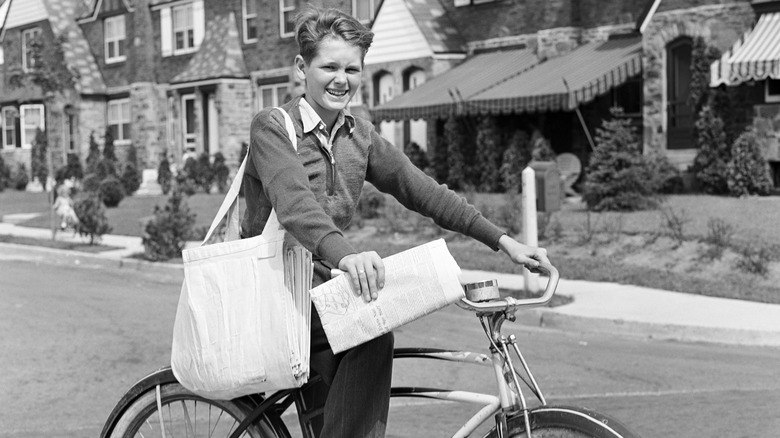
When you hear “early‑morning newspaper delivery,” most people picture a carrier slipping a crisp paper through a front‑door slot before the sun is up. In reality, the service can be far more flexible than that classic image. Some publishers offer daily drops at 5 a.m., others provide a handful of deliveries each week, and a growing number of local papers let you pick specific routes or even opt for digital‑print hybrids. Understanding these options is the first step toward deciding whether the routine fits your lifestyle.
Who Benefits Most From a Morning Drop?
Not everyone needs a paper at dawn, but certain groups find the habit surprisingly valuable. Retirees who enjoy a leisurely breakfast often appreciate the ritual of unfolding a fresh edition while sipping coffee. Commuters who drive to work may glance at headlines during the drive, using the paper as a quick briefing before tackling emails. Small‑business owners sometimes rely on local ads and classifieds that appear only in the print version. If any of these scenarios echo your daily rhythm, early‑morning delivery could be a natural extension of your routine.
Pros and Cons to Weigh
- Timeliness. You get the news before the first TV broadcast, which can be a competitive edge for professionals who need to stay ahead.
- Physical Experience. The tactile feel of paper, the smell of fresh ink, and the habit of flipping pages can boost mindfulness and reduce screen fatigue.
- Local Focus. Community events, school board minutes, and neighborhood ads often remain exclusive to the printed edition.
- Cost. Subscription fees for daily delivery tend to be higher than digital‑only plans, especially when bundled with weekend editions.
- Environmental Impact. Paper production and daily transport generate a carbon footprint; many publishers now offset this with recycled paper or eco‑friendly routes.
- Convenience. If you travel often or work irregular hours, a fixed morning drop may feel restrictive compared with on‑demand digital access.
How to Choose the Right Delivery Plan
Start by mapping out your typical morning. Do you rise before 6 a.m., or do you prefer a later start? If the former, a 5 a.m. drop aligns well; if the latter, look for publishers that allow a “late‑morning” window or weekend‑only bundles. Next, compare the content. Some papers dedicate several pages to national news, while others prioritize hyper‑local stories. If community coverage is your priority, a smaller regional paper may serve you better than a national headline‑heavy publication.
Don’t forget to ask about flexibility. Many carriers let you pause service for vacations, and some even let you switch routes temporarily if you’re staying with relatives. A trial period—often a month—can reveal whether the habit sticks without locking you into a long‑term contract.
Financial Considerations
Typical daily delivery rates in the United States range from $1 to $3 per month for a single paper, but bundles that include weekend editions or multiple titles can push the price higher. Some publishers offer discounted rates for students, seniors, or households that commit to a year‑long plan. It’s worth checking whether the paper’s website lists a “digital add‑on” that lets you read the same content on a tablet—this can sometimes reduce the overall cost while preserving the paper‑plus‑screen experience.
Environmental and Community Impact
Choosing a paper that prints on recycled stock and uses electric delivery vehicles can mitigate the ecological downside. Many local newspapers publish their sustainability reports online, detailing efforts like reduced ink usage or partnership with carbon‑offset programs. By supporting a paper that invests in these practices, you’re not just getting news; you’re backing a model that aims to balance information flow with responsible stewardship.
Alternatives to Traditional Delivery
If the idea of a carrier walking up your driveway feels outdated, consider a hybrid approach. Some publishers now offer “press‑ready” PDFs that you can download each night and have printed locally the next morning. Others collaborate with community hubs—libraries or coffee shops—where you can pick up a fresh copy on your way to work. These options preserve the tactile experience while sidestepping the rigidity of a fixed home delivery schedule.
Real‑World Experiences
Emma, a freelance graphic designer in Portland, switched to early‑morning delivery last winter. “I used to scroll through my phone for an hour before breakfast, which left me feeling scattered,” she says. “Now I open the paper, jot down a few headlines, and the rest of the day feels organized.” Conversely, Mark, a sales manager who travels frequently, found the service cumbersome: “I missed three weeks of delivery while on a road trip, and restarting the subscription was a hassle.” Their stories illustrate that personal habits heavily influence whether the service adds value.
FAQ
Do I have to pay extra for weekend editions?
Most publishers bundle weekend papers into a single subscription price, but some treat them as a premium add‑on. Check the pricing table for “Saturday/Sunday” options.
Can I cancel my delivery at any time?
Policies vary. Many papers allow month‑to‑month cancellations, while others require a 30‑day notice. Look for a “no‑penalty” clause before signing up.
Is early‑morning delivery still common in the digital age?
It’s less ubiquitous than in the past, but a niche of readers—especially those who value local coverage and the tactile ritual—still relies on it. Publishers respond by offering flexible, hybrid plans.
How do I know if a carrier services my street?
Enter your zip code on the newspaper’s website; most sites feature a route‑lookup tool that confirms coverage and estimated delivery times.