Is Latiao Bomb Stripe Halal? What You Need to Know
What exactly is Latiao Bomb Stripe?
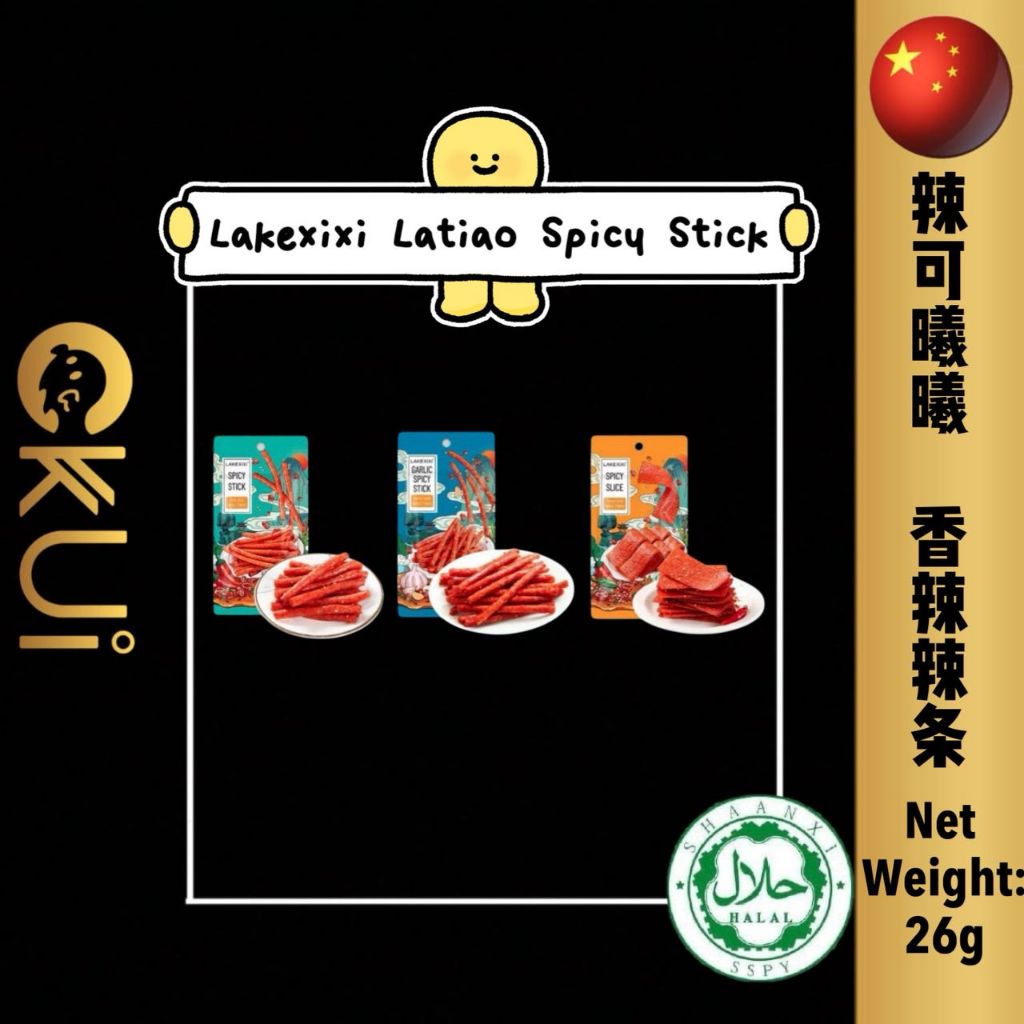
Latiao Bomb Stripe is a popular Chinese street snack that packs a fiery punch. Shaped like thin, ridged sticks, the treat is coated in a blend of chili oil, Sichuan peppercorn, and a handful of seasonings that give it a distinctive orange‑red hue. It’s sold in convenience stores, online marketplaces, and even vending machines across Asia, making it a go‑to option for anyone craving a quick, spicy fix.
Because the snack is so widely distributed, consumers from different dietary backgrounds often wonder whether the product complies with their own food rules—especially the halal standards observed by many Muslims. The question “Is Latiao Bomb Stripe halal?” therefore pops up in forums, social media, and on product review sites.
Halal certification basics you should understand
Halal, an Arabic term meaning “permissible,” covers more than just the absence of pork or alcohol. A halal‑certified food must meet three core criteria: the ingredients themselves must be permissible, the processing environment must avoid cross‑contamination with non‑halal items, and an authorized certifying body must audit and approve the entire supply chain.
In practice, this means you’ll often see a halal logo on the packaging, along with the name of the certifying organization. If the label is missing, the product may still be halal, but you’ll need to investigate the ingredient list and the manufacturer’s practices.
Key ingredients that raise red flags
When you scan the ingredient list of a typical Latiao Bomb Stripe bag, you’ll encounter:
- Wheat flour – a neutral grain, generally acceptable.
- Chili oil – usually derived from vegetable oil, but sometimes blended with animal fat for extra flavor.
- Soy sauce – can contain fermented wheat and soy, yet some brands add a splash of alcohol during fermentation.
- Seasoning powder – a mystery blend that may include powdered meat extracts, dairy powders, or flavor enhancers sourced from animal sources.
- Preservatives such as sodium benzoate – chemically synthesized, typically halal.
If any of the “seasoning powder” components come from animal sources that are not slaughtered according to Islamic law, the snack would not be halal. Unfortunately, many manufacturers in China keep the exact composition of these seasoning blends under wraps, labeling them simply as “spice mix” or “flavoring.”
Manufacturing environment and cross‑contamination
Even when the raw ingredients are halal, the production line can compromise the final product. Facilities that also process pork, beef, or alcohol‑containing foods must implement strict segregation protocols—separate equipment, thorough cleaning, and dedicated storage areas. In China, such protocols are not uniformly enforced, and many snack factories serve a mixed market.
If a brand openly advertises a halal certification, you can reasonably expect they have taken those steps. Conversely, a lack of certification leaves room for doubt, especially for a snack that’s often produced in high‑volume, multi‑product factories.
How to verify halal status before buying
Here are practical steps you can take to make an informed decision:
- Check the packaging. Look for a clear halal logo, the name of the certifying body, and a certification number.
- Visit the manufacturer’s website. Some companies publish detailed ingredient disclosures or halal statements online.
- Contact customer service. A quick email asking about the source of the “seasoning powder” can yield a definitive answer.
- Rely on trusted halal directories. Regional halal certification agencies often maintain searchable databases of approved products.
If you cannot find any of these assurances, it’s safer to treat the snack as non‑halal, especially if you strictly adhere to halal dietary rules.
Common misconceptions about “spicy” snacks and halal
Many consumers assume that because a snack is vegetarian‑friendly, it must automatically be halal. That’s not the case. “Vegetarian” merely means no meat, but it does not guarantee the absence of animal‑derived additives like gelatin, mono‑ and diglycerides, or certain flavor enhancers. Likewise, the presence of “chili oil” does not tell you whether the oil was rendered from pork fat or a plant source.
Another myth is that “Chinese‑style” snacks are inherently non‑halal. While it’s true that pork is a staple in many Chinese cuisines, the snack industry is increasingly aware of diverse consumer needs. Some brands have launched halal‑specific lines, clearly labeled as such.
What the market is doing about halal demand
In recent years, halal tourism and the growing purchasing power of Muslim consumers have nudged Chinese snack manufacturers toward greater transparency. A handful of larger producers now display halal certification on their Latiao products, especially those exported to Southeast Asia, the Middle East, and Western markets with sizable Muslim populations.
However, the majority of locally sold Latiao Bomb Stripe bags still lack any halal indication. This gap often forces shoppers to rely on word‑of‑mouth recommendations from community groups or to opt for alternative snacks that carry clear certification.
Bottom line: Is Latiao Bomb Stripe halal?
Without a specific halal certificate on the package, you cannot confidently claim that Latiao Bomb Stripe is halal. The ambiguous “seasoning powder,” the potential use of animal‑derived oil, and the typical multi‑product manufacturing environment all introduce uncertainty. If you need a guaranteed halal snack, look for a version that explicitly displays a recognized halal logo, or choose a different product altogether.
Frequently Asked Questions
Q: Can I trust “halal‑certified” labels on Chinese snack packages?
A: Generally, yes—if the label includes the name of a reputable certifying body and a certification number. Still, it’s wise to double‑check the certifier’s credibility, especially if you’re buying from an unfamiliar brand.
Q: Are there any halal‑friendly alternatives to Latiao Bomb Stripe?
A: Brands such as “Halal Spicy Sticks” from Malaysia or “Certified Halal Chili Snacks” from Turkey offer similar heat levels without the uncertainty around ingredients.
Q: Does the presence of soy sauce automatically make a snack non‑halal?
A: Not necessarily. Some soy sauces contain trace amounts of alcohol from the fermentation process, but many halal‑certified versions avoid this. Always verify the specific product.
Q: How can I stay updated on halal snack releases?
A: Subscribe to newsletters from halal certification agencies, follow trusted halal food bloggers, and join community forums where members share recent product findings.