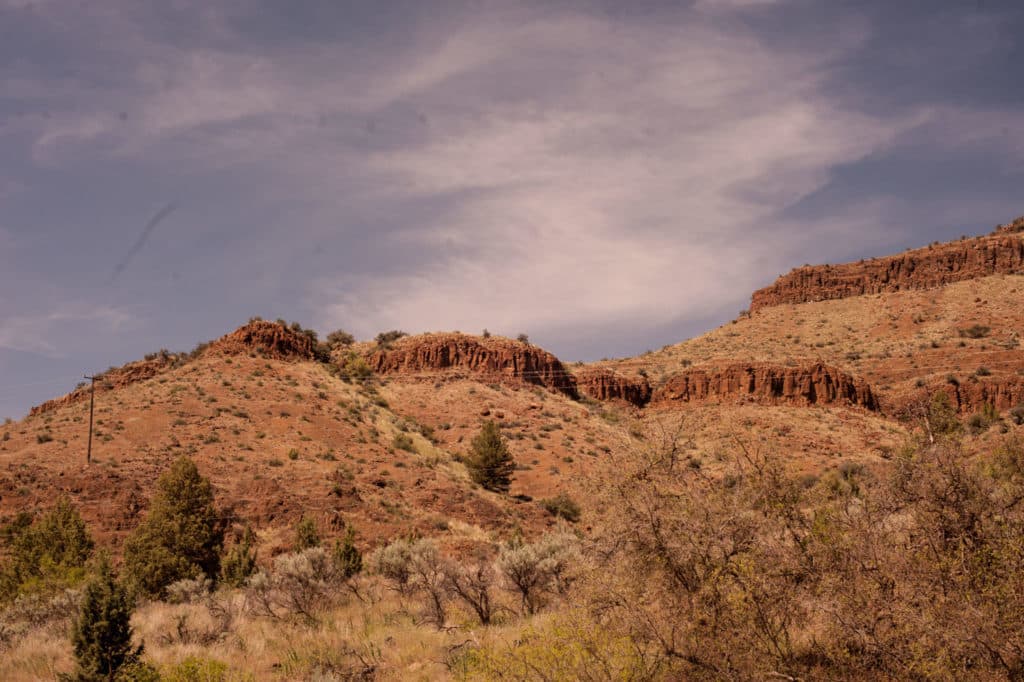
Is Southeast Oregon a Desert? The Truth About Its Landscape
What Defines a Desert?
Most people think of scorching sand dunes and endless heat, but the technical definition is simpler: an area that receives less than 10 inches (about 250 mm) of precipitation each year on average. Temperature isn’t part of the formula, so a place can be cold yet still be classified as a desert. This nuance matters when we talk about Southeastern Oregon, a region where rain‑shadow effects and high elevation create a mosaic of dry lands.
Climate Patterns That Shape Southeast Oregon
The rain shadow of the Cascade Range blocks moist Pacific air, leaving the eastern side with markedly lower rainfall. In towns like Burns and Lakeview, annual precipitation hovers between 8 and 12 inches, squarely within the desert range. Winters can be bitterly cold, with snow that often melts quickly, while summers bring low humidity and daytime highs that climb above 90 °F (32 °C).
Because the region sits at elevations ranging from 3,500 to over 9,000 feet, the climate feels more “high desert” than the classic hot desert of the Southwest. The higher altitude tempers the heat, but the air stays thin and dry, reinforcing the desert‑like character.
Vegetation: More Than Just Cacti
When you picture a desert, prickly pear and saguaros might spring to mind, yet the plant life of Southeast Oregon tells a different story. Sagebrush (Artemisia tridentata) dominates the plains, interspersed with bunchgrasses such as bluebunch wheatgrass. Scattered juniper trees and pinyon pines cling to rocky outcrops, especially near the Steens Mountain range.
These species are adapted to survive long dry spells, using deep root systems and tiny leaves to conserve water. The presence of such flora signals an ecosystem that functions like a desert, even if the visual cues differ from the iconic desert scenes of Arizona or Nevada.
Key Areas That Feel Like Deserts
- Owyhee Canyonlands – A rugged basin with sparse vegetation, receiving barely 8 inches of rain annually.
- Steens Mountain Plateau – High‑altitude grasslands where wind‑blown soils and limited moisture create a stark, open landscape.
- John Day River Valley – While the river adds riparian pockets, the surrounding hills remain arid, supporting sagebrush steppe.
Each of these spots showcases the dry conditions that merit the “desert” label, though local variations in slope, soil, and micro‑climate produce subtle differences.
Why Some Parts Aren’t Considered Desert
Not every inch of Southeast Oregon fits the desert bill. The region’s river valleys—particularly those along the Malheur and the upper Snake—receive slightly more precipitation and support cottonwoods, willows, and even pockets of meadow grass. These wetter corridors foster wildlife that would struggle in true desert terrain, like beavers and waterfowl.
Moreover, occasional summer thunderstorms can deliver brief but intense downpours, temporarily greening the landscape. These episodic rains, while valuable, don’t shift the overall classification but remind us that desert ecosystems are rarely uniform.
Human Impact and Conservation
Ranching, mining, and increasing recreational use have left their imprint on the high desert. Overgrazing can degrade sagebrush, leading to invasive weeds that alter fire regimes. Conversely, conservation groups have worked to protect critical habitats, especially around the Steens Mountain Wilderness, where native flora and fauna thrive under the harsh, dry conditions.
Understanding that much of Southeast Oregon functions as a desert helps shape land‑management policies. Water is scarce, so irrigation projects must be carefully planned, and fire‑prevention strategies need to account for the flammability of dry shrublands.
Frequently Asked Questions
Is the entire state of Oregon a desert?
No. Oregon’s climate ranges from the wet, temperate coast to the snowy Cascades and the arid high desert in the east. Only the eastern and southeastern portions meet the precipitation criteria for a desert.
Can I grow a garden in Southeast Oregon?
Yes, but you’ll need drought‑tolerant plants and possibly supplemental irrigation. Native species like sagebrush, rabbitbrush, and certain grasses are the easiest to maintain without constant watering.
Do deserts always have sand dunes?
Not at all. Many deserts, including the high desert of Southeast Oregon, consist primarily of rocky plateaus, sagebrush steppe, and basalt outcrops. Sand dunes are just one of many desert landforms.
What wildlife thrives in this desert region?
Pronghorn antelope, sage grouse, and desert tortoise are emblematic species. Raptors such as the ferruginous hawk also patrol the open skies, taking advantage of the sparse vegetation for hunting.