Master the Slam Dunk: Tips for Jamaican & American Players
Whether you’re shooting hoops on a sun‑baked court in Kingston or a polished gym in Chicago, the thrill of a slam dunk transcends borders. Jamaican and American basketball cultures share a love for high‑flying finishes, yet each brings its own flavor to the art. This guide breaks down the fundamentals, training tweaks, and stylistic nuances that can help anyone—from island streetballers to Midwestern varsity athletes—elevate their game.
Understanding the Basics: What Makes a Dunk Work
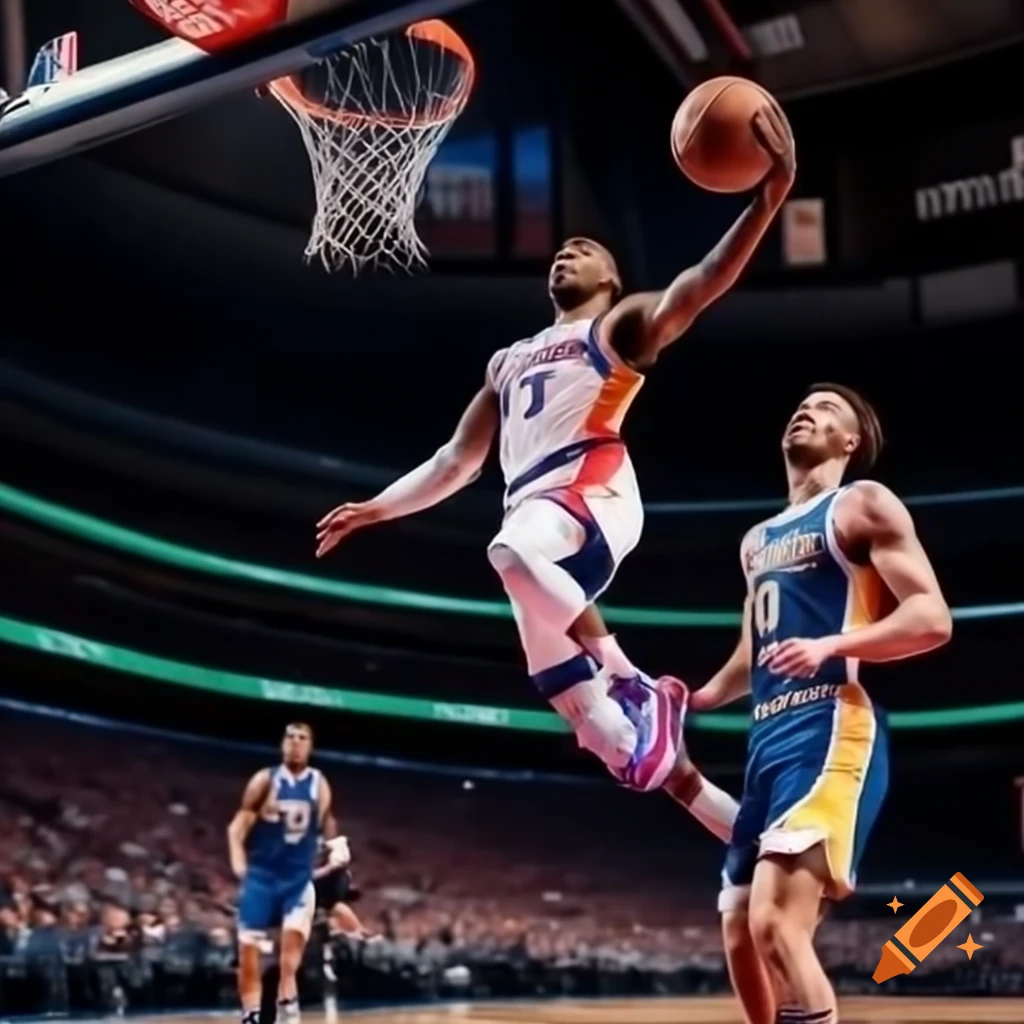
At its core, a dunk combines three physics‑driven elements: vertical leap, hand placement, and timing. The higher you can spring, the more room you have to control the ball. Hand grip determines whether you finish with one hand, two, or add a flashy reverse. And timing—meeting the rim at the right moment—ensures you don’t crash into the backboard.
Physical Foundations: Building Explosive Power
Both Jamaican and American players benefit from a blend of strength and agility, but the training emphasis can differ. In the Caribbean, many athletes rely on natural athleticism honed through sprinting and beach workouts, while U.S. programs often incorporate structured weight‑lifting cycles.
- Leg Strength: Squats, lunges, and box jumps develop the quads and glutes essential for lift. Aim for three sets of 8‑10 reps, focusing on explosive upward movement.
- Core Stability: Planks, Russian twists, and hanging leg raises improve mid‑body control, which translates to better balance mid‑air.
- Plyometrics: Depth jumps and single‑leg bounds train the stretch‑shortening cycle, the muscle’s natural spring mechanism.
Incorporate these sessions 2‑3 times a week, allowing at least 48 hours for recovery.
Technique Tweaks: From Approach to Finish
Even the most powerful legs can’t compensate for sloppy execution. Here’s a step‑by‑step rundown that works across any court.
1. The Approach
Take 2‑3 quick, controlled steps toward the basket. A slight forward lean builds momentum; the final step should be the longest, generating the push‑off force.
2. The Take‑off
Explode off the balls of your feet, driving your knees upward. Swing your arms opposite the take‑off leg to add momentum. Keep your eyes locked on the rim.
3. The Airborne Phase
As you rise, bring the ball up with both hands. For a one‑hand dunk, tuck the non‑shooting hand near your waist to conserve energy. Rotate your wrist so the palm faces the rim.
4. The Finish
Extend your dunking arm fully, slamming the ball through the hoop. Follow through with a gentle bend of the elbow to absorb impact and maintain balance for a safe landing.
Stylistic Influences: Jamaican Flair vs. American Precision
Jamaican streetball often celebrates improvisation—think reverse dunks and alley‑oop variations that surprise defenders. Meanwhile, American high‑school and college programs emphasize consistency, teaching players to perfect the basic two‑hand dunk before adding flair.
Blend the best of both worlds: start with a reliable two‑hand baseline, then experiment with style once the mechanics feel automatic.
Equipment and Environment Considerations
Playing surface matters. Outdoor courts common in Jamaica can be uneven, demanding stronger ankle stability. Indoor gyms in the U.S. provide consistent footing but may have lower rim heights for youth leagues (9‑10 feet). Adjust your approach accordingly—use more knee bend on rough surfaces, and practice depth jumps on stable floors to maximize rebound.
Progression Plan: From First Touch to Full‑Force Dunk
Set realistic milestones. Below is a simple 8‑week roadmap that works for most players.
- Weeks 1‑2: Master the basic two‑hand dunk at a lowered rim (8‑9 ft). Focus on perfecting the approach and take‑off.
- Weeks 3‑4: Increase rim height by 2‑3 inches. Introduce plyometric drills twice weekly.
- Weeks 5‑6: Add single‑hand attempts, emphasizing grip and wrist snap.
- Weeks 7‑8: Return to regulation height (10 ft). Experiment with reverse or windmill variations.
Track progress with a simple journal: note rim height, number of successful attempts, and any soreness. Adjust rest days if you notice lingering fatigue.
Safety First: Preventing Common Injuries
High‑impact moves put stress on knees, ankles, and the lower back. Warm up thoroughly—dynamic stretches, light jog, and mobility drills for hips and calves. If you feel sharp pain during a jump, stop and assess. A good rule of thumb: any lingering discomfort beyond a day of rest warrants a check‑in with a sports therapist.
FAQ
Q: How high do I need to jump to dunk a standard basketball?
A: A regulation 10‑foot rim requires most players to reach about 10‑12 inches above the rim, meaning a vertical leap of roughly 30‑36 inches, depending on standing reach.
Q: Can I improve my dunk without a gym?
A: Yes. Bodyweight exercises like jump squats, burpees, and stair runs can boost explosiveness. Consistency matters more than fancy equipment.
Q: Do Jamaican players have any unique training habits?
A: Many incorporate beach runs and sprint drills that build fast‑twitch muscle fibers, giving them a natural edge in acceleration and vertical power.
Q: How often should I practice dunking?
A: Aim for 2‑3 dedicated sessions per week, each lasting 20‑30 minutes. Overtraining can lead to fatigue and increased injury risk.